 St. Petersburg Window
 Deck Building in Historic Kenwood, St. Petersburg
Historic Kenwood is one of St. Petersburg's older residential districts, built out mostly with Craftsman-style bungalows and early-20th-century frame homes on modest, tree-lined lots. A deck in this neighborhood has to do two things at once: hold up to Pinellas County's weather and look like it belongs on the house it's attached to. That second part gets skipped more often than it should. A deck bolted onto a 1920s bungalow with the wrong rail style, the wrong board width, or a modern composite in a color that fights the house's trim ends up looking bolted on, not built in. Getting both the engineering and the fit right is what this page is about.
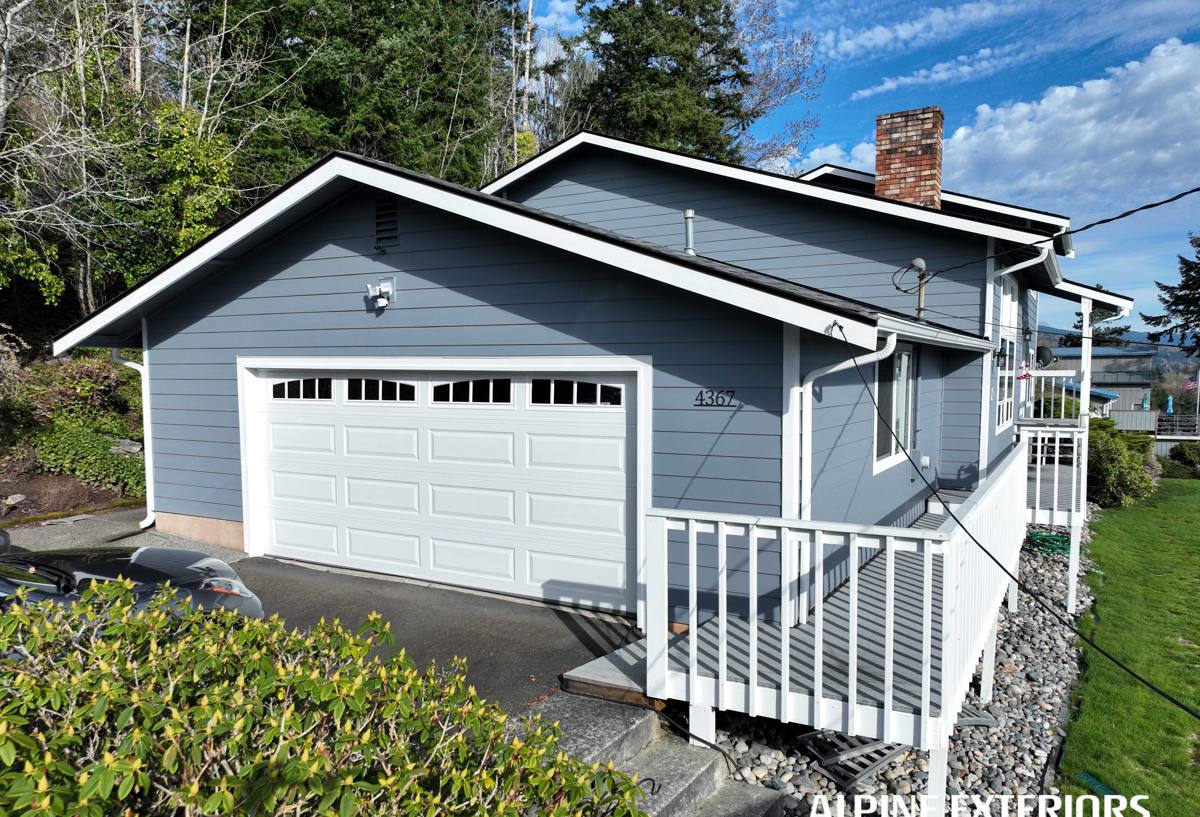
What St. Petersburg's Climate Does to a Deck
Every exterior structure in this part of Florida is fighting the same combination of stressors, and a deck — being horizontal, exposed, and load-bearing — takes the worst of it.
- Hurricane-force wind: Pinellas County sits on a peninsula with direct Gulf exposure. Deck framing, ledger attachment, and railing posts all need to be sized and fastened for uplift and lateral load, not just dead weight.
- Constant UV: Florida sun runs high-intensity nearly year-round. UV breaks down the lignin in wood fiber, fades stains within a season or two, and is the single biggest reason cheap composite decking chalks and fades faster than advertised.
- Wind-driven rain: Storms here don't fall straight down. Rain gets pushed sideways into ledger connections, under railing base plates, and into end grain — the exact spots where a deck is most likely to rot or corrode if it wasn't detailed for water shedding.
- Salt air: Even inland from the immediate coast, St. Petersburg's air carries enough salinity to accelerate corrosion in standard fasteners, brackets, and hardware over just a few years.
None of these are exotic problems — they're the baseline in this county. A deck built to a generic national spec, without accounting for all four at once, tends to show its age within five to seven years instead of twenty-plus.
Building for an Older Bungalow, Not a New-Construction Lot
Kenwood's housing stock is older than most of the neighborhoods we build decks in around Pinellas County, and that changes the job in a few practical ways before a single board goes down.
Working with an Older Structure
Attaching a deck ledger to a house built in the early-to-mid 1900s means dealing with framing that may have been altered, patched, or built to a different standard than current code assumes. We open up the attachment point, confirm what's actually behind the siding, and flash and bolt to what's really there — not what a set of plans assumes should be there. Rushing this step is the single most common cause of deck ledger failure, and it's more likely on an older home than a new one.
Matching the House's Character
Bungalow-era homes tend to have simpler, squarer lines than newer builds — straight rail pickets, modest post spacing, and trim details that don't compete with the house. A deck that leans too modern (glass rail, oversized posts, a busy multi-tone composite board) can clash with a historic-style home even when the construction itself is sound. We talk through board direction, rail style, and skirting before we talk about materials, because those decisions affect how the finished deck reads against the house.
Historic District Review
Depending on the specific property and any local historic designation overlay, exterior work visible from the street may go through an additional design review step beyond the standard county building permit. We don't guess on this — we confirm what applies to your specific address with the city before finalizing a design, so there are no surprises mid-project.
Choosing the Right Decking Material
There's no single "best" decking material — there's a best material for this climate, this budget, and this house. Here's how the common options actually compare once you factor in Gulf Coast sun, salt air, and storm exposure.
| Material | UV / Fade Behavior | Moisture & Salt Air | Maintenance | Fit with a Historic Bungalow |
|---|---|---|---|---|
| Pressure-treated pine | Fades and grays without regular finish upkeep | Needs sealed end cuts and fasteners; performs fine when detailed correctly | Refinish every 1-2 years in this sun | Traditional look, easy to match to older trim |
| Cedar / other naturally durable wood | Fades to silver-gray unless maintained | Naturally rot-resistant but not immune to standing water | Moderate — periodic cleaning and sealing | Warm, traditional appearance suits bungalow styling |
| Composite decking | Better UV stability than wood; quality varies by product line | Doesn't rot, but hardware and substructure still need corrosion protection | Low — mostly washing | Works if color/board profile is chosen to complement, not compete with, the house |
| PVC decking | Strong UV resistance | Fully moisture-immune surface; substructure hardware still needs attention | Lowest of the group | Can look too uniform/modern for some historic facades — board selection matters |
Whatever surface material you choose, the substructure — joists, hangers, and fasteners — is what actually determines the deck's lifespan in this climate. A composite deck board on corroding hardware is still a failing deck; it just fails underneath where you can't see it.
What a Correctly Built Deck Actually Involves
A deck that's going to hold up to Pinellas County storms and salt air for decades is built differently than one going up somewhere inland and dry. The details below are the ones that separate a deck that lasts from one that needs rework in a few years.
Ledger Attachment and Flashing
The ledger board — where the deck ties into the house — is the single highest-risk connection on any attached deck. It needs proper through-bolting (not just lag screws), correct flashing that sheds wind-driven rain away from the house's wall assembly, and a moisture barrier between the ledger and the siding. Done wrong, this is where water gets behind exterior walls and where decks separate from houses in high wind.
Footings Sized for Wind Uplift
Deck footings in a hurricane-exposed county need to resist uplift, not just support downward weight. That means correctly sized and embedded post footings, proper post-to-beam and beam-to-joist connectors rated for uplift, and framing hardware — not just nails or screws — at every structural connection.
Corrosion-Resistant Fasteners and Hardware
Standard galvanized hardware corrodes faster in salt air than most homeowners expect. We use fasteners and structural connectors rated for coastal/salt exposure throughout the frame, not just on the visible surface, since hidden hardware failure is what causes decks to become unsafe long before the boards look bad.
Railings and Guards Built for Wind Load
Railings need to meet load requirements as a structural component, not just as a visual boundary. Post spacing, baluster attachment, and top-rail connections all get engineered to hold up under wind load, not just body weight.
Drainage and Board Spacing
Board gapping needs to account for both wood movement and heavy rain shedding — too tight and water sits on the surface and in the framing below; too wide and it looks and feels unfinished. This gets tuned to the specific material chosen.
How We Approach a Historic Kenwood Deck Project
- On-site assessment of the existing structure, attachment point, and any historic-district considerations specific to your address
- Design conversation covering material, rail style, and how the deck should read against the house — not just square footage and layout
- Permit and, if applicable, historic review coordination handled before construction starts
- Framing built to current wind-load and coastal-hardware standards, regardless of the home's original construction era
- Ledger flashing and attachment detailed for wind-driven rain, not just a standard bolt pattern
- Final walkthrough covering how to maintain the specific material you chose in this climate
Maintenance That Actually Matters in This Climate
Every deck material needs some upkeep here — the differences are in how much and how often. Wood surfaces need re-sealing on a regular cycle to survive the UV load; composite and PVC surfaces need less surface attention but benefit from periodic washing to keep salt residue and organic buildup from accumulating in board grooves. Across every material, the most overlooked maintenance item is the hardware and structural connections underneath the deck — those should get a visual check at least once a year, especially after named storms, since that's where corrosion and loosened fasteners show up first.
Why It Matters That We Already Work in This Neighborhood
A crew that's worked in Historic Kenwood before already knows what a typical ledger attachment looks like on a home of this era, understands whether your specific block falls under additional design review, and has a working relationship with the permitting process for this kind of property. That familiarity shows up as fewer surprises mid-project — not a faster job by cutting steps, but a smoother one because the unknowns have mostly already been mapped out. For a homeowner, that means a more accurate quote up front and a deck that fits the house instead of fighting it.
If you're planning a new deck or replacing an aging one in Historic Kenwood, we're glad to take a look and talk through what your specific home and lot need. Reach out for a free, no-pressure estimate using the form below.