 St. Petersburg Window
 Gulfport's Climate Is Hard on Roofs
Gulfport sits right on the water on the west side of St. Petersburg, and that location cuts both ways. It's part of what makes the area worth living in, but it's also exactly the kind of exposure that ages a roof faster than it would inland. Homes here deal with hurricane-force wind gusts during storm season, wind-driven rain that finds every weak seam and nail hole, salt-laden air that corrodes metal fasteners and flashing over time, and some of the most intense, year-round UV exposure in the country baking shingles and membranes day after day. None of these forces act alone — a roof that's already brittle from UV exposure fails faster in high wind, and a roof with compromised flashing lets wind-driven rain in long before you'd notice a leak from the outside.
A roof built for a mild inland climate simply isn't built for Gulfport. Materials, fastening patterns, underlayment choices, and flashing details all need to account for what this specific stretch of Pinellas County throws at a house year after year. That's the lens we bring to every new roof installation in this neighborhood.
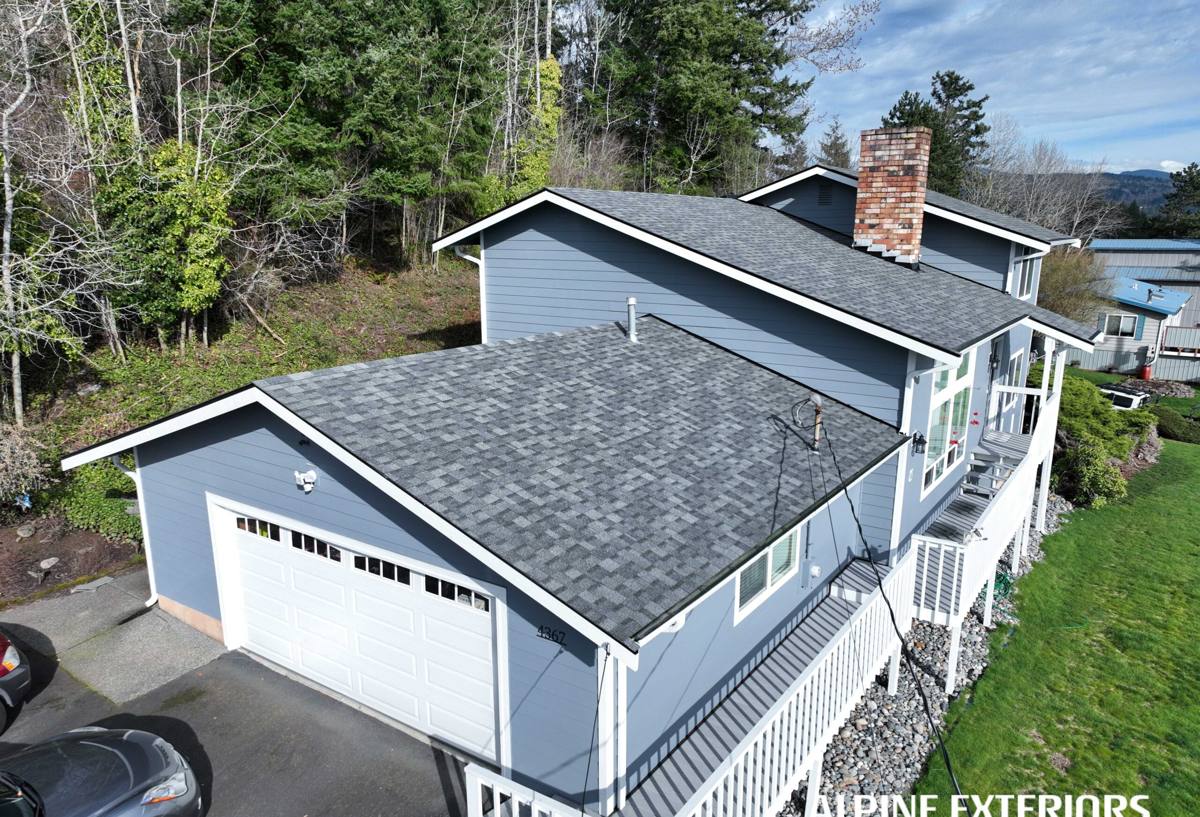
Signs Your Gulfport Home May Need a New Roof
Roofs rarely fail all at once — they give warning signs for months or years before a leak shows up inside the house. If you're seeing any of the following, it's worth getting a professional inspection rather than waiting:
- Shingles that are curling, cupping, or missing granules (check your gutters for a buildup of loose granules after rain)
- Cracked, lifted, or missing shingles or tiles after a windstorm
- Visible sagging anywhere along the roofline or decking
- Daylight visible through the roof boards when you look up from the attic
- Water stains on interior ceilings or in the attic, even faint ones
- Rusted, lifted, or missing flashing around chimneys, skylights, or roof-wall intersections
- A roof that's 20+ years old (for shingles) and has never been fully replaced
- Higher-than-normal cooling bills, which can point to failing attic ventilation or insulation under a worn roof
Any one of these on its own might not mean full replacement — but on an older roof in a coastal zip code, they tend to show up together, and that's usually the point where patching stops making financial sense.
What a Correct New Roof Installation Actually Involves
A new roof is only as good as the layers nobody sees once it's finished. Shingle or tile color gets all the attention, but the work underneath is what determines whether the roof holds up through the next decade of Gulf storms.
Tear-Off and Deck Inspection
We remove the old roofing material down to the deck rather than layering new shingles over old ones. That lets us actually see the plywood or OSB decking underneath, which is the structural surface everything else attaches to. Any decking that's soft, delaminated, or water-damaged gets replaced before anything new goes down — installing a new roof over a compromised deck just guarantees a shorter lifespan and voids most manufacturer warranties.
The Underlayment ("Dry-In") Layer
Once the deck is sound, it gets covered with a water-resistant underlayment before any shingles or tiles go on. In a wind-driven-rain environment like this one, the underlayment is your real backup defense — it's what keeps a home dry even if wind ever forces water up under the primary roofing material. We use synthetic or self-adhering underlayment products rated for high-wind coastal use rather than the thinnest code-minimum option.
Flashing, Vents, and Penetrations
Every place the roof isn't a flat, uninterrupted plane — chimneys, skylights, plumbing vents, roof-to-wall transitions, valleys — is a potential entry point for water. Correctly formed and sealed flashing at each of these spots matters more to long-term leak prevention than the shingle brand does. Salt air accelerates corrosion on cheap or improperly sealed metal flashing, so material choice here isn't cosmetic.
Ventilation
A roof deck that can't breathe traps heat and moisture, which shortens shingle life from underneath and can lead to deck rot you won't see until it's serious. Proper intake and exhaust ventilation is part of a correct installation, not an upsell — it protects the investment you just made.
Choosing a Roofing Material for a Gulf-Coast Home
There's no single "right" material for every Gulfport home — it depends on your roof's shape, your budget, and how long you plan to stay in the house. Here's an honest comparison of the main options we install:
| Material | Typical Lifespan | Wind Performance | Relative Cost | Best For |
|---|---|---|---|---|
| Architectural asphalt shingles | 20–30 years | Good, with high-wind-rated products and proper nailing | $ | Most homes; best balance of cost and durability |
| Standing-seam metal | 40–50+ years | Excellent when properly fastened | $$$ | Homeowners planning to stay long-term or wanting minimal future maintenance |
| Concrete or clay tile | 40–50+ years | Very good, but individual tiles can crack from impact | $$$ | Homes built to carry the extra roof weight; Mediterranean/coastal architectural styles |
| 3-tab asphalt shingles | 15–20 years | Lower wind resistance than architectural shingles | Lowest | Budget-limited projects; we're upfront that this isn't our first recommendation on exposed coastal roofs |
We don't push tile or metal on every job — a well-installed architectural shingle roof with the right underlayment and flashing performs well here and is the right call for most budgets. Where we steer people away from a product, it's a maintenance or moisture-behavior tradeoff we'll walk through honestly, not a knock on the material itself.
What Drives the Cost of a New Roof
Roofing quotes vary widely because several independent factors stack together. Understanding them makes it easier to compare estimates apples-to-apples:
| Factor | How It Affects Your Project |
|---|---|
| Roof size and pitch | Larger and steeper roofs take more material and more labor time, plus added safety measures on steep sections |
| Number of existing layers | Tear-off and disposal cost more when there are multiple layers of old roofing to remove |
| Decking condition | Rotted or delaminated decking sections found during tear-off need replacement, which isn't always visible until the old roof is off |
| Material selected | Asphalt shingles, metal, and tile carry very different material and labor costs |
| Roof complexity | Valleys, dormers, chimneys, and multiple roof planes all add flashing detail work and time |
| Permit and code requirements | Local permitting and current wind-rating requirements may call for upgraded fasteners, underlayment, or ventilation not present on the old roof |
Permits and Wind Ratings in Pinellas County
New roof installations in Gulfport and the rest of Pinellas County require a permit and inspection through the local building department — this isn't optional paperwork, it's what confirms the work meets current Florida Building Code wind provisions for our area. Pinellas County is not in Florida's High-Velocity Hurricane Zone (that designation applies specifically to Miami-Dade and Broward counties), but the standard statewide code still requires wind-rated materials and installation methods appropriate to our coastal wind-speed maps. We pull the permit, schedule the required inspections, and handle the paperwork so you're not left chasing it down.
A properly permitted, code-compliant roof also matters for insurance. Many carriers offer wind mitigation credits for roofs installed to current standards with documented fastening and material specs — something worth discussing with your insurance agent once the new roof is in and inspected.
Our New Roof Installation Process
- On-site inspection and estimate — we look at the current roof, attic, and decking access points and give you a written estimate with material options.
- Material selection — we walk through the tradeoffs in the table above based on your budget and how long you plan to own the home.
- Permitting — we file for the required permit with the local building department before work starts.
- Scheduling and material delivery — materials are staged for delivery close to the start date so they're not sitting exposed to weather on-site any longer than necessary.
- Tear-off and deck inspection — old roofing comes off, the deck is inspected, and any damaged sections are flagged and replaced.
- Dry-in — underlayment goes down the same day the deck is exposed whenever possible, so the house isn't left vulnerable to a sudden afternoon storm.
- Installation — new shingles, tile, or metal panels go on along with flashing, vents, and edge metal, following the fastening pattern required for our wind zone.
- Final inspection — the completed roof is reviewed against the permit requirements, with the local inspection scheduled as required.
- Cleanup — job site debris, old material, and a magnetic sweep for stray nails in the yard and driveway before we consider the job done.
Why It Matters to Hire a Crew That Already Works in Gulfport
A lot of roofing crews will drive to Gulfport for a job, but there's a real difference between that and a crew that already works this specific area regularly. We know how Pinellas County's permitting process runs day-to-day, not just what the code says on paper. We're familiar with the mix of housing stock here — a lot of Gulfport homes are older, with roof framing and decking that doesn't always match what you'd expect on a newer build, which affects both the estimate and the plan for the tear-off day. And because we're local, a callback for a warranty question or a post-storm check isn't a multi-hour drive for either of us — it's a normal part of how we operate in this community.
That local familiarity also shows up in smaller, practical ways: knowing which streets have tight access for material delivery trucks, coordinating with neighbors when a driveway needs to stay clear, and understanding how the salt air and storm exposure specific to this side of the peninsula tend to affect roofs differently than homes even a few miles inland.
Caring for Your New Roof After Installation
A correctly installed roof still benefits from basic upkeep. A few habits extend its life meaningfully in this climate:
- Keep gutters and downspouts clear so water isn't backing up under the roof edge
- Trim back tree limbs that overhang the roof, which reduce debris buildup and storm-impact risk
- Have the roof looked at after any major named storm, even if you don't see obvious damage from the ground
- Watch for granule buildup in gutters over time, which can signal accelerated shingle wear
- Avoid pressure washing shingles directly — it can strip granules and shorten their life
- Keep attic ventilation paths (soffit vents, ridge vents) free of insulation blocking airflow
- Schedule a roof check-up every few years even without visible problems, especially as the roof approaches the back half of its expected lifespan
If you're weighing repair versus full replacement, or just want a straight answer on what your Gulfport roof needs, we're glad to take a look and give you a written, no-pressure estimate. Fill out the form below and we'll schedule a time to come by.