 St. Petersburg Window
 Why Board & Batten Needs to Be Built Differently on the Gulf Coast
Board and batten has a long history in Florida coastal and cottage-style neighborhoods, and it's easy to see why it fits a community like Gulfport — the vertical lines and clean shadow reveals suit bungalows, cottages, and older Florida-style homes without looking overdone. But the look is only half the job. A wall system installed a few blocks from Boca Ciega Bay has to survive conditions that inland siding never sees: sustained salt-laden humidity, direct tropical sun almost every day of the year, and the wind-driven rain that comes with tropical storms and hurricanes moving through Pinellas County. Board and batten has more vertical seams and more fastening points than a standard lap profile, which means the margin for error in materials and installation is smaller, not larger.
We install board and batten siding specifically for Gulfport and the surrounding St. Petersburg peninsula on a regular basis, which means we're not guessing at how a wall assembly here behaves over time — we're accounting for it up front, in the materials we choose and how we detail the water management behind the boards.
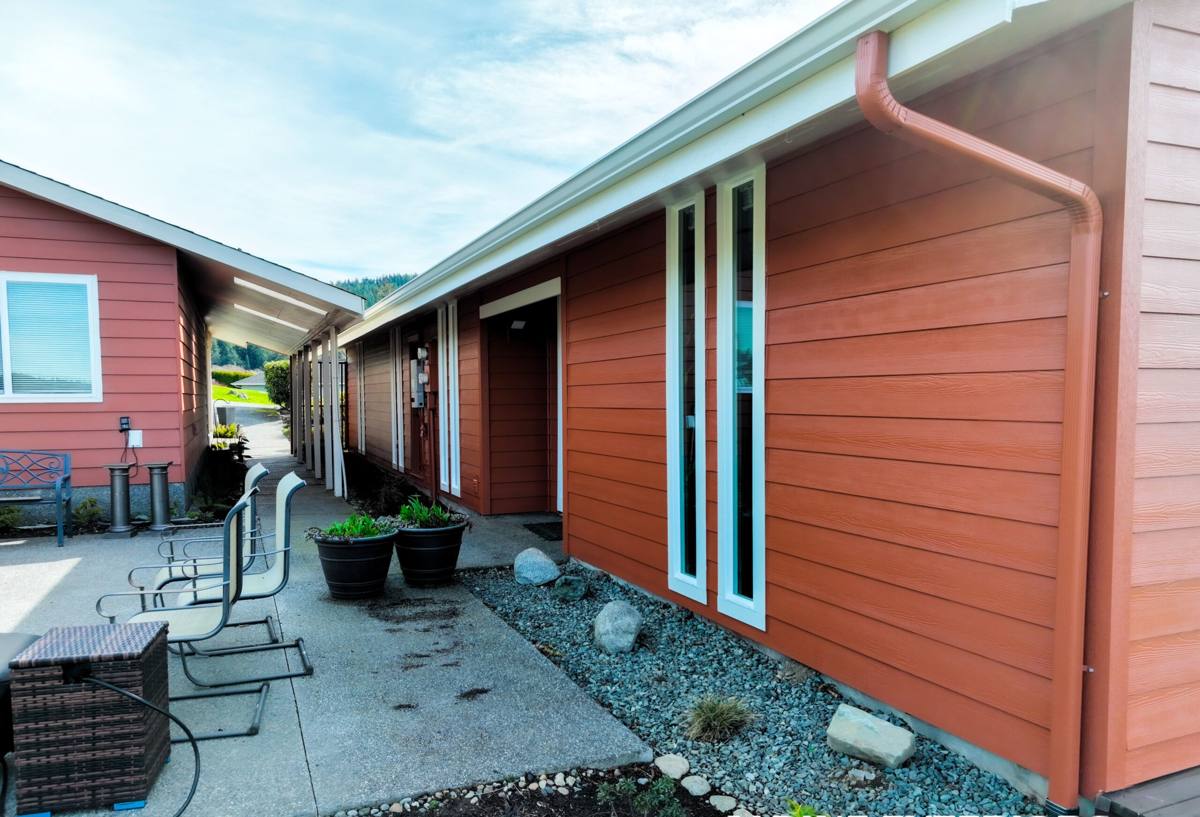
What Correct Board & Batten Installation Actually Involves
Board and batten looks simple from the street: wide vertical boards with narrower strips covering the seams. What holds that look together for twenty-plus years — instead of five — happens in the layers a homeowner never sees.
Fastening and batten spacing
Every board needs to be fastened into solid framing at the spacing and pattern the manufacturer specifies for the local wind zone, not a generic pattern used everywhere. Batten spacing has to be consistent and tied to actual stud layout, not just eyeballed for symmetry. Get this wrong and you get boards that work loose, rattle in storm winds, or pull away at the edges over time.
The water-management layer no one sees
Behind every board and batten wall should be a properly lapped weather-resistive barrier, correctly flashed openings, and a drainage plane that lets any moisture that gets behind the siding find its way back out instead of sitting against the wall sheathing. In a climate with this much humidity and wind-driven rain, a wall that traps moisture instead of shedding it is a slow-motion problem — one that usually doesn't show itself until there's rot or mold damage behind the siding, well after the installer is gone.
Why We Install James Hardie Board & Batten — and Not Vinyl or Wood
Board and batten is available in several materials, and each one changes how the wall performs here. We made the decision to install James Hardie fiber cement exclusively, and for this style in particular, the reasoning holds up:
- Vinyl board and batten panels are lightweight and inexpensive up front, but in direct Florida sun they expand, contract, and fade faster than most homeowners expect, and the panels can warp or bow along the long vertical runs that this style requires.
- Real wood board and batten (cedar or primed spruce) has genuine character, but it's the most maintenance-intensive option in a salt-air, high-humidity environment — recurring caulking, repainting, and vigilance against moisture intrusion at every seam.
- James Hardie fiber cement is non-combustible, dimensionally stable in heat and humidity, and available in the HardieZone HZ5 formulation engineered for humid climates like ours. Finished in factory-applied ColorPlus coating, it resists the fading and cracking that UV and salt exposure cause in other materials, and it's backed by a transferable manufacturer warranty.
We're not going to tell you vinyl or wood board and batten can't be installed well — they can, by the right crew, and each has legitimate upsides in cost or authenticity. But we build for how long a Gulfport wall has to hold up, and that's the standard we chose to install to.
Board & Batten Material Comparison
| Material | Gulf Coast Climate Performance | Maintenance | Typical Longevity |
|---|---|---|---|
| Vinyl board & batten panels | Can warp or fade under sustained UV; seams are vulnerable in high wind | Low, but panels aren't repairable — sections get replaced | 15–25 years, often shorter in full-sun exposures |
| Wood (cedar / primed spruce) | Authentic look; highly sensitive to humidity and salt air moisture | High — recurring paint, caulk, and rot inspection | 10–20 years depending on upkeep |
| James Hardie fiber cement | Engineered (HZ5) for humid, coastal climates; non-combustible | Low — occasional wash, no repainting with ColorPlus finish | 30+ years with correct installation |
Our Process for a Gulfport Board & Batten Project
On-site assessment
We walk the home, check the condition of the existing siding and the wall sheathing underneath where accessible, and talk through how much of the elevation is getting board and batten — a full wall, a gable accent, or a porch feature. Gulfport has a mix of small cottages, bungalows, and larger renovated homes, so scope varies a lot from one project to the next.
Tear-off and substrate prep
Old siding comes off and we inspect the sheathing for moisture damage before anything new goes up. This is the step that catches problems early — it's far cheaper to address rot or a failed weather barrier now than to bury it under new siding and deal with it in five years.
Installation
Weather-resistive barrier, flashing at every window, door, and penetration, then the vertical boards and battens fastened to the manufacturer's specified pattern for our wind exposure. Every seam, corner, and transition gets detailed, not just the parts that show.
Final details and cleanup
Caulking at required joints, touch-up on any field cuts, and a full site cleanup. We walk the finished job with the homeowner before calling it done.
Climate Stress Points Specific to This Area
A few conditions come up repeatedly on Gulfport-area board and batten projects, and they're worth homeowners understanding:
- Salt air corrosion on fasteners and trim accessories — we use fastening hardware rated for coastal exposure, not standard-grade fasteners that corrode and stain the siding face over time.
- Wind-driven rain pushed sideways during storms, which finds any gap in flashing or caulking that a calm-weather installation might get away with.
- Year-round UV that fades unprotected wood and stresses vinyl far faster than a few Florida summers would suggest to someone used to a milder climate.
- Humidity-driven moisture behind the siding if the drainage plane isn't done correctly — the single most common cause of hidden rot we find when removing old siding in this area.
Maintenance Once It's Installed
Correctly installed Hardie board and batten is low-maintenance, not no-maintenance. A periodic rinse to clear salt residue and airborne grime, an annual look at caulked joints (especially around windows and where boards meet trim), and prompt attention if a joint ever looks compromised will keep the wall performing the way it's designed to. Because the ColorPlus finish is factory-applied and baked on, homeowners generally aren't repainting the field of the wall the way they would with wood board and batten — that's one of the bigger practical differences over a ten-year ownership horizon.
What Affects the Cost
Board and batten pricing varies project to project. The factors that move the number most are:
- How much of the home is getting board and batten — a full elevation costs more than an accent gable or porch feature
- Condition of the substrate once old siding comes off, including any rot repair needed
- Wall height and accessibility, including second-story gables and steep rooflines
- Amount of trim, corner, and transition detail work involved
- ColorPlus factory finish versus primed boards for field paint
- Local permitting requirements for the scope of work
We give homeowners a written, itemized estimate after seeing the actual home — we don't quote board and batten off a square-footage guess over the phone.
Why Hire a Crew That Already Works in Gulfport
Installation quality on board and batten comes down to details most homeowners can't inspect themselves once the wall is closed up — fastening pattern, flashing sequence, drainage plane continuity. A crew that regularly works this part of St. Petersburg already knows what Gulfport's older housing stock tends to hide behind its siding, has a working sense of local permitting expectations, and isn't learning coastal wind and moisture detailing for the first time on your home. That familiarity shows up in fewer surprises during tear-off and a wall assembly built for the conditions it actually has to survive, not a generic install.
If you're considering board and batten siding for a home in Gulfport, we're glad to take a look and walk the property with you. There's no pressure and no obligation — just a straightforward look at your home and an honest estimate using James Hardie fiber cement, submitted through the form below.