 St. Petersburg Window
 Why Euclid-St. Paul Roofs Take a Different Kind of Beating
Homes in the Euclid-St. Paul area of St. Petersburg deal with a combination of stresses that roofs in drier, calmer climates never see. Pinellas County sits close enough to the Gulf that salt-laden air is a constant, low-grade corrosive force on metal flashing, fasteners, and vents. Layer on the intense, nearly year-round Florida UV exposure that breaks down asphalt shingle oils and cooks sealants brittle, then add the wind-driven rain and occasional hurricane-force gusts that come through every storm season, and you get a roof that ages faster and fails in more specific ways than a generic "storm damage" checklist assumes.
That's the reason a local, neighborhood-specific approach matters more than it might seem. A roof repair crew that mainly works inland, low-wind markets will often miss the early signs of salt corrosion on fasteners or underestimate how much wind-driven rain can travel sideways under a marginal shingle seal. Working Euclid-St. Paul regularly means knowing what these particular homes are up against, storm after storm.
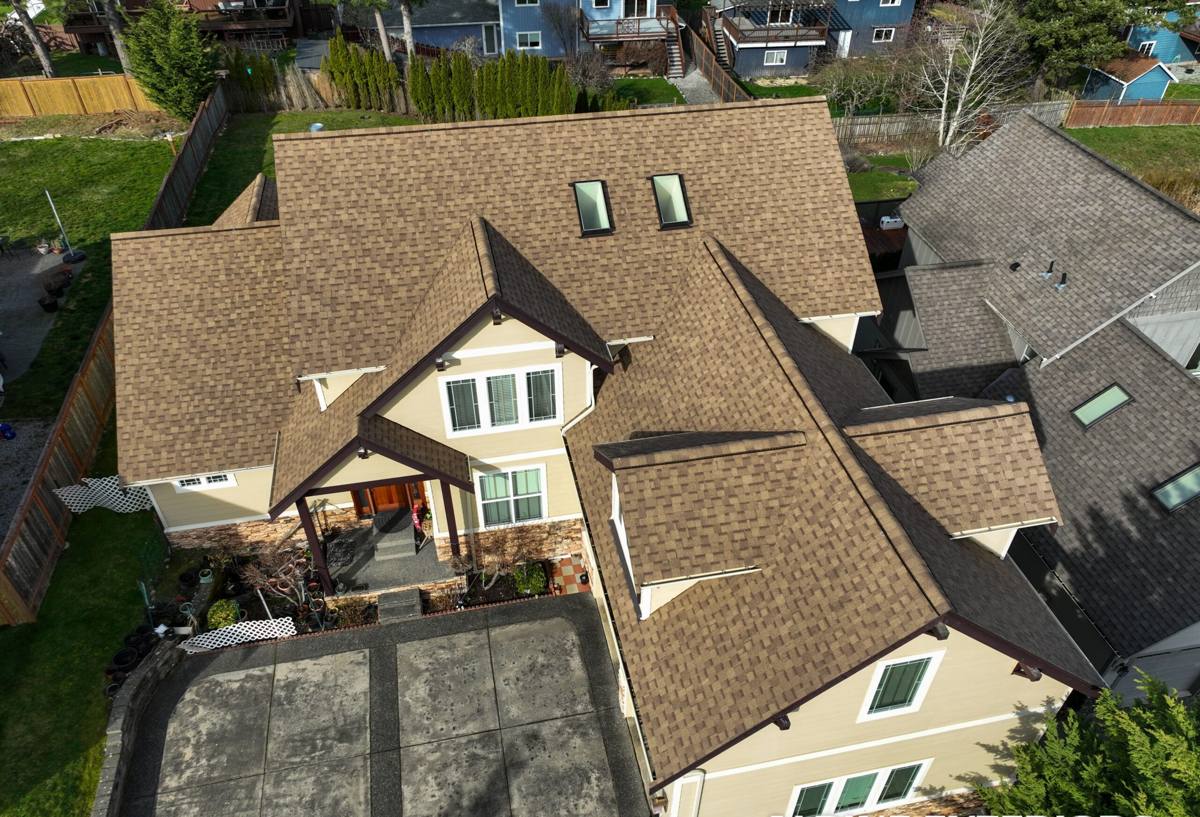
What Counts as Storm Damage (and What Doesn't)
One of the most common points of confusion after a bad storm is figuring out whether what you're looking at is actual storm damage or just ordinary wear that a storm happened to expose. This distinction matters for insurance, for repair scope, and for cost. Storm damage typically includes:
- Shingles torn, creased, or lifted by direct wind force, often in a pattern that follows the wind direction
- Impact damage from wind-blown debris — branches, roofing granules knocked loose, dents in metal components
- Flashing pulled away from chimneys, walls, or roof-to-wall transitions during high gusts
- Water intrusion where wind-driven rain was forced under shingles or through a compromised seal
- Sudden leaks appearing during or immediately after a named storm or severe thunderstorm event
What usually does not qualify as storm damage, even though it may become visible after a storm, includes granule loss from simple age, nail pops from thermal cycling, and slow leaks from underlayment that was already failing. An honest inspection separates these two categories clearly, because claiming ordinary wear as storm damage is the fastest way to have an insurance claim denied.
The Inspection: What We Actually Look For
A proper post-storm inspection isn't a quick walk-around from the driveway. It starts on the roof itself, weather and safety permitting, and includes the attic, where a lot of storm damage first shows up as staining, damp insulation, or daylight coming through a nail hole that wasn't there before.
On the roof surface
We check for lifted or missing shingle tabs, cracked ridge caps, exposed nail heads, granule loss concentrated in one area (a sign of impact rather than age), and any place where the roof plane meets a wall, skylight, or vent — these transitions are where wind-driven rain finds its way in first.
Flashing and penetrations
Pipe boots, chimney flashing, and wall step-flashing take the brunt of repeated expansion and contraction from Florida's heat and humidity swings. Salt air accelerates corrosion on the metal and fasteners here faster than almost anywhere else on the roof, so these are priority-check points on every Euclid-St. Paul inspection.
Attic and interior
A flashlight check of the attic decking, rafters, and insulation tells us things the exterior can't. Fresh water staining, a musty smell, or wet insulation after a storm usually means the exterior damage found its way through, even if the shingles above look mostly intact from the ground.
Repair vs. Replacement: How We Decide
Not every storm-damaged roof needs a full tear-off, and not every roof can be safely patched. The decision comes down to a few honest factors rather than a sales pitch either way.
| Factor | Leans Toward Repair | Leans Toward Replacement |
|---|---|---|
| Extent of damage | Localized to one section or slope | Spread across multiple slopes or the whole roof |
| Roof age | Under roughly 10-12 years, still within useful life | Near or past the shingle's expected service life |
| Underlying decking | Dry, solid, no rot found | Soft spots, rot, or repeated past leaks in the same area |
| Shingle availability | Matching shingles still available or close enough | Discontinued product, mismatched patch would be visible |
| Insurance scope | Adjuster approves a repair-level scope | Adjuster approves full replacement based on damage extent |
We'll walk you through where your roof falls on each of these before recommending either path — a repair that's cheaper today but leaves a weak roof going into the next storm season isn't a favor to you.
Our Repair Process, Step by Step
Once we've agreed on scope, the actual repair work follows a consistent order:
- Tarping and stabilization — if there's an active leak or exposed decking, we get it covered and weather-tight the same visit whenever possible, before any long-term repair begins.
- Removing damaged material — compromised shingles, felt or synthetic underlayment, and any affected flashing are stripped back to sound decking.
- Decking check and repair — any wet or soft plywood is replaced. Roofing over rotten decking is a shortcut that fails, and we won't do it.
- Underlayment and flashing — new underlayment is installed with attention to the transitions (walls, chimneys, valleys) that caused the original leak, and flashing is replaced rather than resealed where it's already corroded or bent.
- Shingle installation — matched as closely as possible to existing roofing, with fastening patterns and sealant appropriate for Gulf Coast wind exposure.
- Cleanup and final check — debris and old materials are cleared, and we do a final walk of the repair area plus a look at the attic if the leak reached that far.
Materials Suited to This Climate
| Component | Standard Approach | Why It Holds Up Here |
|---|---|---|
| Underlayment | Synthetic over traditional felt | Better resistance to the humidity and UV exposure of a Florida attic and roof deck before shingles go down |
| Fasteners | Corrosion-resistant coated nails | Salt air degrades untreated metal fasteners faster near the coast |
| Flashing | New formed flashing rather than caulk-over-old | Sealant alone breaks down under UV and thermal cycling; metal flashing is the actual water barrier |
| Shingle rating | Higher wind-rated architectural shingles where roof design allows | Matches the wind exposure this area sees during tropical systems and severe thunderstorms |
Working With Your Insurance Claim
Storm damage repair often runs alongside an insurance claim, and the paperwork matters as much as the repair itself. We document damage with photos and a written scope before any work starts, which gives you and your adjuster the same starting point. If our assessment of what's storm-related differs from the adjuster's, we'll explain our reasoning in plain terms rather than just insisting we're right — but we also won't inflate a scope to chase a bigger check. Our job is to fix the roof correctly and give you paperwork that holds up, not to maximize a claim.
On cost: a small, localized repair — a section of flashing, a handful of shingles, a resealed penetration — often runs a few hundred to low thousands of dollars. A larger repair involving multiple slopes, deck replacement, or extensive flashing work climbs from there, and a full replacement is a separate conversation with its own range depending on size, material, and roof complexity. We'll give you real numbers for your specific roof rather than a generic figure that doesn't mean much either way.
Why Local Experience in Euclid-St. Paul Matters
Roofing crews that work this part of St. Petersburg regularly build a working knowledge of the area's housing stock — the mix of roof ages, common past repair shortcuts, and how mature tree canopy in established neighborhoods tends to interact with wind and debris during storms. That familiarity shows up in small but real ways: knowing to check a particular flashing detail common on homes of a certain era, recognizing when a "recent repair" from a prior storm was done as a quick patch rather than a proper fix, and understanding how Pinellas County's permitting and inspection process works for roof repairs so there's no surprise delay.
It also means we're not disappearing after a big storm event the way traveling storm-chasing crews sometimes do. If a repair needs a follow-up visit, or a new leak shows up somewhere else after the next heavy rain, we're still local and still reachable.
Keeping a Repaired Roof Ahead of the Next Storm
A good repair buys you time, but a little upkeep afterward buys you more. After any storm repair, we recommend homeowners keep an eye on the following between storm seasons:
- Clear gutters and downspouts so wind-driven rain has somewhere to go instead of backing up under the roof edge
- Trim back tree limbs that overhang the roofline before they become storm debris themselves
- Do a visual check after any severe weather event, even if nothing looks obviously wrong from the ground
- Watch for ceiling stains or a musty attic smell, both early signs of a slow leak rather than a dramatic one
- Have flashing and sealant points rechecked every couple of years, since UV and salt air break these down faster than the shingles themselves
- Keep any repair paperwork and photos on file — they make a future insurance claim, if needed, much simpler
Get an Honest Look at Your Roof
If a recent storm has left you with a leak, missing shingles, or just a nagging feeling that something on the roof isn't right, it's worth getting a straight answer before the next system rolls through. We offer a free, no-pressure estimate for Euclid-St. Paul homeowners — we'll tell you plainly whether you're looking at a simple repair, a larger fix, or something that can wait, and give you real numbers either way. Fill out the form below to get started.