 St. Petersburg Window
 Energy-Efficient Windows Built for Disston Heights Homes
Disston Heights is one of St. Petersburg's older, established residential neighborhoods, and that history shows up in the windows. A lot of homes here still have original single-pane aluminum-frame windows from decades past, or a first round of replacement windows installed before energy codes and impact standards caught up to Florida's climate reality. If your windows are original to the house, or even if they're a prior "upgrade" that's now 20-plus years old, there's a good chance they're working against your energy bills and your comfort every single day.
This page covers exactly one thing done right: energy-efficient window replacement for homes in this part of St. Petersburg, Pinellas County. Not a general overview of window types, not a sales pitch — just what your home actually needs, what a correct installation involves, and why it matters that the crew doing the work already knows this neighborhood's housing stock.
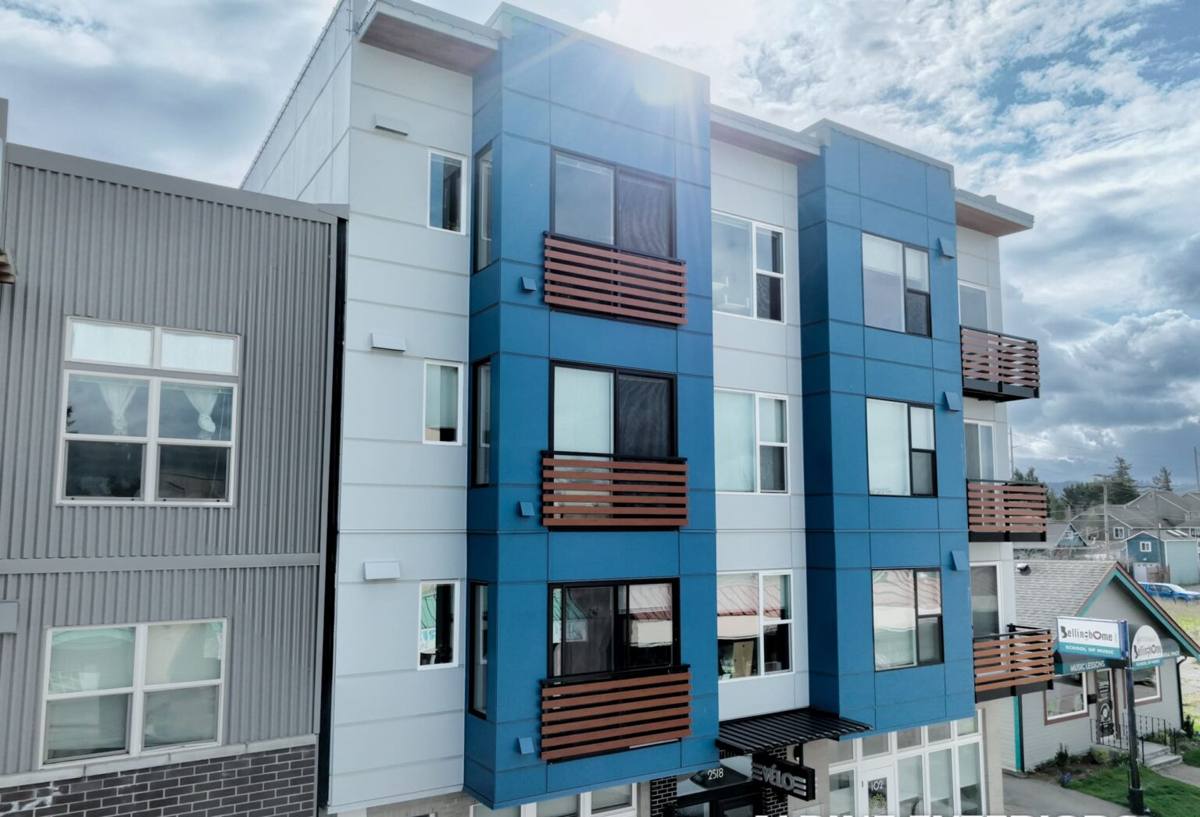
What Pinellas County Weather Does to Windows
St. Petersburg sits in a peninsula climate that is genuinely hard on building materials, and windows take more of that abuse than almost any other component of a house.
- Hurricane-force winds stress frames, seals, and glazing compound in ways inland climates never test. Even windows that survive don't always survive well — repeated flexing loosens seals over years.
- Intense, near year-round UV exposure breaks down vinyl frames, degrades weatherstripping rubber, and fades interior floors and furniture faster when glass isn't coated to block it.
- Wind-driven rain doesn't fall straight down here — it gets pushed sideways into every gap in a frame or flashing detail, which is why so many older window failures show up as water stains on interior walls rather than obvious leaks.
- Salt air, even at a few miles from the water, slowly corrodes metal hardware, fasteners, and aluminum frames that aren't rated for coastal exposure.
None of this is unique to Disston Heights, but it's exactly why "just replace the glass" or a bargain-grade window bought for a quick flip doesn't hold up here. The neighborhood's mix of older single-pane originals and aging first-generation replacements means most homes are due for windows built to current energy and wind standards, not the standards of 30 or 40 years ago.
Why Energy Efficiency Is a Bigger Deal Here Than It Sounds
Energy-efficient windows aren't just about a lower electric bill, though that's real. In St. Petersburg's climate, the bigger issue is how hard your HVAC system has to work to fight heat gain through old glass, and how often it cycles because of drafts around a warped or poorly sealed frame. A single-pane or old double-pane window with failed seals lets in radiant heat all day, every day, for most of the year. Your air conditioner ends up compensating for the window, not the other way around.
Correctly specified energy-efficient windows address this with a combination of factors working together, not any one magic feature:
The Factors That Actually Matter
| Factor | Why It Matters in This Climate |
|---|---|
| Low-E glass coating | Reflects radiant heat and UV before it enters the home, cutting cooling load and fading |
| Insulated (dual-pane) glazing with argon or similar fill | Reduces heat transfer through the glass itself, not just the frame |
| Frame material and reinforcement | Vinyl and reinforced composite frames resist warping from heat and salt corrosion better than uncoated aluminum |
| Impact-rated glazing and frame design | Holds up to wind-borne debris and pressure changes during storm events, and reduces UV/noise transfer year-round |
| Installation quality — flashing, sealant, fastening | Determines whether wind-driven rain actually stays out, regardless of how good the window itself is |
That last row is the one homeowners underestimate most. A well-built window installed poorly will leak and underperform. A modest window installed correctly, with proper flashing and sealant details, will often outperform it.
What a Correct Installation Actually Involves
Replacing a window looks simple from the outside — old one out, new one in — but the parts that determine whether it lasts are mostly invisible once the job is done.
Our Process
- On-site assessment. We check existing frame condition, wall structure, and look for any prior water intrusion or wood rot before quoting anything, since those issues need to be addressed first, not covered up.
- Accurate measurement and product selection. Every opening gets measured individually — homes in this area were often built with slightly inconsistent openings, and assuming they're all identical is how gaps and callbacks happen.
- Removal without damaging the opening. Old frames come out carefully so the rough opening stays square and intact for the new unit.
- Flashing and moisture barrier detailing. This is the step that actually keeps wind-driven rain out over the long run — done correctly, water is directed away from the wall assembly, not just sealed with caulk and hoped for.
- Setting, shimming, and fastening to manufacturer and wind-load specification. Fasteners, spacing, and anchoring all follow the product's tested requirements, not a generalized shortcut.
- Sealing, insulation, and interior/exterior finish work. Gaps get properly insulated, not just caulked over, so you're not paying for conditioned air to leak out around a brand-new window.
- Final inspection and cleanup. We check operation, seal integrity, and site cleanup before calling the job done.
Signs Your Windows Are Costing You More Than They Should
- Rooms near windows feel noticeably hotter than the rest of the house in the afternoon
- Visible condensation or fogging between panes (a sign the seal has already failed)
- Frames that are difficult to open, close, or lock properly
- Drafts you can feel with a hand near the frame on a windy day
- Fading carpet, floors, or furniture near south- or west-facing windows
- Noticeable outside noise coming through that didn't used to
- Chalky, pitted, or corroded aluminum frames
- A/C running longer cycles than it used to without any other explanation
If two or three of these sound familiar, it's worth getting an honest assessment rather than waiting for a full failure.
Full Replacement vs. Partial Repair
Not every window needs full replacement, and we won't tell you it does. But there's a real cost-benefit tradeoff homeowners in Disston Heights should understand before deciding.
| Situation | Reasonable Approach |
|---|---|
| Single window with failed seal, frame otherwise sound | Glass unit replacement may be sufficient |
| Original single-pane aluminum throughout the house | Full replacement is usually the better long-term value — piecemeal fixes on old aluminum frames rarely pay off |
| Frame shows corrosion, warping, or rot at the sill | Full replacement, since the frame itself is compromised |
| Whole-house consistency and resale value matter to you | Full replacement in matching product line |
| Budget requires phasing the project | Prioritize west/south-facing exposures and any window with visible failure first |
Why a Local St. Petersburg Crew Matters for This Job
Window replacement quality depends heavily on details that are specific to place: how a given neighborhood's homes were framed, what permitting and wind-load requirements apply in Pinellas County, and how the local climate actually behaves through a full year of seasons, not just a sales brochure's generic claims. A crew that regularly works in and around St. Petersburg understands the older construction common in neighborhoods like Disston Heights, knows what inspectors here are looking for, and isn't guessing at flashing details for the first time on your house.
There's also a simple accountability argument. A local company has a reputation in the community to protect and is easy to reach if something needs a follow-up visit. That matters more with windows than with almost any other exterior product, because problems — a seal that fails, a flashing detail that wasn't quite right — often don't show up until the first serious storm tests it.
What to Expect From an Estimate
A proper estimate isn't a quick guess from the driveway. It should include a walk-through of each window being considered, a clear explanation of product options and why one might suit your home better than another, and pricing that accounts for the actual condition of your openings — not a flat per-window rate that ignores whether a frame needs extra repair work first. Be cautious of any quote that skips inspecting the existing condition of your walls and sills, since that's where hidden costs (or hidden problems) usually live.
If you're in Disston Heights or elsewhere in St. Petersburg and your windows are original, aging, or just not performing the way they should against Florida's sun, storms, and salt air, we're happy to take a look and give you a straight answer — no pressure, no inflated urgency. Request a free estimate using the form below and we'll get back to you with next steps.