 St. Petersburg Window
 Why Decks in Kenneth City Wear Out Faster Than the Manual Says
Kenneth City sits in the middle of Pinellas County, close enough to Tampa Bay and the Gulf that every deck here deals with the same combination of stressors: intense year-round UV, humidity that rarely drops, wind-driven rain during summer storms, and a steady trace of salt air carried in off the water. None of these alone would be a big deal. Together, on a daily cycle for years, they're what turns a well-built deck into a soft, splintering, or wobbly one long before its "expected" lifespan runs out.
Wood expands when it's wet and contracts when it dries. In Kenneth City, that cycle happens constantly — a humid morning, a hot dry afternoon, an afternoon downpour, repeat. Over time this movement works fasteners loose, opens hairline cracks that let water in, and stresses the joints where boards meet framing. Add in UV breaking down the wood fibers and any sealer or stain on the surface, and you get the two most common complaints we hear from homeowners in this area: boards that feel spongy or grey, and railings or stair stringers that have started to wiggle.
None of this means a deck can't last in this climate — plenty do, for decades. It means repairs and maintenance have to account for the actual conditions here, not generic national advice written for a drier, cooler climate.
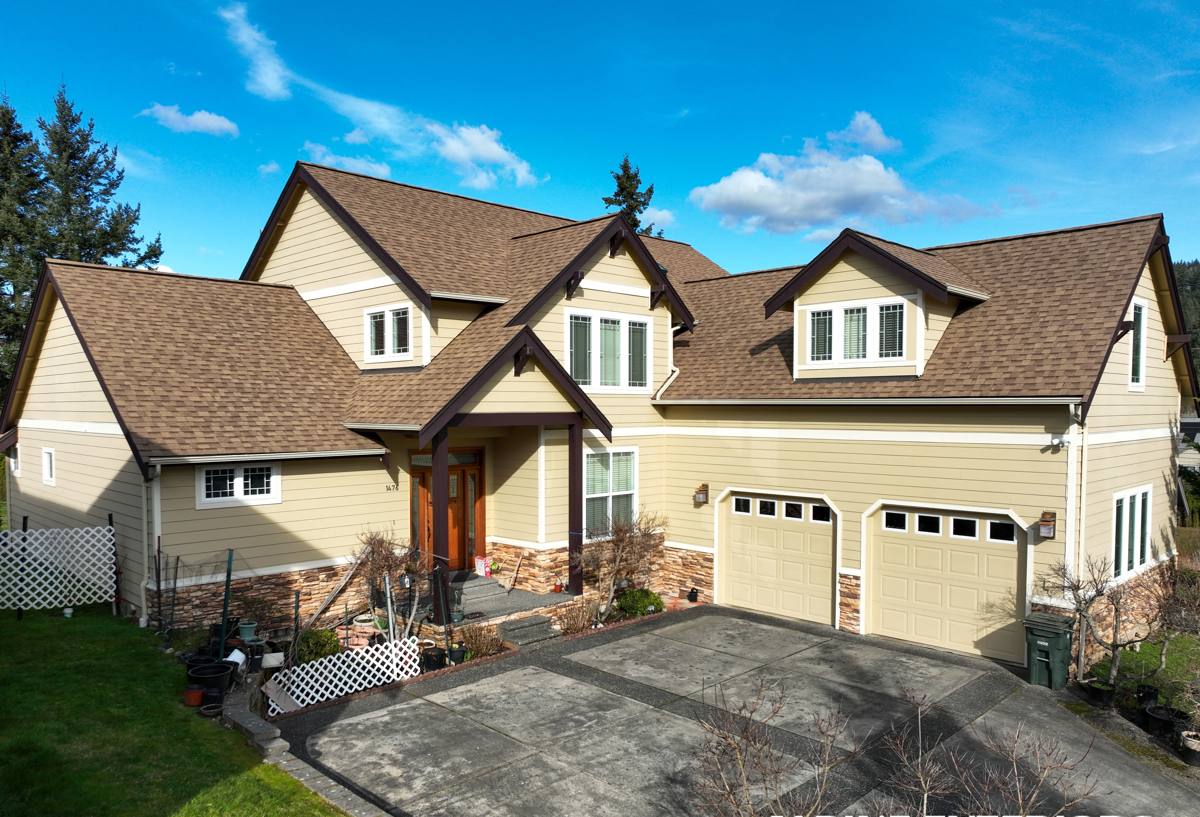
The Deck Problems We See Most Often Around Kenneth City
Rot and Soft Spots
Wood rot in this area almost always starts where water sits or collects — under planters, around post bases, at the ledger board where the deck attaches to the house, and in low spots where boards have started to cup. By the time a board feels soft underfoot or a screwdriver sinks in easily at the edge, the rot has usually been developing for a while beneath the surface.
Corroded or Backed-Out Fasteners
Salt air accelerates corrosion in screws, nails, and joist hangers — especially fasteners that weren't rated for coastal or treated-lumber use in the first place. Corroded fasteners lose grip, and you'll see this show up as boards that squeak, shift, or have visibly rusted screw heads with dark staining radiating out into the wood.
Warped, Cupped, or Split Boards
Constant wet-dry cycling is the direct cause of cupping (boards curling at the edges) and splitting. On composite decking, heat and UV exposure can cause fading, and on lower-quality boards, surface flaking. Either way, once a board has warped enough to trip on or hold standing water, it needs to be addressed rather than just resurfaced.
Structural Issues at the Ledger, Posts, and Stairs
The ledger board connection and the posts are the parts of a deck doing the real structural work. When these show rot, rust, or movement, it's not a cosmetic issue — it's a safety issue. Stair stringers and railings take a lot of repeated stress too, and loose railings are one of the more common repair calls we get.
Repair or Replace? What Actually Determines the Answer
Homeowners often ask whether it's worth repairing an older deck versus starting over. The honest answer depends on what's actually failing — a few bad boards are a different conversation than a compromised frame. Here's roughly how we sort it out during an inspection:
| Condition Found | Typical Fix | Repair vs. Replace |
|---|---|---|
| A handful of soft or cupped boards, frame is solid | Spot-replace affected boards | Repair |
| Corroded fasteners throughout, boards otherwise sound | Re-fasten with corrosion-rated hardware | Repair |
| Rot at the ledger board or support posts | Rebuild the affected structural section | Repair (targeted) or partial rebuild |
| Loose or leaning railings, wobbly stairs | Reinforce or rebuild railing/stair framing | Repair |
| Widespread rot across most of the deck surface | Full deck rebuild | Replace |
| Deck is 20+ years old with recurring fastener and board failures | Evaluate frame; often more cost-effective to rebuild | Replace |
The general rule: if the framing and posts are structurally sound, targeted repair is almost always the more cost-effective route. If the frame itself is compromised, patching the surface just delays a bigger problem — and can mask it from future inspection.
What a Correct Deck Repair Actually Involves
A Real Inspection First
Before any repair, we check the ledger board attachment, post bases, joists, and any area with visible staining, softness, or movement — not just the boards you can see from standing height. A repair that only replaces surface boards without checking what's underneath isn't a complete repair, and it's a common shortcut that leads to repeat calls within a year or two.
Matching or Upgrading Fasteners
Given the salt air and humidity in this part of Pinellas County, we use corrosion-resistant fasteners and hardware rated for coastal exterior use — not standard hardware that may have been used originally. This is one of the cheapest parts of a repair and one of the most important for making it last.
Addressing the Cause, Not Just the Symptom
If boards are rotting because water collects in a particular spot, replacing the board without addressing drainage or ventilation underneath just resets the clock on the same failure. Part of a proper repair is figuring out why that section failed and correcting it — better spacing, improved flashing at the ledger, or clearing debris that's trapping moisture.
Refinishing That Matches the Climate
Any exposed new wood needs sealing appropriate for high-UV, high-humidity conditions. We're honest with homeowners about the trade-off here: sealers and stains in this climate need reapplication more often than the label might suggest for a milder region, and skipping that maintenance is the single biggest reason wood decks age poorly here.
How Our Process Works
- Free on-site inspection — we walk the full deck, check framing and posts, and identify every problem area, not just the obvious one.
- Straightforward assessment — you get a clear explanation of what's failing, why, and what your repair options are, in plain language.
- Written estimate — scope and pricing before any work starts, no surprise add-ons mid-project.
- Repair work — structural fixes first, then board replacement, fastener upgrades, and railing/stair work as needed.
- Finish and seal — any new or exposed wood is properly sealed before we consider the job done.
- Walkthrough — we go over what was done and what maintenance will help it last in this climate.
Materials: Our Standards for This Climate
We're selective about what we use for deck repairs in coastal Pinellas County, and we explain why rather than just naming a preferred brand:
- Fasteners and hardware: corrosion-resistant, rated for treated lumber and coastal exposure — standard interior-grade hardware corrodes too quickly here to be a responsible choice.
- Structural lumber: properly treated for ground or moisture contact where it matters (posts, ledger area), matched to what the original structure requires.
- Composite or wood decking: both have legitimate places depending on the homeowner's priorities — composite trades a higher upfront cost for lower ongoing maintenance and better resistance to UV fading and moisture cupping; wood costs less upfront but needs more consistent sealing and inspection in this climate to perform well long-term. We'll walk through that trade-off honestly rather than pushing one option.
- Sealers/stains: exterior-rated products suited to high-UV, high-humidity exposure, with a realistic reapplication schedule — not a one-and-done promise.
Why a Crew That Already Works in Kenneth City Matters
Deck repair mistakes in this climate usually aren't visible for a year or two — that's exactly the problem. A crew that hasn't dealt much with Gulf Coast humidity, salt air, and wind-driven rain can do a repair that looks fine on day one and fails again within a couple of seasons because the fasteners weren't rated for it, or the sealing schedule assumed a drier climate. Working regularly in Kenneth City and the surrounding St. Petersburg area means we're not guessing at what holds up here — we're applying what we've actually seen fail and what actually lasts, on homes with the same sun, humidity, and storm exposure as yours.
It also means straightforward logistics: local scheduling, familiarity with the permitting and inspection expectations that apply to structural deck work in Pinellas County, and no learning curve at your expense.
Simple Maintenance That Extends the Life of a Repair
A good repair lasts a lot longer with basic upkeep. Here's what actually matters in this climate:
- Sweep off leaves and debris regularly — trapped organic matter holds moisture against the boards.
- Check for standing water after heavy rain and confirm it's draining, not pooling.
- Look at fastener heads once or twice a year for rust staining or backing out.
- Reseal or restain wood decking on a schedule suited to Florida sun and humidity, not the manufacturer's mild-climate default.
- Give railings and stair stringers a firm push-test periodically — movement is the earliest sign of a loosening connection.
- Keep planters and furniture legs from sitting directly on boards for months at a time without moving them.
Get a Straight Answer About Your Deck
If your deck has soft spots, loose railings, rusted fasteners, or boards that just don't look right anymore, it's worth having someone look at it before those small problems become structural ones. We offer a free, no-pressure estimate for Kenneth City and the surrounding St. Petersburg area — we'll tell you honestly what needs fixing, what can wait, and what it'll take to get it done right. Use the form below to get started.