 St. Petersburg Window
 New-Construction Windows for Disston Heights Homes
Disston Heights is one of St. Petersburg's older established neighborhoods, and the building activity we see there today is mostly infill: a teardown-rebuild on a smaller mid-century lot, a second-story addition, a rear expansion, or a full-gut renovation that opens up wall space for larger window openings. Any of those projects means new-construction windows — units installed into framed rough openings before or during the build, not swapped into an existing frame. That's a different job than replacement work, with different code requirements, different flashing details, and less room for error once the walls are closed up.
We install new-construction windows throughout St. Petersburg and Pinellas County, and Disston Heights' mix of older lot lines, mature tree canopy, and a wide range of home ages and additions means every project needs its own read on structure, drainage, and wind exposure before a single window goes in.
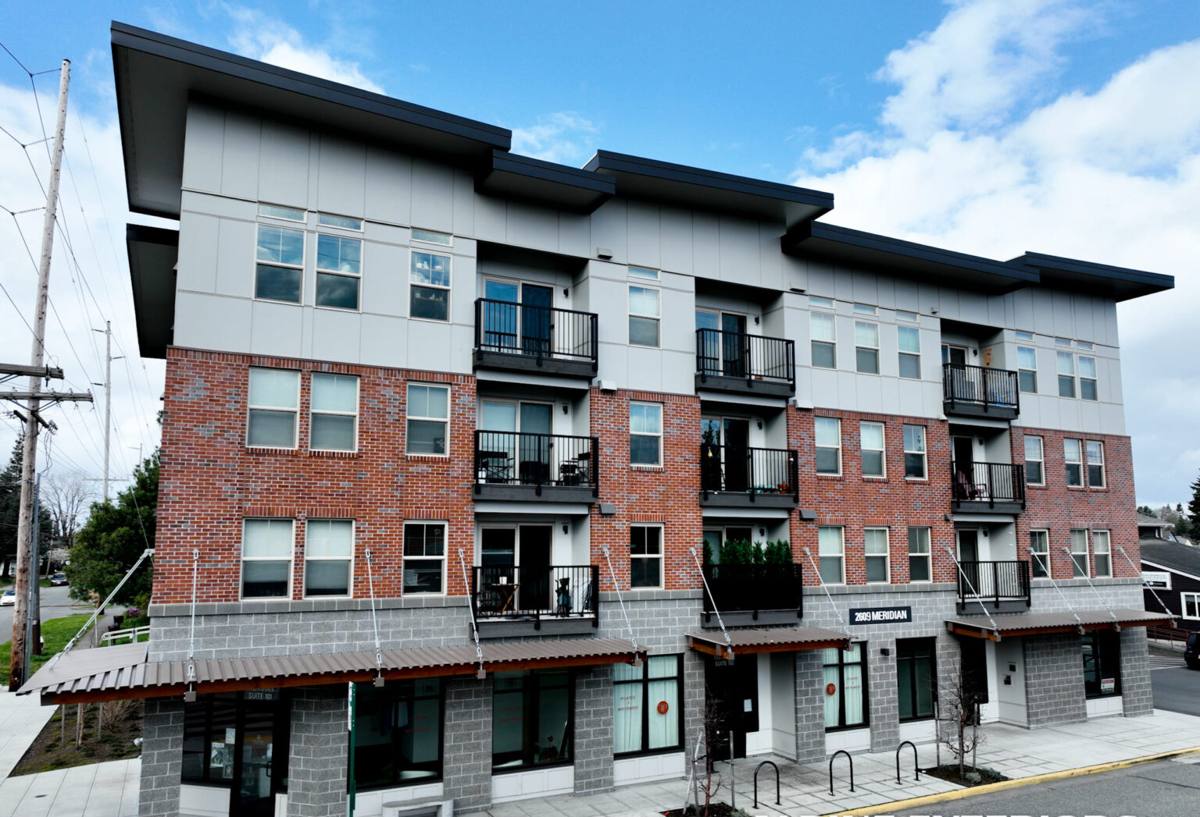
Why New Construction Is a Different Job Than Replacement
New-construction windows have a nailing fin around the perimeter that gets fastened directly to the framing, then integrated into the house's water-resistive barrier with flashing tape and building paper before siding or stucco goes on. That means the window installer isn't working around an existing wall finish — they're one step in a sequence that includes the framer, the house wrap or felt, the flashing, and whatever exterior cladding comes next. Get that sequence wrong — flash the sill before the jambs, skip a drip cap, or lap the tape backward — and you get a leak that won't show up until years later, buried behind drywall and insulation.
This is also the point in a build where window selection actually affects the structure. Header sizing, opening dimensions, and impact requirements need to be locked in before framing, not adjusted after the fact. A contractor who's only ever done retrofit replacement work can still get new-construction wrong in ways that don't surface until the next hurricane season.
What St. Petersburg's Climate Demands From a New Window
Pinellas County sits on a peninsula, and every home in it — Disston Heights included — deals with the same four stresses over the life of a window: hurricane-force wind loads, sustained wind-driven rain, intense year-round UV, and salt-laden air working on hardware and finishes. New construction is actually the best time to build all of that resistance in correctly, because you're not fighting an existing opening or old flashing.
Wind and Water
Wind-driven rain doesn't need a hurricane to find its way in — a strong afternoon storm pushing rain sideways will test a poorly flashed window just as thoroughly. New-construction installs give us the chance to build a proper drainage path from the start: sill pan flashing, correctly lapped tape, and a weep path that lets any water that does get past the glass and frame drain back out instead of pooling at the sill.
UV and Salt Air
Central Florida sun degrades vinyl, seals, and low-quality hardware faster than almost anywhere else in the country. Combine that with the salt air that reaches inland from Tampa Bay and the Gulf, and you get accelerated corrosion on cheap fasteners, locks, and hinges. We spec corrosion-resistant hardware and UV-stable frame materials as a standard, not an upgrade, because replacing hardware on a five-year-old window is a preventable expense.
Code and Wind Zone Requirements in Pinellas County
New-construction windows in St. Petersburg have to meet Florida Building Code wind load requirements for the property's specific wind zone, which varies by location and distance from the coast. Pinellas County plan review checks window products, anchoring, and glazing against the approved design pressures for the address before a permit is finalized — this isn't optional paperwork, it's what determines whether the window survives a real wind event.
Impact-Rated Glass vs. Shutters
Homeowners building or adding on in Disston Heights generally choose between impact-rated windows (laminated glass that stays intact under wind-borne debris impact) or code-compliant windows paired with separate shutter protection. Both routes satisfy the code, but they trade off differently:
| Factor | Impact-Rated Windows | Standard Windows + Shutters |
|---|---|---|
| Upfront cost | Higher per window | Lower window cost, added shutter cost |
| Storm prep effort | None — always protected | Shutters must be deployed before each storm |
| Daily UV/noise performance | Better — laminated glass blocks more UV and sound | Standard glass performance |
| Insurance impact | Often qualifies for windstorm mitigation credits | Credits depend on shutter type and rating |
| Appearance | No visible hardware when not in use | Shutters or tracks visible on the exterior |
Neither option is wrong — it comes down to budget, how the home will be lived in, and whether the owner wants storm prep to be a non-event.
Our New-Construction Window Process
1. Plan Review and Product Selection
We review the architectural plans or the engineer's opening schedule before framing is finalized. Header heights, rough opening sizes, and design pressure requirements for the specific address all get confirmed against the products we're proposing.
2. Rough Opening Verification
Once the framer has openings built, we check each one for square, plumb, and correct dimensions before the window ever arrives on site. Catching a framing error here is a phone call; catching it after the window is installed is a change order.
3. Flashing and Water Management
We install sill pan flashing, integrate the window's nailing fin with the house wrap in the correct shingle-lap order, and flash the head with a drip cap detail so water is always directed outward and down, never behind the window.
4. Setting and Anchoring
Windows are shimmed, squared, and fastened per the manufacturer's tested installation instructions — the same instructions that back the product's design pressure rating. Deviating from that fastening pattern can void both the warranty and the wind rating, even if the window itself is correctly rated.
5. Final Seal and Inspection Readiness
Interior and exterior sealant, backer rod where needed, and a final check against the plan set so the job is ready for the county inspection without a callback.
Common Mistakes We See on New-Construction Jobs
- Windows ordered to the wrong design pressure for the property's actual wind zone
- Flashing installed out of sequence, so water is directed into the wall instead of out of it
- Fasteners that don't match the manufacturer's tested pattern, quietly voiding the wind rating
- Rough openings framed slightly out of square, forcing the installer to compensate with excess shim and sealant
- Non-impact glass installed in a wind zone that requires impact rating or approved shutters
- Hardware and fasteners that aren't corrosion-resistant, leading to early failure in salt air
What Affects the Cost of a New-Construction Window Package
| Factor | Why It Matters |
|---|---|
| Number and size of openings | Larger openings and more units mean more material and labor |
| Impact-rated vs. standard glass | Impact glass costs more per unit but removes ongoing shutter costs |
| Design pressure requirements | Higher-rated products for more exposed lots cost more than base code minimums |
| Frame material | Vinyl, aluminum, and composite options carry different price points and maintenance needs |
| Site access and timing | Coordinating install with the framing and dry-in schedule affects labor efficiency |
Every project is different, and the honest way to get real numbers is a site visit and a look at the actual plans — broad ranges without seeing the opening schedule aren't worth much to a homeowner trying to budget.
Why Hiring a Crew That Works Disston Heights Already Matters
A neighborhood like Disston Heights has its own mix of lot sizes, older tree cover, and a range of home ages from original mid-century construction to newer infill builds — all of which affect access, staging, and how a build sequences with neighbors on both sides. A crew that's already worked in the area knows how Pinellas County plan review handles wind pressure documentation, what the inspectors look for on flashing and fastening, and how to sequence with framers and stucco or siding crews without holes in the schedule. That local familiarity is what keeps a new-construction window install from becoming the bottleneck on a build.
Quick Checklist Before You Sign a New-Construction Window Contract
- Confirm the proposed windows are rated for your property's actual wind zone, not a generic minimum
- Ask whether sill pan flashing and a drip cap detail are included as standard, not an upsell
- Get the fastening and installation method in writing, matched to the manufacturer's tested instructions
- Clarify who pulls the permit and coordinates the Pinellas County inspection
- Ask about hardware corrosion resistance given the area's salt air exposure
- Get a written product spec sheet, not just a verbal description of "impact glass" or "hurricane rated"
If you're planning new construction or an addition in Disston Heights, we're happy to walk the plans with you, talk through wind zone requirements for your specific address, and put together a straightforward, no-pressure estimate. Use the form below to get started.