 St. Petersburg Window
 Why Window Replacement in Snell Isle Isn't a Standard Job
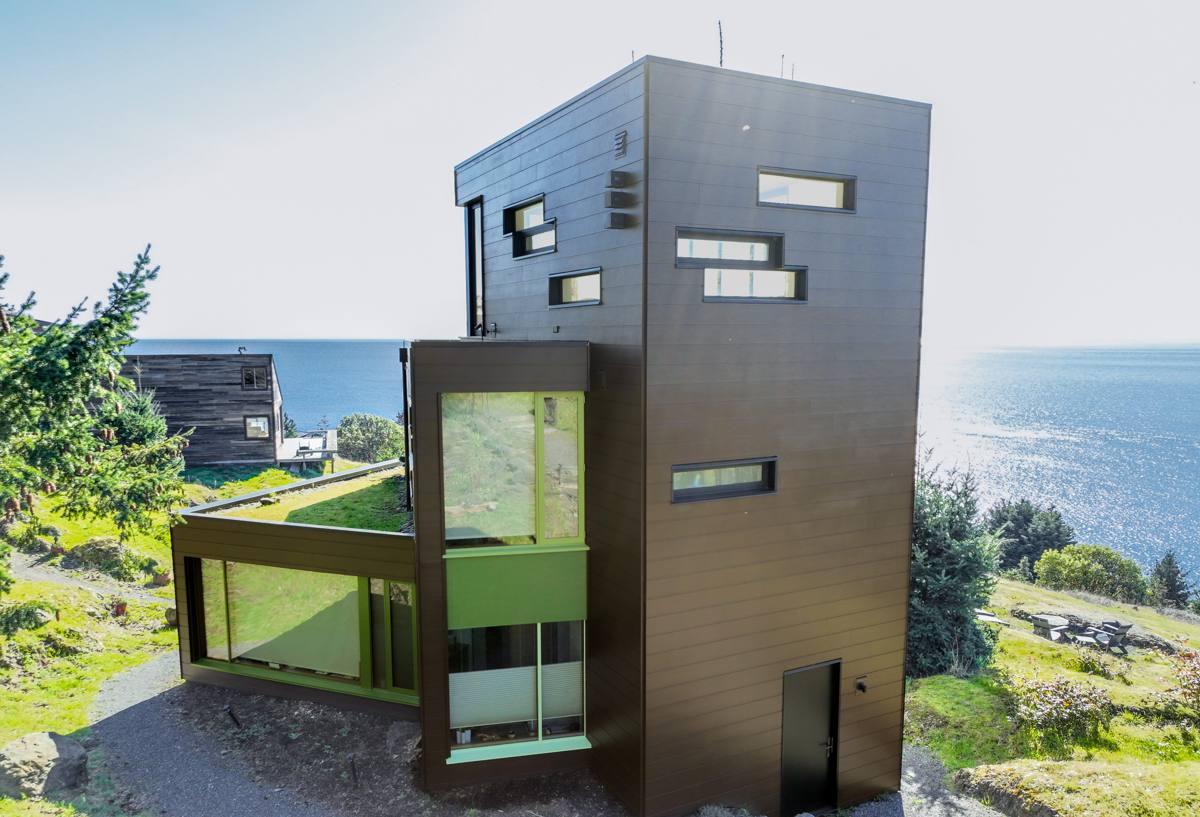
Snell Isle sits closer to open water than most of St. Petersburg, and that changes what a window has to survive. Homes here face a combination most inland Pinellas County properties don't deal with at the same intensity: near-constant salt-laden air, direct sun exposure with few tall neighbors or mature tree canopy to block it on canal- and bay-front lots, wind-driven rain that comes off the water at an angle instead of straight down, and the real possibility of a direct or near-direct hurricane hit. A window that's rated fine for a subdivision ten miles inland can fail years earlier out here, and it usually doesn't fail all at once — it fails one seal, one hinge, one section of frame at a time until the homeowner is dealing with fogged glass, water intrusion, or a sash that won't latch anymore.
Custom windows for this neighborhood means matching the product to the exposure, not just to the opening size. That's the whole premise of this page: what Snell Isle homes actually need, what a correctly done job includes, and why local, hands-on experience in this specific area matters more here than in most parts of the county.
What Salt Air, Sun, and Storms Do to Windows Over Time
Salt Air and Corrosion
Airborne salt from the surrounding water settles on everything, including window hardware, screen frames, and metal components. Left unaddressed, it accelerates corrosion on lower-grade fasteners, hinges, and balance systems, and it can pit or cloud certain aluminum finishes faster than the manufacturer's warranty documentation assumes for a "typical" installation. This is why hardware grade and finish matter as much as the glass package on a waterfront property.
Year-Round UV Exposure
Florida's sun angle and day length mean windows here take far more cumulative UV exposure annually than the same product would in most of the country. Over time, UV breaks down inferior vinyl formulations (leading to discoloration or brittleness), degrades weatherstripping, and can shorten the effective life of low-E coatings that weren't formulated for this level of exposure.
Wind-Driven Rain
Standard water-infiltration testing assumes rain falling in a fairly controlled lab setup. On a home exposed to open water, wind pushes rain sideways and upward, and it finds any gap in flashing, sealant, or a poorly shimmed frame. Most water intrusion complaints we see on windows that are only a few years old trace back to installation detailing, not the window unit itself.
Storm Wind Loads
Hurricane and tropical storm wind events put direct structural load on the glass and frame, and failed openings during a storm are one of the leading ways wind gets inside a home and takes the roof structure with it. This is the piece that separates "a nice-looking window" from "a window doing its job during the storm that matters."
What "Custom" Means for a Neighborhood Like Snell Isle
Snell Isle's housing stock spans decades — older architecturally distinctive homes sit alongside newer construction and renovated properties, and lot orientation toward canals or open water is common. That mix means very few jobs here are a simple like-for-like swap out of a big-box catalog:
- Older homes often have openings sized to construction standards that predate current manufacturer stock sizes, so units need to be built to the actual opening or the opening needs to be properly resized — not forced.
- Waterfront lots often call for larger glass areas to take advantage of the view, which changes structural and wind-load requirements for that unit.
- Renovated or additions-heavy homes sometimes have mismatched window styles from different eras that a homeowner wants unified without a full gut renovation.
- Architectural detailing on older homes (deeper reveals, decorative trim, arched or specialty shapes) needs custom units or custom trim-out to look right, not a generic rectangle.
"Custom" in this context isn't a marketing word — it means every opening gets measured and specified on its own, and the product ordered matches both the performance requirement and the way the house actually looks.
Wind, Impact Standards, and Permitting Near the Water
Because Snell Isle sits directly on the water, homes here commonly fall inside the wind-borne debris zones defined by the Florida Building Code, which apply to coastal areas of Pinellas County. In practice, that generally means new and replacement windows need to either be impact-rated (glass and frame tested and labeled to resist wind-borne debris) or be paired with code-approved protection. Requirements vary by exact location, structure age, and scope of work, which is why we confirm the applicable code path for the specific address before ordering anything rather than assuming.
Any legitimate window replacement in the city requires a permit, and the installed product needs a valid Florida product approval or Miami-Dade Notice of Acceptance number matching what's actually installed. A contractor who pulls the permit, schedules the inspection, and can produce that approval paperwork on request is doing the job the way it's supposed to be done. A contractor who suggests skipping the permit "to save time" is setting the homeowner up for problems at resale, insurance claim time, or both.
Frame and Glass Options Worth Comparing
There's no single "best" window for every Snell Isle home — the right choice depends on exposure, budget, and how much of the home's original character needs to be preserved. Here's how the common options stack up for this environment:
| Frame Material | Salt-Air Durability | Maintenance | Typical Cost Tier |
|---|---|---|---|
| Vinyl (impact-rated) | Good — won't corrode, quality matters for UV stability | Low | Lower to mid |
| Aluminum | Fair to good depending on finish; needs a marine-grade or coastal finish near water | Moderate | Mid |
| Fiberglass/composite | Very good — stable in heat and salt exposure | Low | Higher |
| Wood or wood-clad | Poor without diligent upkeep near salt air and humidity | High | Higher |
Glass packages matter as much as frame material. For this location, we generally recommend laminated impact glass with a low-E coating suited to Florida's solar heat gain, rather than annealed glass paired with external shutters, simply because impact glass provides continuous protection without the homeowner needing to deploy anything before a storm. Shutters and panels still have a legitimate place, particularly on budget-limited projects or specialty openings where impact glass isn't practical, and we'll walk through that trade-off honestly rather than push one system as a blanket answer.
How We Handle a Snell Isle Custom Window Project
1. On-Site Assessment
We look at every opening individually, note the exposure (direct water view vs. more sheltered side of the house), check existing framing condition, and talk through what the homeowner actually wants out of the project — energy performance, storm protection, appearance, or some combination.
2. Measuring and Specifying
Openings are measured to what's actually there, not assumed from stock sizing. We specify the frame material, glass package, and hardware based on that opening's exposure and the code requirements that apply to the property.
3. Permitting
We handle the permit application with the required product approval documentation before installation begins, and we schedule the inspection as part of the job — not as an afterthought.
4. Installation
Proper flashing and sealant detailing around each opening is what actually stops wind-driven rain, more than the window unit alone. This is where a lot of quality gaps show up years later, so it's the step we're most careful about.
5. Walkthrough and Cleanup
We walk the homeowner through operation, hardware care, and any warranty registration steps, and we clean up the site fully before calling the job done.
Why Hiring a Crew That Already Works This Neighborhood Matters
A crew that regularly works Snell Isle and the surrounding St. Petersburg waterfront has already dealt with the practical realities specific to this area: which product lines actually hold up under this level of salt exposure, how to handle older construction with non-standard openings, and what the local permitting office expects for documentation on coastal wind-borne debris zone work. Waterfront communities like this one also sometimes carry deed restrictions or architectural guidelines that affect exterior appearance — a crew familiar with the area knows to ask about that upfront instead of finding out after ordering.
That familiarity shows up as fewer surprises: fewer change orders because an opening wasn't what the estimate assumed, fewer permit delays from missing paperwork, and a finished product that's actually specified for the exposure it's going to face rather than a generic recommendation.
Keeping New Windows Performing Long-Term in This Climate
Even a correctly installed, properly rated window benefits from basic upkeep in a salt-air environment. A simple annual routine goes a long way:
- Rinse frames and hardware with fresh water periodically to remove salt buildup, especially after storms with onshore wind.
- Lubricate hinges, locks, and balance mechanisms per the manufacturer's recommendations — salt air accelerates wear on unprotected hardware.
- Inspect exterior sealant and caulking annually for cracking or separation, particularly after hurricane season.
- Check screens and weep holes for debris that can trap moisture against the frame.
- Keep manufacturer warranty and product approval paperwork on file — you'll need it for insurance and at resale.
- Have any fogging between glass panes checked promptly; it usually signals a failed seal, not something that improves on its own.
None of this replaces a correct initial installation, but it does extend the useful life of a good window well past what neglect would allow in this environment.
Getting Started
If you're weighing whether it's time to replace windows on a Snell Isle property, or you're planning a larger renovation and want the window scope handled by people who already understand this neighborhood's exposure and code requirements, we're glad to come take a look. We offer free, no-pressure estimates — use the form below to get one scheduled.