 St. Petersburg Window
 Custom Windows Built for Crescent Lake Homes
Crescent Lake is one of St. Petersburg's older, established neighborhoods — a mix of bungalows, Mediterranean Revival cottages, ranch homes, and mid-century additions built up around the park and lake that give the area its name. Houses at this age were framed with window openings sized to whatever was standard when they were built, which is almost never what a big-box or catalog replacement window is sized for today. "Custom" isn't a marketing word here — it's what makes a window actually seal, operate, and hold up in this climate instead of getting shimmed, caulked, and forced into an opening it doesn't fit.
We build and install windows measured to your home's actual openings, not the nearest stock size. For Crescent Lake specifically, that usually means working around original wood-frame openings that have shifted slightly over the decades, matching sightlines and grille patterns that suit an older Craftsman or Mediterranean-style home, and doing it in a way that satisfies Pinellas County's permitting and inspection process the first time.
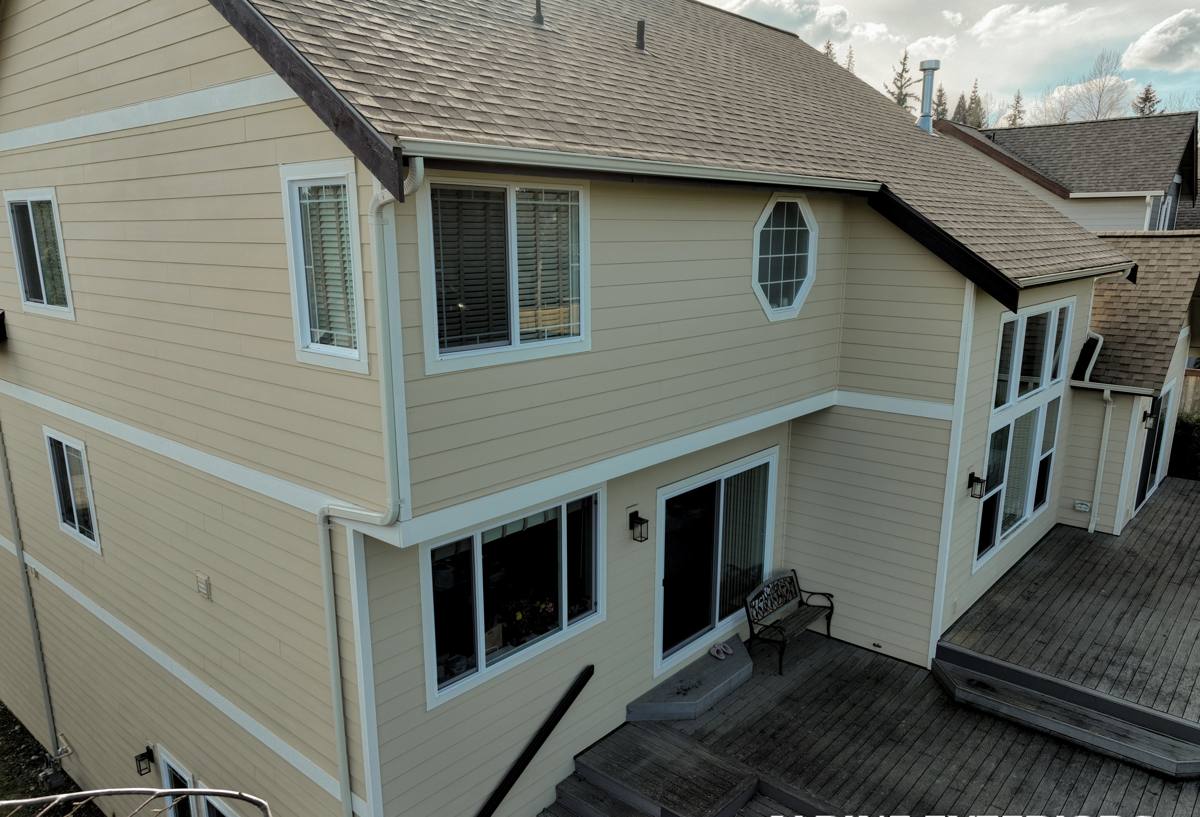
What This Climate Does to Windows
St. Petersburg sits on a peninsula between Tampa Bay and the Gulf, and Pinellas County takes the full brunt of what that location brings:
- Hurricane and tropical storm wind loads that stress frames, seals, and anchoring every storm season
- Wind-driven rain that finds any gap in flashing or weatherstripping and pushes water into the wall cavity, not just the window itself
- Intense, near year-round UV that breaks down cheap vinyl, degrades seals, and yellows or clouds low-quality glazing over time
- Salt air carried in off the Bay and Gulf, which corrodes unprotected fasteners, hinges, and aluminum hardware faster than most homeowners expect
None of these are hypothetical for Crescent Lake. The neighborhood is close enough to the water to feel all four year-round, and older single-pane or early-generation double-pane windows in the area are often past the point where recaulking or hardware repair does much good. When we talk about a "correct" window install here, we mean one built to handle all four of these stresses at once — not just look good on install day.
What This Means for an Older Home Specifically
Original wood window frames in a 1920s–1960s Crescent Lake home have usually moved a little with the house — settled, swelled, and dried out over decades of Florida humidity swings. A generic replacement window assumes a square, true opening. If yours isn't perfectly square (and most aren't after this many years), a stock-size unit either won't fit right or gets forced in with excess shim and caulk, which is exactly where future leaks start. Custom-built windows are sized and, where needed, shimmed and flashed to the opening you actually have.
Florida Building Code and What It Means for a Replacement Window Here
Pinellas County falls within Florida's wind-borne debris region under the Florida Building Code. In practical terms, that means replacement windows generally need to be impact-rated (or paired with code-approved protection) and installed under a permit that gets inspected before it's closed out. This isn't optional paperwork — it's what determines whether your insurance carrier and, eventually, a future buyer's inspector will accept the work.
A window that isn't rated or labeled correctly for its wind zone can pass a casual look and still fail a permit review or an insurance inspection later. We pull permits, use products with the correct product approval documentation for this county, and schedule inspections as part of the job — not as an afterthought the homeowner has to chase down.
Material and Glass Options for This Neighborhood
There's no single "best" window for Crescent Lake — the right choice depends on the home's age, style, budget, and how exposed a given wall is to weather. Here's how the common options actually compare in this climate:
| Frame Material | How It Holds Up Here | Best Fit |
|---|---|---|
| Vinyl | Good value, low maintenance; quality varies a lot — cheap vinyl can warp or yellow under sustained Florida UV | Ranch and mid-century homes without strict historic detailing |
| Aluminum | Strong and slim-profile, but needs a good thermal break and corrosion-resistant hardware near the coast | Modern additions, larger glass openings |
| Fiberglass / composite | Very stable in heat and humidity, holds paint well, higher upfront cost | Homes where long-term stability matters more than upfront price |
| Wood / wood-clad | Best for matching original Craftsman or Mediterranean detailing, but needs real maintenance discipline in this humidity | Historic-style homes where appearance is the priority |
On glass, we lean toward laminated impact glass for most Crescent Lake installs rather than relying only on a high design pressure rating with standard glass. Laminated glass keeps its structural interlayer intact even when the outer pane cracks under wind-borne debris, which is the behavior the wind-borne debris code requirement is actually built around. We'll walk through options and trade-offs — including where a lower-cost non-impact window paired with approved shutters makes sense — during your estimate.
How We Approach a Crescent Lake Install
1. Measure and Assess the Openings
We measure every opening individually rather than assuming they match. On older homes we also check the surrounding framing and sill for rot, moisture damage, or settling that needs to be addressed before a new window goes in — installing a good window into a bad opening just moves the problem, it doesn't fix it.
2. Confirm Product and Code Fit
We match window design pressure ratings and impact requirements to your specific exposure and elevation, then confirm the products carry the Florida product approval documentation Pinellas County will want to see at permit and inspection.
3. Permit and Schedule
We pull the permit, schedule the work around it, and build the install timeline so the required inspection happens without gaps in your home's weather protection.
4. Remove, Flash, and Set
Old windows come out carefully to avoid unnecessary damage to original trim or stucco, especially where we're trying to preserve a home's original character. New flashing goes in around the opening before the window is set — this is the single most common step cheap installs skip, and it's the step that actually keeps wind-driven rain out of the wall.
5. Seal, Anchor, and Finish
Anchoring follows the manufacturer's tested installation instructions (required for the impact rating to actually hold), sealant is applied at every joint the manufacturer specifies, and interior and exterior trim is finished to match the home.
6. Final Inspection and Walkthrough
We close out the permit inspection and walk the job with you — operation, locks, screens, and a look at the finished sightlines from inside and out.
Signs Your Current Windows Are Working Against You
- Windows that are hard to open, don't latch fully, or have visibly warped or swollen frames
- Fogging or a cloudy haze between panes on double-pane units — the seal has failed
- Soft or discolored wood, or bubbled paint, on the trim or sill around the window
- Noticeable air movement or street noise coming through a closed window
- Chalky, pitted, or corroded aluminum hardware or frames
- Higher cooling bills than a home this size should have, with no other obvious cause
Any one of these is worth a look. Several at once usually means the windows are past the point where repair makes sense and a full replacement is the more honest recommendation.
Maintenance That Actually Extends the Life of a New Window
A correctly installed, code-rated window still needs upkeep in this climate — the salt air and UV don't stop because the window is new.
- Rinse frames and tracks periodically to clear salt residue, especially on homes closer to the water
- Check and re-lubricate hardware yearly so locks and rollers don't seize or corrode
- Inspect exterior sealant annually and have gaps re-caulked before they become leak paths
- Keep weep holes clear so water drains out instead of pooling in the frame
- After any major storm, do a visual check of frames and seals for new gaps or damage
Cost Factors for a Crescent Lake Project
We don't quote firm prices without seeing the openings, but the main variables that move a project's cost are consistent from job to job:
| Factor | Why It Matters |
|---|---|
| Number and size of openings | More and larger openings mean more material, labor, and permitting scope |
| Frame material chosen | Vinyl, aluminum, fiberglass, and wood span a wide cost range, as shown above |
| Impact vs. non-impact glass | Impact-rated laminated glass costs more upfront but removes the need for separate shutters |
| Condition of existing openings | Rot, out-of-square framing, or stucco repair adds labor before the window itself goes in |
| Historic or architectural detailing | Matching original trim profiles or grille patterns takes more time than a stock install |
Why a Locally Experienced Crew Matters Here
A window contractor who already works in Crescent Lake and the surrounding St. Petersburg neighborhoods knows what Pinellas County's permit reviewers and inspectors actually want to see, knows how to handle the openings on a home this age without creating new problems, and has already worked through the flashing and sealing details that matter most in a wind-driven-rain climate. That's different from a crew running the same install method they'd use in a dry inland market and hoping it holds up here. Given how much of what makes an install "correct" happens behind the trim — flashing, anchoring, sealant sequencing — hiring for that experience, not just the lowest bid, is what actually protects the house.
If you're weighing a window project for your Crescent Lake home, we're glad to come take a look, measure your openings, and put together a straightforward, no-pressure estimate — free of charge, with no obligation. Use the form below to get started.