 St. Petersburg Window
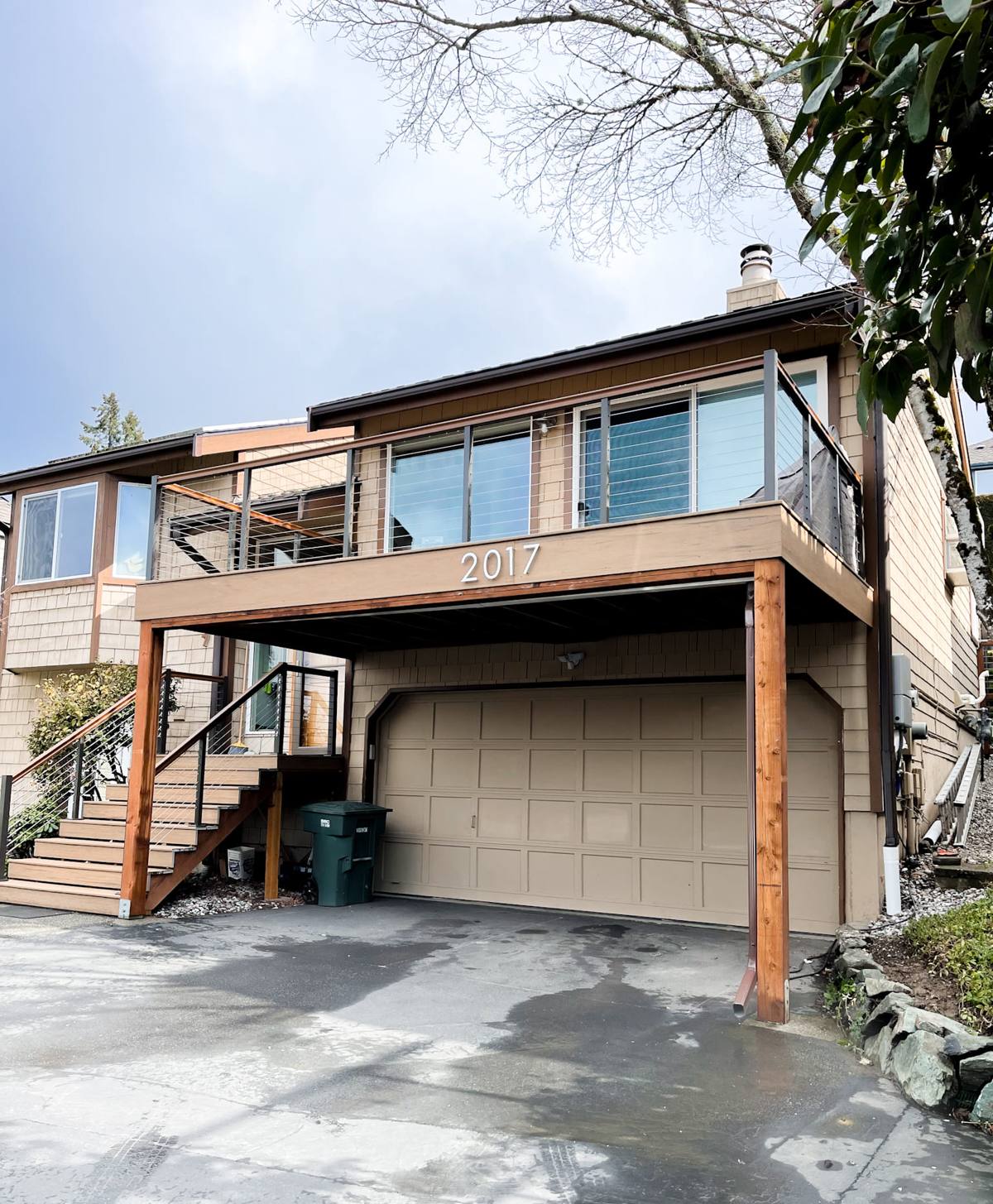
 Building Decks for Crescent Lake, Not Just Any Deck
Crescent Lake is one of St. Petersburg's older, established neighborhoods, built up around the park and lake it takes its name from. Homes here range from early-century bungalows to mid-century additions, many with mature oak canopy, tighter lots, and yards that back up to shared green space or drainage swales. A deck built for this neighborhood has to answer to two things at once: the character of an older home, and the punishing climate that comes with living a few miles from Tampa Bay. We build decks in this part of St. Petersburg regularly, and the details we get right here are not the same details that matter in a newer subdivision further inland.
What Pinellas County Climate Does to a Deck
St. Petersburg's climate is hard on any exterior structure, and a deck — sitting horizontal, exposed on all sides, and holding fasteners in constant contact with moisture — takes more abuse than almost anything else on a house.
- Hurricane-force wind: A deck attached to the house is a lever. Wind gets underneath it and pulls at the ledger board connection, the posts, and the railing. Undersized fasteners or a poorly flashed ledger are the most common failure points we find on older decks in this area.
- Year-round UV: Florida sun is intense for most of the year, not just summer. UV breaks down the lignin in wood fiber, fades stains and sealers faster than product labels suggest, and degrades lower-grade composite decking's color and surface over time.
- Wind-driven rain: Storms here rarely fall straight down. Rain gets driven sideways into ledger connections, post bases, and under railing posts, which is where rot and hidden corrosion start — usually invisible until the wood is already soft.
- Salt air: Even away from the immediate coastline, salt in the air accelerates corrosion on fasteners, brackets, and hardware. Standard galvanized hardware corrodes faster here than it would inland; this is a bigger factor in material selection than most homeowners realize going in.
What a Correctly Built Deck Looks Like Here
Framing and Fasteners
The framing is the part nobody sees once the deck is finished, and it's the part that determines whether the deck survives its first real storm season. In this climate we frame with pressure-treated lumber rated for ground contact where posts meet footings, use joist hangers and structural connectors rated for the wind exposure category that applies to St. Petersburg, and fasten with stainless steel or high-grade coated hardware rather than standard galvanized — the extra cost up front is small compared to what it costs to fix corroded connectors five years in.
The Ledger Connection
Where the deck ties into the house is the single most important structural detail on the whole project. It needs proper flashing that sheds water away from the house framing, correct lag or through-bolt spacing, and a connection engineered to resist both the vertical load of people standing on the deck and the lateral pull of wind. On older Crescent Lake homes, the wall framing behind the siding isn't always what current code assumes, so this connection gets inspected and built to what's actually there, not just to a generic spec sheet.
Footings and Post Bases
Footings need to go below the frost-irrelevant but flood- and settlement-relevant depth for this soil, sized for the wind and load requirements Pinellas County inspectors check for. Post bases should sit up off the concrete on a standoff bracket, not buried in the footing or resting flush on wet concrete — that single detail is the difference between a post base that lasts fifteen years and one that's rusted through in five.
Decking Material: An Honest Comparison
There's no universally "best" decking material — there's a best material for your budget, your maintenance appetite, and how much shade your yard gets. Crescent Lake's mature tree canopy is worth factoring in here specifically: more shade means slower drying after rain, which changes the calculus on wood versus composite.
| Material | Upfront Cost | Maintenance | Behavior in Shade/Humidity |
|---|---|---|---|
| Pressure-treated pine | Lowest | Annual cleaning, re-sealing every 1-2 years | Prone to mildew and cupping in shaded, humid spots without upkeep |
| Tropical hardwood (e.g. ipe) | High | Periodic oiling to maintain color; low rot risk if maintained | Naturally rot- and insect-resistant; handles humidity well |
| Capped composite | Mid-high | Occasional washing, no sealing | Resists moisture well; lower-grade uncapped composite can mildew in deep shade |
| PVC decking | Highest | Lowest — washing only | Fully moisture-proof; best choice for consistently shaded, damp areas |
Our standard for capped composite and PVC is a manufacturer with a real structural and stain warranty, installed to that manufacturer's fastening spec exactly — hidden fastener systems and gapping vary by brand, and installing them wrong is what actually causes the "composite deck problems" people hear about, not the material itself.
Railing and Code Compliance
Railing height, baluster spacing, and guard strength requirements are set by Florida Building Code and enforced through Pinellas County permitting, and they're not optional details — they're the parts of a deck most directly tied to someone's safety. We build railing systems to hold up under real load, not just pass a visual inspection, and we match material choice (wood, aluminum, cable, or composite railing) to the same climate logic as the decking itself: whatever's exposed to sun and rain the most gets the most corrosion- and UV-resistant treatment.
Our Process
- On-site assessment: We walk the yard, check drainage patterns, sun/shade exposure, existing structure (if replacing a deck), and how the new deck will tie into the house.
- Design and material selection: We talk through material tradeoffs honestly, based on your budget and how much upkeep you actually want to do, not just what sells at the highest margin.
- Permitting: We handle the Pinellas County/City of St. Petersburg permit submission and schedule required inspections — this is not a step to skip, and it protects you if you ever sell the house.
- Framing and structural work: Footings, posts, ledger connection, and joist framing, built to the wind and load requirements for this area.
- Decking, railing, and finishing: Installed to manufacturer spec, with attention to fastener spacing and gapping for expansion in Florida heat.
- Final walkthrough: We check the deck with you before calling the job done, not just before the inspector shows up.
Considerations Specific to Crescent Lake
A few things come up more often on Crescent Lake jobs than elsewhere in St. Petersburg:
- Tree canopy and drying time: Established oaks mean beautiful shade, but also slower drying after rain and more leaf litter collecting in gaps between boards — both push toward moisture-resistant materials and wider, cleaner gapping.
- Older home framing: Ledger attachment on an older bungalow-era home sometimes means working around framing that doesn't match a modern spec sheet — we assess and adapt rather than forcing a generic install.
- Lot drainage: Yards near the lake and park green space can hold water longer after heavy rain. Footing depth and post base standoffs matter more here, not less.
- Neighborhood character: Homeowners here often want a deck that fits the age and style of the house rather than looking bolted-on — we design railing style and decking tone with that in mind.
Maintenance That Actually Extends Deck Life
Whatever material you choose, a few habits make the biggest difference in how long a deck lasts in this climate:
- Rinse the deck surface periodically to clear salt residue, pollen, and organic debris before it embeds in the surface texture.
- Check and clear the gaps between boards each season — trapped leaves and moisture are the most common cause of rot and mildew staining.
- Inspect the ledger flashing and post bases once a year, ideally before hurricane season, for any sign of water intrusion or corrosion.
- For wood decking, re-seal on the schedule the product actually needs in Florida sun — usually more often than the label suggests for northern climates.
- Tighten or replace any hardware showing rust before it compromises the connection, not after.
Cost Factors to Expect
| Factor | Why It Moves the Price |
|---|---|
| Deck size and shape | More square footage and multiple levels or angles increase framing and material time |
| Decking material | Pressure-treated is the low end; PVC and premium composite sit at the high end |
| Height off grade | Taller decks need more substantial posts, bracing, and often stairs and additional railing |
| Site access and grading | Tight side yards, tree roots, or drainage correction add labor time |
| Railing style | Basic wood or aluminum railing costs less than cable or custom composite systems |
| Permitting complexity | Ties into existing structure or proximity to setbacks can add engineering review time |
We'll give you a real number after seeing the site — broad online estimates don't account for St. Petersburg-specific permitting or the framing upgrades this climate calls for.
Why a Crew That Already Works This Neighborhood Matters
A deck builder who works Crescent Lake regularly already knows the Pinellas County permitting process, has a working relationship with local inspectors, and has seen how older homes in this neighborhood are actually framed — not just how a generic spec sheet says they should be. That familiarity shows up in fewer surprises mid-project, fewer failed inspections, and a deck that's built for how St. Petersburg weather actually behaves rather than a one-size-fits-all national standard.
If you're considering a new deck or need an old one assessed and rebuilt, we're glad to walk the property with you and give a free, no-pressure estimate — use the form below to get started.