 St. Petersburg Window
 Coquina Key Roofs Work Harder Than Most
Coquina Key sits on open water, with canals wrapping most of the neighborhood and very little between many homes and the wind coming off Tampa Bay. That waterfront exposure is part of what makes the area desirable, but it's hard on a roof. Salt-laden air corrodes exposed metal faster than it would a few miles inland. Storms that roll off the bay hit these homes with less buffering from trees or taller structures nearby. And because most of the housing stock here dates back several decades, a lot of roofs are simply reaching the end of their service life at the same time the materials and installation standards around them have moved on.
A new roof installation on a home like this isn't just about swapping old shingles or tile for new ones. It's about specifying and installing a system that can stand up to hurricane-force wind, year-round UV exposure, wind-driven rain, and salt air — the same four forces that wear down every roof in St. Petersburg and across Pinellas County, but that hit a bit harder on a canal-front lot with open exposure.
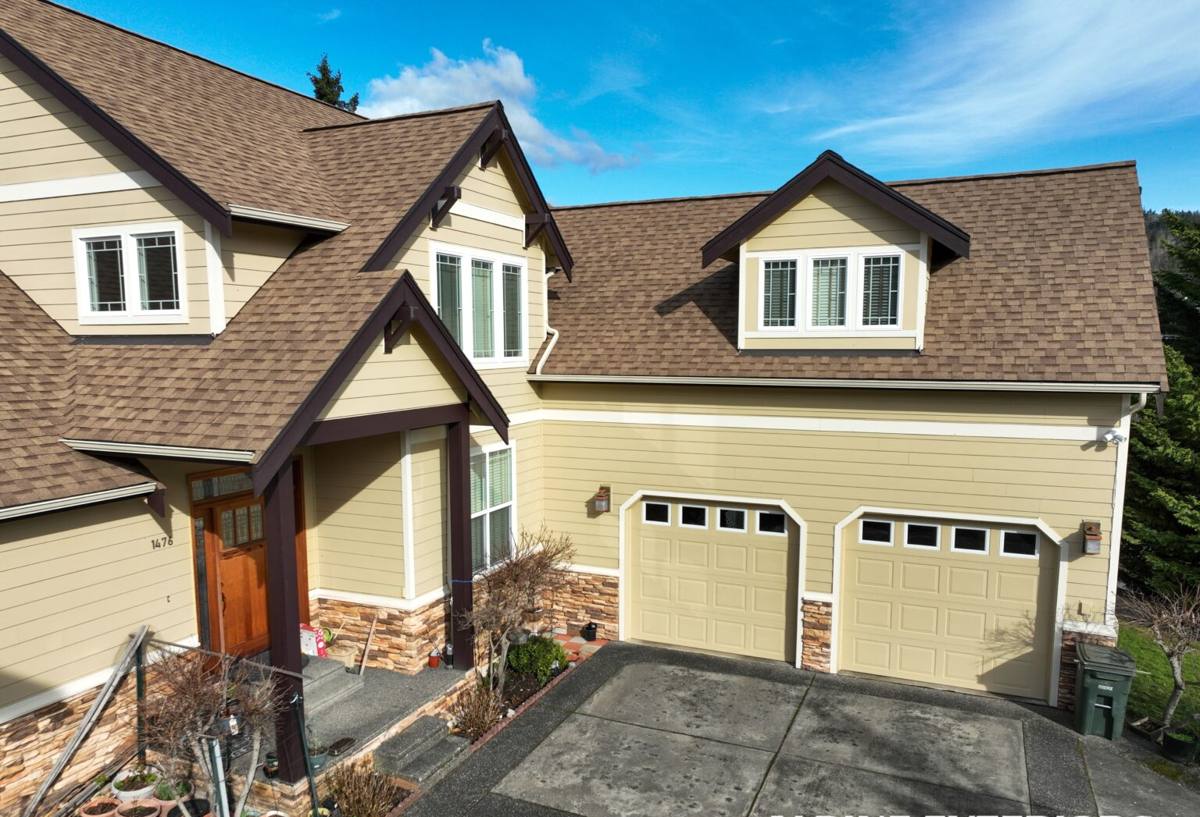
Signs a Coquina Key Home Needs a New Roof, Not a Repair
Not every roofing problem calls for full replacement. But there's a point where patching stops making financial sense and a new roof becomes the honest recommendation. Common signs we look for on homes in this area include:
- Granule loss heavy enough that shingles look patchy or bald in sun-exposed sections of the roof
- Curling, cupping, or cracked shingles — usually a sign the roof has taken years of UV and heat cycling
- Soft spots or visible sagging in the roof deck, often found during a walk-on inspection
- Rusted or corroding flashing, drip edge, or exposed fasteners, which shows up faster this close to the water
- Recurring leaks in the same area even after repairs, which usually means the underlayment has failed
- A roof that's 18–25+ years old (asphalt shingle) or showing widespread wear regardless of age
If a roof is under 10–12 years old and the damage is isolated, a targeted repair is usually the right call and we'll say so. When the underlayment, decking, or flashing system is failing broadly, repairs become short-term fixes on a roof that's already compromised — and that's when we recommend replacement.
What a Correct New Roof Installation Actually Involves
It Starts Below the Shingles
The materials on top get the attention, but most roof failures near the water trace back to what's underneath. A correct installation includes:
- Full tear-off and inspection of the roof deck — soft or delaminated plywood gets replaced, not covered over
- A synthetic or self-adhering underlayment rated for wind-driven rain, installed with proper overlap
- Ice-and-water-shield-style membrane at valleys, eaves, and penetrations, even though we don't deal with ice — the same product resists wind-driven rain intrusion
- New flashing at every roof-to-wall transition, chimney, skylight, and vent penetration — reused flashing is one of the most common causes of "new roof, old leak"
- Fastening patterns and nail counts that meet Florida Building Code wind requirements for the property's specific wind zone, not just the manufacturer's minimum
Ventilation Matters as Much as the Shingles
A hot, poorly ventilated attic shortens shingle life and can void manufacturer warranties. Every new roof install should include a real look at intake and exhaust ventilation — ridge vents, soffit vents, or powered ventilation sized correctly for the attic space — not just a cosmetic upgrade to what was there before.
Roofing Material Options for Coquina Key Homes
There's no single "best" roofing material — the right choice depends on the home's roof pitch, budget, HOA or deed restrictions if applicable, and how much salt-air exposure the property has. Here's an honest comparison of the systems we most often install in this part of St. Petersburg:
| Material | Typical Lifespan | Wind Performance | Salt-Air Considerations |
|---|---|---|---|
| Architectural asphalt shingle | 20–30 years | Good, rated up to 130+ mph with proper install | Standard choice; galvanized/coated fasteners recommended near water |
| Standing seam metal | 40–50+ years | Excellent, among the highest wind ratings available | Coastal-grade coatings needed to resist salt corrosion long-term |
| Concrete or clay tile | 40–50+ years | Very good when fastened per code; individual tiles can dislodge in extreme wind | Tile itself resists salt well; underlayment beneath it is the real wear point |
| Modified bitumen / low-slope systems | 15–20 years | Good when installed and sealed correctly | Common on flat additions/porches; seams need regular inspection |
For many Coquina Key homes with traditional gable or hip roofs, architectural shingle remains the most cost-effective option that still holds up well to the local climate. Metal and tile cost more up front but spread that cost over a much longer service life — worth discussing if you're planning to stay in the home long-term.
Our Installation Process
- On-site inspection and estimate — we walk the roof, check the attic, and give you an honest assessment of repair-versus-replace before we talk materials
- Material selection — we go over the trade-offs above based on your roof shape, budget, and how long you plan to be in the home
- Permitting — we pull the required City of St. Petersburg or Pinellas County permit and schedule the inspections it requires
- Tear-off and deck inspection — old roofing comes off completely so the deck can actually be seen and repaired where needed
- Underlayment, flashing, and ventilation install — the part of the job that determines whether the roof performs in a storm
- Final material installation — shingles, tile, or metal installed to code-required fastening specs, not just manufacturer minimums
- Cleanup and magnetic sweep — job site and yard cleared of debris and stray fasteners
- Final inspection and paperwork — including the documentation you'll want for insurance and, where applicable, wind mitigation credits
Permits, Wind Mitigation, and Insurance
A new roof in Pinellas County requires a permit, and the finished work has to pass inspection before it's closed out. Skipping that step — or hiring someone who skips it — can create real problems later: insurers can deny claims tied to unpermitted work, and it becomes a disclosure issue when you sell the home. We handle the permit process as a standard part of every installation, not an add-on.
A new roof is also one of the more effective ways to lower a wind mitigation insurance premium, since insurers price coverage partly on roof age, covering, and how well it's fastened down. After installation, we provide the documentation homeowners typically need for their insurer to reassess wind mitigation credits — it's worth asking your agent what specifically they'll require.
Why a Crew That Already Works Coquina Key Matters
Roofing a canal-front home isn't identical to roofing one a few miles inland. Crews who regularly work this neighborhood already understand the exposure profile — the corrosion rate on exposed metal, the wind loading on a mostly open waterfront lot, and the access considerations on lots with docks, seawalls, or tight side-yard setbacks common in this part of St. Petersburg. That familiarity shows up in small decisions during the job: fastener and flashing material choices, where extra sealant or membrane is worth the time, and how the roof edge details are handled on a home that takes wind from multiple directions off the water.
It also matters for scheduling. A local crew that knows Pinellas County permitting offices and inspectors moves your project through the process with fewer delays than a contractor who's unfamiliar with local requirements.
Protecting Your New Roof: A Homeowner's Checklist
A properly installed roof still needs basic upkeep, especially this close to open water. A short annual routine goes a long way:
- Have the roof visually inspected after any named storm, even if there's no obvious damage
- Keep gutters and downspouts clear so water isn't backing up under the roof edge
- Rinse off heavy salt buildup on metal flashing, vents, and fasteners when it's visible
- Trim back any overhanging branches that can abrade shingles or tile in wind
- Watch for granule buildup in gutters, a sign shingles are wearing faster than expected
- Keep a copy of your roof's permit, warranty, and installation documentation for insurance purposes
None of this replaces a professional inspection, but it catches small issues before they become leaks.
Get a Free, No-Pressure Estimate
If your Coquina Key roof is showing its age, or you just want an honest opinion on whether repair or replacement makes more sense, we're happy to take a look. Fill out the form below for a free estimate — no pressure, no obligation, just a straight assessment from a crew that knows what this neighborhood's roofs are up against.