 St. Petersburg Window
 Roof Repair in Childs Park: Built for Pinellas County Weather
Childs Park is one of St. Petersburg's older, established neighborhoods, and that means a lot of the roofs here have already been through decades of Florida weather. Hurricane-force wind events, sustained summer heat with intense UV exposure, sideways wind-driven rain, and the salt air that drifts in off Tampa Bay and the Gulf all work on a roof at the same time, year after year. None of those forces is dramatic on its own in any given week, but stacked together over the life of a roof, they're what turns a small, fixable problem into a bigger one if it sits too long.
A roof repair here isn't just patching a hole and moving on. It's understanding how Pinellas County's climate specifically attacks different roofing materials and fastening systems, and repairing in a way that holds up to the next storm season rather than just the next rain shower.
Why Childs Park Roofs Take a Different Kind of Beating
Wind and Storm Exposure
St. Petersburg sits in a hurricane-prone corridor, and even when a storm doesn't make direct landfall nearby, the outer wind bands and gusts still put real uplift pressure on shingles, tile, and flashing. Wind doesn't just tear roofing off in dramatic fashion — more often it loosens fasteners, lifts shingle tabs just enough to break the seal, or works flashing loose at a joint. That kind of damage can be invisible from the ground for months until it turns into an active leak.
UV and Heat Cycling
Florida's sun is intense and consistent almost all year. UV exposure breaks down the oils and asphalt compounds in shingles over time, making them brittle. Add in the daily heat-up and cool-down cycle, especially through summer thunderstorm season, and roofing materials expand and contract constantly. That cycling is what causes granule loss, cracking, and sealant failure well before a roof's rated lifespan is up.
Wind-Driven Rain
Rain that comes in sideways during a storm doesn't behave like a normal vertical rainfall. It can get pushed up and under shingle edges, around vent boots, and into any gap in flashing that would never leak under normal conditions. This is one of the most common reasons a roof that "looked fine" suddenly has an active interior leak during a bad storm.
Salt Air Corrosion
Being close to the Gulf and the Bay means metal roofing components — flashing, fasteners, vent stacks, drip edge — are exposed to airborne salt. Over time this accelerates corrosion, especially on lower-grade or improperly coated metal, which is why the quality of flashing and fastener materials matters as much as the shingles themselves.
Common Roof Problems We See in This Area
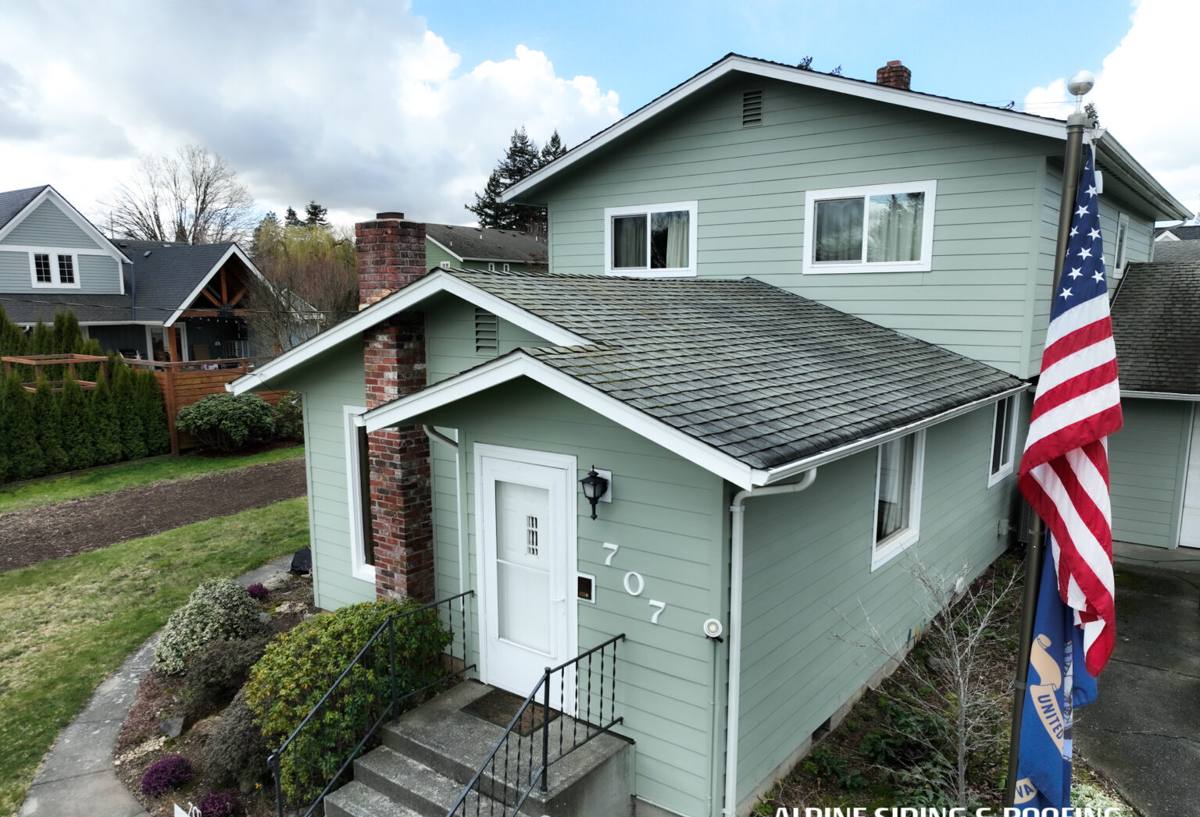
Childs Park has a mix of older single-family homes and ranch-style houses typical of established St. Petersburg neighborhoods, many with roofs that have been recoated, patched, or partially replaced over the years. The most common issues we run into on repair calls in this kind of neighborhood include:
- Cracked, curling, or missing shingles from UV breakdown and wind lift
- Failed flashing around chimneys, skylights, and roof-to-wall transitions
- Deteriorated pipe boots and vent seals letting water track down into the attic
- Soft or discolored decking under a section of roof, usually a sign of a slow leak that's been present longer than the homeowner realized
- Granule loss leaving shingles thin and vulnerable in sun-heavy areas of the roof
- Debris damage from wind-blown branches or storm debris after a hurricane or tropical system
- Ponding or poor drainage on low-slope sections common on older additions or porch roofs
What a Proper Roof Repair Actually Involves
A repair that's done right starts before anyone gets on the roof. It starts with correctly diagnosing what's actually wrong, not just where the water is showing up inside the house — water can travel along decking or framing before it drips somewhere visible, so the entry point is often several feet from the stain on the ceiling.
Diagnosis First
We look at the whole roof system, not just the spot someone points at. That includes checking shingles or tile in the surrounding area, flashing at every penetration and transition, the condition of the underlayment where accessible, and the decking itself for soft spots or rot. A leak repair that only addresses the symptom and not the cause tends to come back, often in a worse spot.
Matching Materials Correctly
Repairs need to use compatible materials to the existing roof — matching shingle profile and, where possible, color, using flashing metal that won't create galvanic corrosion against existing components, and sealants rated for Florida UV and heat exposure rather than generic caulk that will crack and fail within a season or two.
Addressing the Cause, Not Just the Symptom
If a leak is caused by a flashing detail that was never installed correctly, patching the shingle above it without correcting the flashing just delays the same failure. Good repair work fixes the underlying detail so the same spot doesn't need attention again next storm season.
Our Roof Repair Process
- Inspection and diagnosis — We assess the roof, identify the actual source of the problem, and check surrounding areas for related wear or damage.
- Honest assessment — We explain what we found in plain terms, including whether it's a straightforward repair or a sign of a larger issue worth knowing about.
- Written scope and estimate — Before any work starts, you know exactly what's being repaired and roughly what it will cost.
- Repair work — We remove and replace damaged materials, correct flashing and sealant details, and match the existing roof as closely as possible.
- Cleanup and final check — We clear debris and do a final walk of the repaired area before considering the job done.
Repair vs. Replacement: How We Help You Decide
Not every roof problem in Childs Park needs a full replacement, but not every problem should be patched indefinitely either. Here's generally how we think through it:
| Factor | Leans Toward Repair | Leans Toward Replacement |
|---|---|---|
| Age of roof | Roof is within its expected service life | Roof is at or past its rated lifespan |
| Extent of damage | Isolated to one section or detail | Widespread across multiple roof planes |
| Decking condition | Solid, no rot found during inspection | Soft or rotted decking in multiple areas |
| Storm history | Recent single event, otherwise sound roof | Cumulative damage from multiple past storms |
| Insurance situation | Damage doesn't meet claim thresholds | Damage is significant enough to warrant a claim |
We'll always tell you honestly which side of that line your roof is on. A repair that's likely to fail again within a year or two isn't a good use of your money, and we won't recommend one just to get a smaller job.
Roofing Material Considerations for This Climate
Since most repair work involves matching or working around existing materials, it helps to understand how the common roofing types perform under Pinellas County conditions:
| Material | Typical Strengths Here | What to Watch For |
|---|---|---|
| Asphalt shingle | Cost-effective, widely available for repair matching | UV-driven granule loss and wind-lift over time |
| Concrete or clay tile | Handles heat and UV well, long-lasting | Cracking from impact; flashing and underlayment need care |
| Metal roofing | Strong wind performance, long service life | Fastener and coating quality matters near salt air |
| Low-slope / flat sections | Common on additions, porches, older ranch homes | Drainage and ponding need regular attention |
Signs It's Time to Call for a Roof Inspection
Many roof problems in this area start small and stay hidden until they've caused interior damage. It's worth having a roof looked at if you notice any of the following:
- Water stains on ceilings or upper interior walls, especially after heavy rain
- Shingles that look curled, cracked, or are missing after a windy day
- Granules collecting in gutters or at downspout outlets
- Visible sagging in any section of the roofline
- Daylight visible through the attic decking or roof boards
- A musty smell in the attic, which can indicate trapped moisture
- It's been several years since your last professional roof inspection
Why It Matters to Hire a Crew That Already Works in Childs Park
Roofing work in St. Petersburg isn't the same as roofing work in a drier, calmer climate. A crew that regularly works Pinellas County neighborhoods understands how local building patterns, common roof ages, and this area's specific storm exposure interact — and that experience shows up in the details: flashing choices that account for salt air, fastening patterns that hold up to wind events, and sealants that won't fail after one summer of heat cycling. It also means faster, more accurate diagnosis, because we've seen how these same issues tend to show up on homes like yours throughout the surrounding area.
Local presence matters after the repair, too. If a question comes up or something needs a follow-up look, you're dealing with a crew that's a short drive away and familiar with your home, not a company that only shows up once and disappears.
After the Repair: Keeping Your Roof in Good Shape
A repair is a good opportunity to get ahead of future problems rather than just reacting to the next one. A few habits go a long way in this climate:
- Have your roof inspected after any major storm, even if you don't see obvious damage
- Keep gutters and downspouts clear so water drains away properly instead of backing up under roofing edges
- Trim back tree limbs that overhang the roof to reduce debris and abrasion damage
- Schedule a general roof check every year or two, since small issues are far cheaper to fix than water damage to decking, insulation, or interior finishes
If you're dealing with a leak, storm damage, or just want a second opinion on the condition of your roof, we're happy to take a look. We offer free, no-pressure estimates for Childs Park homeowners — fill out the form below and we'll get back to you with an honest assessment of what your roof actually needs.