 St. Petersburg Window
 Why Childs Park Roofs Wear Differently Than You'd Expect
Childs Park is an established neighborhood, which means a lot of its homes are carrying roofs that have already been through years, sometimes decades, of Florida weather. That history matters. A shingle roof here isn't just fighting one thing — it's fighting a combination of hurricane-force wind gusts, near-constant UV exposure, wind-driven rain that finds every weak seam, and salt air drifting in off Tampa Bay that slowly works on fasteners and flashing. None of those factors alone is unusual for a Florida roof. Stacked together, year after year, they're why a shingle roof installed correctly in St. Petersburg can last its full rated life, and why one installed with shortcuts often doesn't make it halfway there.
We work Childs Park regularly, so we're not guessing at how local roofs age — we see the same failure patterns on similar homes block after block: shingle edges that lift first on the side that takes the prevailing wind, granule loss that shows up faster on south- and west-facing slopes, and nail pops around ridge lines where a roof has flexed in storms over the years. That pattern recognition changes how we inspect and how we install, because we're building for the specific way this neighborhood's roofs actually fail, not for a generic checklist.
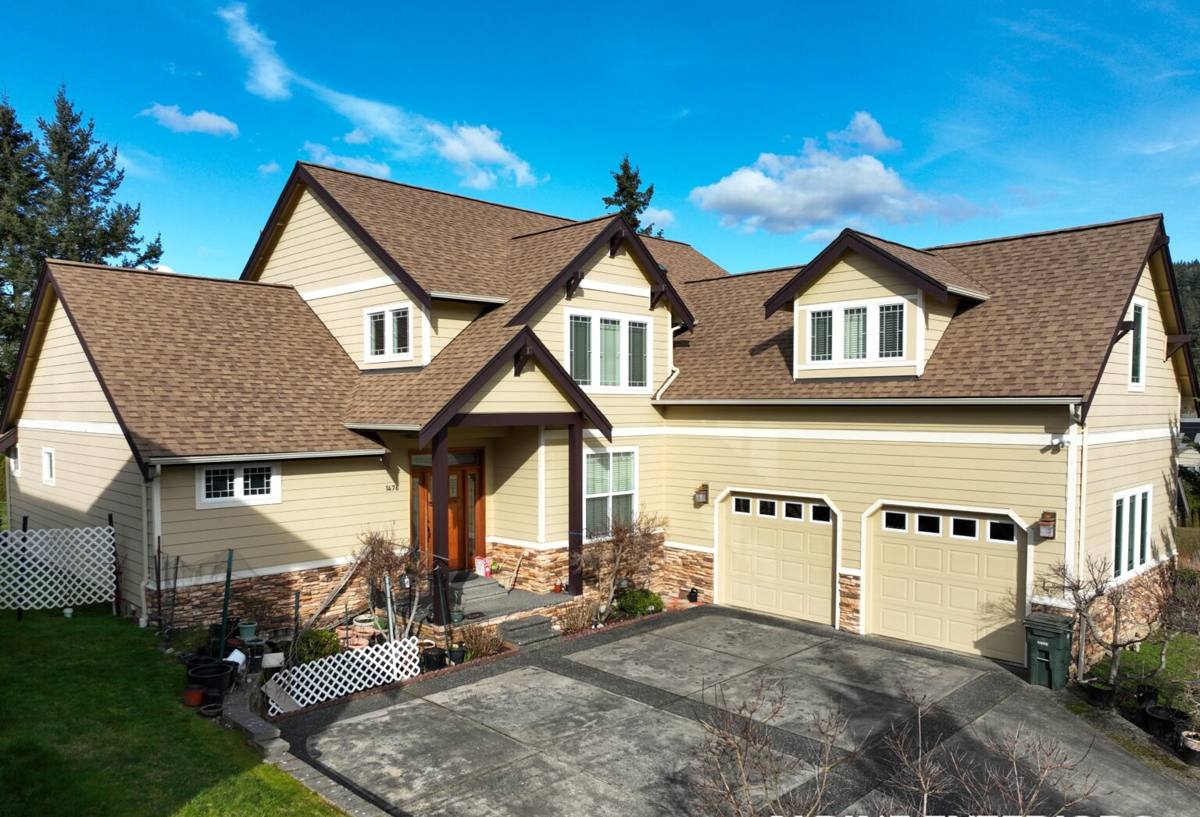
What a Correct Asphalt Shingle Roof Needs in This Climate
Wind Resistance Starts Underneath the Shingles
The shingle brand and style matter less than what's underneath and how everything is fastened. A roof's wind performance comes from the whole assembly working together: the deck attachment, the underlayment, the starter strip, the nailing pattern, and the shingle's own wind rating. Skip or shortcut any one of those and the rest doesn't matter much when a gust gets under an edge.
UV and Heat Are a Slow, Constant Load
Florida sun doesn't cause dramatic failures — it causes gradual ones. UV breaks down the asphalt in shingles over time, and heat cycling (hot days, cooler nights) makes shingles expand and contract, which stresses the seal strips holding them together. Proper attic ventilation matters here more than most homeowners realize, because trapped heat under the deck accelerates that aging from underneath as well as from the sun above.
Wind-Driven Rain Needs More Than Shingles Alone
In a straight-down rain, shingles alone can shed water fine. In wind-driven rain — which is the normal condition during a lot of our storms — water gets pushed sideways and upward under shingle edges, around penetrations, and along valleys. That's why underlayment selection, valley treatment, and flashing detail work are just as important as the shingles themselves for a roof that has to perform in actual St. Petersburg weather, not ideal weather.
Salt Air Targets Metal, Not Just Shingles
Being close enough to the Gulf and Tampa Bay to get salt air means metal components age faster here than they would inland. Flashing, drip edge, nails, and vents all need to be corrosion-resistant materials installed correctly, because a shingle roof rarely fails from the shingles themselves first — it fails at the metal details around them.
Signs a Childs Park Roof Needs a Closer Look
Most shingle roof problems give warning signs well before there's an active leak inside the house. Catching them early is almost always cheaper than waiting.
- Shingles that look curled, cupped, or lifted at the edges, especially on the side of the roof facing prevailing winds
- Bald or shiny patches where granules have worn off, exposing the darker asphalt underneath
- Granules collecting in gutters or at the base of downspouts
- Cracked, missing, or visibly displaced shingles after a storm
- Dark streaking or staining, which is usually algae rather than a structural problem, but worth noting
- Soft spots, sagging, or visible unevenness across a roof plane
- Rusted or lifted flashing around chimneys, vents, or where the roof meets a wall
- Daylight visible through the roof deck from inside the attic
- Water stains on ceilings or in the attic, even faint ones
None of these by itself always means a full replacement. Sometimes it's a targeted repair. The point of an inspection is figuring out which one you're actually dealing with before you spend money on the wrong fix.
How We Approach a Childs Park Roofing Job
1. Inspection and Honest Assessment
We start on the roof and in the attic, not just with a drive-by look from the ground. We check the deck condition, ventilation, existing flashing, and the shingles themselves, then tell you plainly whether you're looking at a repair or a replacement — and why.
2. A Written Scope You Can Actually Read
Before any work starts, you get a clear scope: what's being removed, what's being installed, what underlayment and flashing materials are specified, and what the wind and water protection details will be. No vague line items.
3. Tear-Off Done Right
For full replacements, we remove old roofing down to the deck, not layer over existing shingles. That lets us actually inspect and repair the deck itself, which is where a lot of hidden problems live on older Childs Park homes.
4. Deck Repair Before Anything Goes Back Down
Any soft, rotted, or damaged decking gets replaced before underlayment goes on. Installing a new roof over a compromised deck is one of the most common ways a "new roof" fails early, and it's not something we skip to save time.
5. Underlayment, Flashing, and Nailing to Match the Climate
This is where wind and rain performance actually gets built in — underlayment appropriate for wind-driven rain exposure, corrosion-resistant flashing and drip edge for the salt air, and a nailing pattern that matches the shingle manufacturer's high-wind specifications, not just the minimum.
6. Final Walkthrough and Cleanup
We walk the finished roof with you, cover warranty paperwork, and do a magnetic nail sweep of the property before we consider the job done.
Shingle Options and What Actually Drives Cost
Asphalt shingles come in a few tiers, and the right one depends on your budget, how long you plan to be in the home, and how much wind performance you want built in beyond code minimum.
| Shingle Type | Typical Wind Rating | Best For |
|---|---|---|
| 3-tab (standard) | Lower end of rated range | Budget-focused replacements, shorter hold periods |
| Architectural / dimensional | Mid-to-high rated range | Most Childs Park homes — better wind and hail resistance, longer expected service life |
| Impact-rated architectural | Highest available for asphalt | Homeowners prioritizing storm resilience and possible insurance premium credit |
Beyond the shingle tier itself, a few other factors move the price on any given job:
| Factor | Why It Affects Cost |
|---|---|
| Roof pitch and access | Steeper or harder-to-access roofs take longer and require more safety setup |
| Number of layers being removed | Tear-off of multiple existing layers costs more in labor and disposal |
| Deck condition | Rotted or damaged decking found during tear-off adds material and labor |
| Number of penetrations and valleys | Chimneys, skylights, and multiple valleys each need individual flashing work |
| Underlayment and flashing spec | Higher-performance underlayment and corrosion-resistant metal cost more upfront but hold up better here |
We'll walk you through where your specific roof lands on these factors during the estimate, so the number you get reflects your actual roof, not a generic average.
Why a Crew That Already Works Childs Park Matters
Roofing quality comes down to details that don't show up in a sales pitch — nailing pattern, flashing technique, underlayment choice, ventilation. A crew that has installed and repaired roofs on similar homes throughout this part of St. Petersburg has already seen how those details hold up against real Pinellas County storms, not just against a spec sheet. That translates into fewer surprises during the job and a roof that's built for the conditions it will actually face, not a best-guess installation.
There's also a practical side to working local: faster response for inspections, easier scheduling around weather windows, and a crew that's not driving in from across the region every time a follow-up visit is needed. If a question comes up six months or two years after installation, we're still nearby and still standing behind the work.
Permits, Codes, and Insurance Considerations
Roofing work in Pinellas County requires a permit and inspection, and current Florida Building Code sets minimum requirements for wind resistance, underlayment, and attachment that go beyond what older roofs in the area were originally built to. We pull the required permits and build to current code as a baseline, not as an afterthought.
It's also worth knowing that many insurance carriers offer premium credits for wind mitigation features — things like impact-rated shingles, secondary water barriers, and improved roof-to-wall connections. We can point out where your roof qualifies for these during the estimate, though the final credit determination is always between you and your insurer.
Caring for a New Shingle Roof in St. Petersburg's Climate
A correctly installed shingle roof still benefits from basic upkeep in this climate:
- Keep gutters and valleys clear so water doesn't pool or back up under shingle edges
- Trim overhanging branches to reduce debris buildup and abrasion during wind
- After any significant storm, do a visual check from the ground for obviously missing or displaced shingles
- Have the roof professionally inspected periodically, especially as it approaches the midpoint of its expected service life
- Address small issues — a lifted shingle, a loose flashing edge — promptly rather than waiting for them to become leaks
None of this is complicated, but it's the difference between a roof that reaches its full expected lifespan and one that doesn't.
Get a Straight Answer on Your Childs Park Roof
Whether you're dealing with visible damage, an aging roof you're not sure about, or you're just planning ahead, we're happy to take a look and give you an honest read on where things stand. The estimate is free, there's no pressure attached to it, and you'll get a clear answer either way — use the form below to get started.