 St. Petersburg Window
 Window Replacement Built Around Bartlett Park's Homes and Weather
Bartlett Park is one of the older, closer-in neighborhoods in St. Petersburg, and that history shows up in the windows. A lot of homes here still have original single-pane wood or early aluminum windows, or a mismatched mix from decades of piecemeal replacements. Some houses have been updated room by room over the years, so it's common to walk a home and find three or four different window types and ages under one roof. Replacing windows correctly in this neighborhood means working with what's actually there — the age of the house, the way it was built, and what Pinellas County's climate has already done to it — not just swapping in whatever's on the truck.
This page covers window replacement specifically for Bartlett Park: what the local climate demands, what a correct installation actually involves, and how we approach the job from first look to final walkthrough.
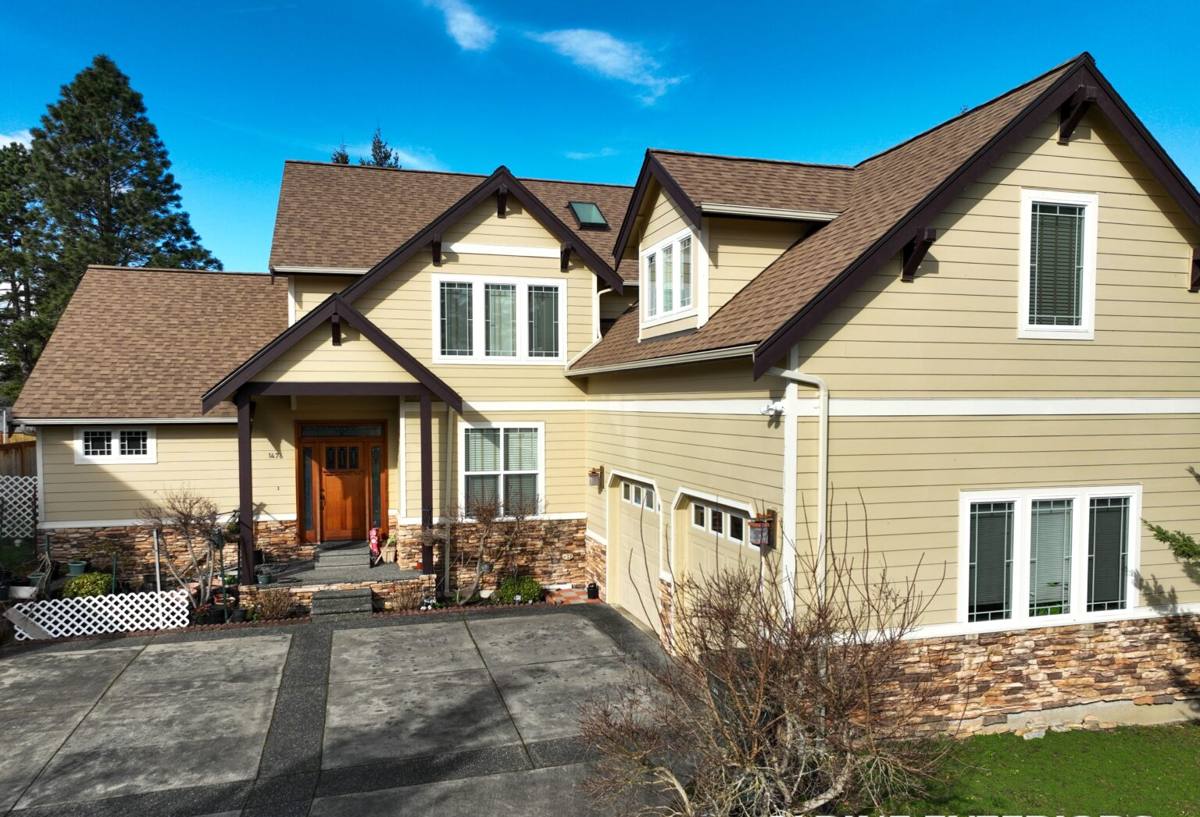
What St. Petersburg's Climate Does to Windows Over Time
Every window in this part of Florida is fighting the same combination of stresses, year-round, without a break:
- Hurricane-force wind and wind-driven rain that finds weak seals, old glazing putty, and warped frames and pushes water straight through them.
- Intense, near-constant UV exposure that breaks down vinyl, degrades seals, and yellows or clouds certain frame materials faster than in most other parts of the country.
- Salt air drifting in off Tampa Bay and the Gulf, which corrodes untreated hardware, fasteners, and lower-grade aluminum over time.
- Heat and humidity cycling that stresses seals and can lead to condensation between panes once a seal starts to fail.
None of that is unique to Bartlett Park, but it's worth saying plainly: a window that would last 25+ years in a milder climate can show real wear here in half that time if it's the wrong product or installed without attention to sealing and drainage. That's the baseline every recommendation on this page is built around.
Signs a Bartlett Park Home Needs Window Replacement
Not every old window needs to go — some just need better maintenance or a re-glaze. But a few signs usually mean replacement is the right call:
- Windows that are painted shut, warped, or won't stay up without a prop
- Visible daylight or a draft around the frame even when the window is latched
- Fogging or a permanent haze between panes of double-pane glass (a failed seal — this can't be cleaned out)
- Wood frames that are soft, cracked, or show rot at the bottom rail or sill
- Aluminum frames that are pitted, chalky, or corroded around the hardware
- Noticeably higher cooling bills than a similar-sized home nearby, with no other obvious cause
- Single-pane glass with no impact rating, especially on a home that's never had windows rated for wind-borne debris
If a home has a mix of window ages, it's common to replace in phases — street-facing or most-exposed windows first, then the rest as budget allows. We'll tell you honestly which windows are still doing their job and which ones are actually costing you money.
What a Correct Installation Actually Involves
The window unit itself is maybe half the job. The other half — the part that determines whether it holds up through hurricane season after hurricane season — is how it's installed. A correct job includes:
Opening Prep
Removing the old window fully (not just cutting it out and covering gaps), checking the framing and sill underneath for rot or moisture damage, and repairing that structure before anything new goes in. Installing a new window over a compromised opening just hides the problem.
Flashing and Water Management
Proper flashing tape and sill pans direct any water that does get past the window back out, instead of letting it sit in the wall cavity. This step is invisible once the job is done, which is exactly why it's the step that gets skipped by crews in a hurry.
Sealing
The right sealant, applied correctly around the full perimeter — not just a bead of caulk on the outside trim. Gaps get properly insulated, not just stuffed with excess foam.
Fastening and Load Path
Windows in a wind-borne debris region need to be fastened to meet the wind load rating on the product's label, using the fastener type, spacing, and embedment the manufacturer specifies — not a generalized "close enough" pattern.
Finish and Function Check
Every window operates smoothly, locks fully, and is sealed and trimmed out cleanly before we call the job done.
Window Materials and Types: What Actually Holds Up Here
There's no single "best" window for every Bartlett Park home — it depends on the house's age, style, and budget. Here's how the common options compare for this climate:
| Material | How It Handles Our Climate | Trade-Offs |
|---|---|---|
| Vinyl | Good energy performance, low maintenance, widely available in impact-rated versions | Can discolor or become brittle over many years of intense UV if it's a lower grade product; quality varies a lot between manufacturers |
| Aluminum | Strong, holds up structurally, traditional look for older Florida homes | Conducts heat, so energy performance is weaker unless thermally broken; needs corrosion-resistant hardware near the coast |
| Fiberglass/composite | Very stable through heat and humidity cycling, holds paint well, long service life | Higher upfront cost than vinyl |
| Wood (or wood-clad) | Fits historic or Craftsman-style homes, which some Bartlett Park houses are | Highest maintenance burden in this climate — needs consistent upkeep to resist moisture and rot; we're honest with clients about this before they commit |
For glass, we recommend impact-rated, Low-E insulated glass on essentially every job in this area. It's the single biggest factor in how a window performs against both storms and everyday heat gain, and it's not a place to cut corners to save a little on the front end.
Our Process for Bartlett Park Homeowners
- On-site assessment — We look at each window individually, not just the house as a whole. Age, frame condition, and how exposed each opening is to sun and weather all factor into the recommendation.
- Honest scope and options — You get a clear breakdown of what needs replacing now, what can wait, and what materials fit your budget and the home's style.
- Accurate measurement and ordering — Every opening is measured individually; older homes are rarely perfectly square, and assuming otherwise leads to bad fits.
- Removal and opening repair — Old windows come out fully, and any rot, moisture damage, or structural issue underneath gets fixed before the new unit goes in.
- Installation to code — Flashing, sealing, and fastening done to manufacturer spec and current Florida Building Code wind requirements for our region.
- Final walkthrough — Every window operates correctly, locks fully, and is cleaned up before we consider the job finished.
Permits and Wind Requirements
Window replacement in St. Petersburg requires a permit, and Pinellas County sits in Florida's wind-borne debris region, which means replacement windows need to meet current wind load and impact requirements under the Florida Building Code — not whatever standard was in place when the original windows went in decades ago. We handle the permitting and make sure the products we install carry the right approvals for this area, so you're not left sorting that out after the fact, and so your homeowners insurance has accurate documentation on file if you ever need it.
Why Hiring a Crew That Already Works This Neighborhood Matters
Bartlett Park isn't a cookie-cutter subdivision. Homes here range from early-1900s construction to mid-century additions to more recent updates, often on the same block. A contractor who's already worked in the neighborhood has a feel for the range of framing conditions, opening sizes, and quirks that come with houses of that age — and isn't guessing or relearning it on your dime. That familiarity also means fewer surprises mid-project: rot behind old trim, out-of-square openings, or wiring and plumbing routed in unexpected places near a window opening are things we've already seen and know how to work around cleanly.
Choosing a Window Replacement Contractor: A Practical Checklist
- Are they licensed and insured to do this work in Florida, and will they show you proof without you having to ask twice?
- Do they pull permits themselves, or ask you to pull one under your own name (a red flag)?
- Will they measure and inspect every opening individually, rather than quoting off a quick walkthrough?
- Do they explain wind load and impact ratings in plain terms, and can they tell you the specific rating of the product they're proposing?
- Is the written quote itemized — product line, glass package, install scope — or is it one vague lump sum?
- Do they stand behind both the product warranty and their own workmanship, and can they explain the difference between the two?
If you're weighing window replacement for a Bartlett Park home, we're happy to take a look and give you a straight, no-pressure assessment of what your windows actually need. Use the form below to request a free estimate — there's no obligation, and no pressure to decide on the spot.