 St. Petersburg Window
 Bartlett Park Homes Need a Roof Built for This Climate, Not Just Any Roof
Bartlett Park is an older, established St. Petersburg neighborhood, and a lot of the housing stock reflects that — mid-century block homes, additions and re-roofs layered on over the decades, and roof decking that has seen more Florida summers than most of the crews who show up to bid the job. When it's time for a new roof here, the goal isn't just to put fresh shingles or metal over what's there. It's to correct whatever the last roof got wrong and build something that can actually stand up to Pinellas County weather for the next two to three decades.
That weather is not gentle. Hurricane-force wind events are a real, recurring risk on this part of the Gulf coast, not a once-in-a-lifetime scenario. Between storms, the sun does its own damage — Florida gets some of the most intense year-round UV exposure in the country, and it breaks down roofing materials from the top down whether a storm ever shows up or not. Add wind-driven rain that finds every gap in flashing and underlayment, plus salt air drifting in off Tampa Bay that accelerates corrosion on fasteners and metal components, and you've got four separate forces working against a roof at the same time. A roof installed without accounting for all four is a roof that will underperform, regardless of what material is on top.
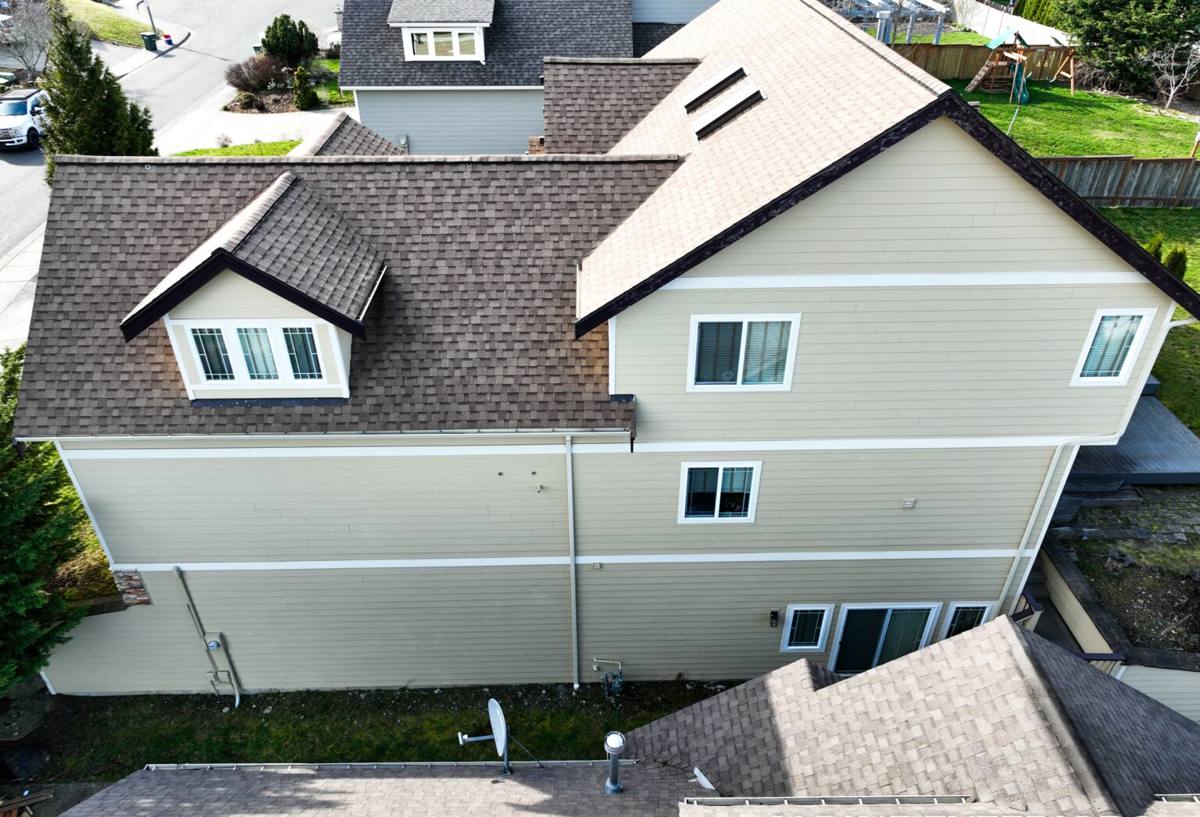
What a Correct New Roof Installation Actually Involves
A new roof is a system, not a single layer. The shingles or panels are the part everyone sees, but most roof failures we get called out to inspect started underneath the surface — in the decking, the underlayment, or the flashing details. Doing the installation correctly means getting every layer right, in order.
Deck Inspection and Repair
Before anything new goes down, the existing roof deck gets inspected. In a neighborhood with as much older housing as Bartlett Park, it's common to find sections of plywood or plank decking that have taken on moisture over the years — sometimes from a slow flashing leak, sometimes from age and humidity working through the attic. Soft, delaminated, or rotted decking has to be cut out and replaced before a new roof goes on top of it. Skipping this step is one of the most common shortcuts in the industry, and it's the reason some "new roofs" fail within a few years — the covering is new, but it's fastened to compromised wood underneath.
Underlayment and Water Barrier
This is the roof's actual waterproofing layer, and in a wind-driven-rain climate it matters as much as the visible roofing material. Self-adhered underlayment at eaves, valleys, and penetrations gives the roof a sealed backup layer so that if wind ever drives rain up under the shingles or panels — which happens in strong storms — the deck stays dry.
Flashing at Every Penetration
Chimneys, skylights, plumbing vents, wall-to-roof transitions, and valleys are where roofs leak. New step flashing, counterflashing, and pipe boots, correctly integrated with the underlayment rather than just caulked over the old flashing, is non-negotiable on a proper installation.
Fastening and Wind Rating
How a roof is fastened determines how it performs in wind, and this is where a lot of corner-cutting happens because it's invisible once the job is done. Correct nail placement, nail count, and fastener type — matched to the manufacturer's high-wind installation instructions — is what separates a roof that holds together in a tropical storm from one that doesn't.
Choosing a Roofing Material for Bartlett Park's Conditions
There's no single "best" roofing material for St. Petersburg — the right choice depends on the home's structure, the budget, and how long the homeowner plans to stay. Here's how the common options stack up against this area's specific conditions.
| Material | Wind Performance | UV / Heat Behavior | Salt Air / Coastal Durability | Typical Lifespan Here |
|---|---|---|---|---|
| Architectural asphalt shingle | Good, when installed to high-wind spec with correct nailing | Granule loss over time from constant sun; quality varies by product line | Moderate — fasteners and flashing need corrosion-resistant hardware | 15-25 years |
| Standing seam metal | Very strong wind uplift resistance with concealed fasteners | Reflects heat well, reduces attic temperature | Strong when coated and fastened correctly; needs marine-grade fasteners near the water | 30-50 years |
| Tile (concrete or clay) | Heavy and wind-resistant when properly fastened, but individual tiles can crack from debris impact | Excellent — doesn't degrade from UV | Good; underlayment failure is the more common issue, not the tile itself | 30-50 years (underlayment often needs earlier replacement) |
We don't push one material on every homeowner. We'll tell you honestly which option fits your roof's structure, your budget, and how long you plan to be in the home — and we'll explain the maintenance and warranty trade-offs of each rather than just selling the upgrade.
How Our Process Works, Start to Finish
- On-site inspection of the current roof, deck, attic ventilation, and any existing leak history
- Written estimate that breaks out material, labor, decking allowance, and any code-driven upgrades
- Permit pulled through the City of St. Petersburg / Pinellas County before work begins
- Tear-off of the old roofing down to the deck, with daily cleanup and magnetic sweep for nails
- Deck inspection and repair of any compromised sheathing before underlayment goes down
- Installation of underlayment, flashing, ventilation components, and the roofing material to manufacturer high-wind specifications
- Final walkthrough with the homeowner and documentation for insurance and wind mitigation purposes
Permitting, Wind Mitigation, and Insurance in Pinellas County
A new roof in St. Petersburg isn't just a construction project — it's also a paperwork project, and doing that part right saves homeowners real money. Pinellas County and the City of St. Petersburg require permits and inspections for roof replacement, and the installation has to meet current Florida Building Code wind-resistance requirements, which are stricter than what many older Bartlett Park roofs were originally built to.
Once the new roof is complete, it typically qualifies the home for an updated wind mitigation inspection. That inspection documents things insurers care about — roof shape, deck attachment, roof-to-wall connections, and the presence of a secondary water barrier — and can lower windstorm insurance premiums. We provide the documentation homeowners need to get that inspection done after the job wraps up.
Attic Ventilation Matters More Than Most Homeowners Realize
A new roof is also the right time to correct attic ventilation. In Florida's heat, an under-ventilated attic bakes shingles from underneath, shortens the roof's lifespan, and drives up cooling costs. Balanced intake and exhaust ventilation — soffit vents paired with ridge or off-ridge venting — is something we check and correct as part of every installation, not an upsell added after the fact.
What to Look for When Hiring a Roofing Crew for This Job
- Florida state roofing license and proof of liability and workers' comp insurance
- Willingness to pull the permit themselves rather than asking you to pull it
- A written scope that names the underlayment type, fastening pattern, and flashing plan — not just "shingles and labor"
- A plan for deck repair pricing before tear-off starts, so there's no surprise change order
- Manufacturer certification for the specific product line being installed, which affects warranty coverage
- Local references and a crew that's actually worked in your neighborhood, not just your zip code on paper
Why Working with a Crew That Knows Bartlett Park Matters
Roofing crews that regularly work this part of St. Petersburg know the housing stock — the deck thicknesses common to homes built in different decades, the flashing details that tend to fail first on this style of roof, and the permitting process at the local building department without having to learn it on your job. That familiarity shows up in fewer surprises during tear-off, more accurate estimates up front, and a faster permit and inspection cycle. It also means a crew that's still reachable and accountable years later if a warranty question comes up — a real advantage over an out-of-town storm-chasing outfit that won't be around after hurricane season.
If your Bartlett Park roof is past its service life, showing granule loss, curling, or you've had leaks after wind events, it's worth getting it looked at before a small problem becomes a deck-level one. We're glad to walk your roof, give you a straight read on its condition, and put together a written estimate — no pressure, no hard sell. The form below is the easiest way to get started.