 St. Petersburg Window
 Siding Replacement in Roser Park: A Different Kind of Job
Roser Park is one of St. Petersburg's oldest residential neighborhoods, and that history shows up in the housing stock: bungalows, Mediterranean Revival cottages, and early-20th-century frame homes tucked along shaded, uneven streets near Booker Creek. Replacing siding here isn't the same job as replacing siding on a 2005 subdivision house in a flat, treeless lot a few miles away. The homes are older, the framing and sheathing behind the existing siding is often original or has been patched more than once, and the tree canopy that makes the neighborhood beautiful also keeps moisture sitting on exterior walls longer than it would in full sun.
Add in what Pinellas County weather does to a house — hurricane-force wind gusts, wind-driven rain that gets pushed sideways into wall assemblies, UV exposure that runs nearly year-round instead of seasonally, and a steady drift of salt air off Tampa Bay — and you have a climate that is genuinely tough on exterior cladding. A siding replacement in Roser Park has to solve for the age of the house and the weather it sits in, not just swap old boards for new ones.
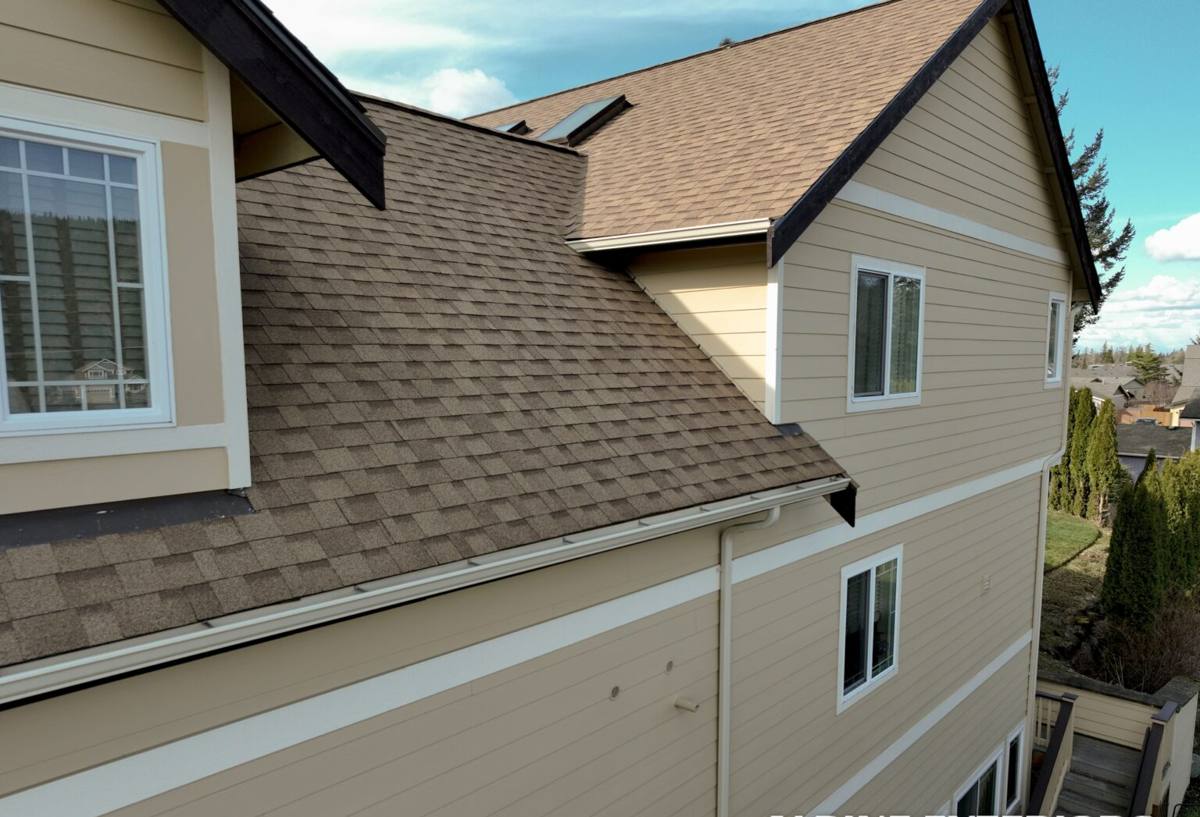
Why Older Roser Park Homes Are Harder on Siding Than New Construction
Decades of Repairs Hiding Behind the Surface
A home with an early-1900s to mid-century footprint has usually been re-sided at least once, sometimes twice, and often has electrical, plumbing, or HVAC penetrations added well after the original build. Every one of those penetrations is a potential water entry point if it wasn't properly flashed and sealed at the time. We routinely find this kind of thing only after the old siding comes off — which is exactly why tear-off and inspection matter more here than a quick over-the-top install.
Shade, Humidity, and Slower Drying
Mature tree cover is one of Roser Park's best features, but it changes how a house dries out after rain. Walls in full sun shed moisture fast; walls under a tree canopy stay damp longer, which gives mold, rot, and pest activity more time to work on wood-based siding and trim. That's a real factor when deciding what the new siding — and the water-resistive barrier behind it — needs to be able to handle.
Settling and Irregular Framing
Older frame construction has often shifted slightly over the decades. Corners aren't always perfectly square, and stud spacing isn't always textbook. That means a siding replacement crew working in this neighborhood needs to be comfortable scribing and fitting material to a real, imperfect wall — not just running factory-straight panels down a new stud wall.
What a Correct Siding Replacement Actually Involves
A siding job done right is mostly invisible once it's finished — the real work is underneath. Skipping these steps is how you end up with a house that looks good for two years and then starts failing behind the surface.
- Full tear-off of the existing siding, not an over-clad, so the sheathing underneath can actually be inspected
- Repair or replacement of any rotted, delaminated, or insect-damaged sheathing and framing found during tear-off
- A continuous, properly lapped water-resistive barrier — this is the layer that actually keeps wind-driven rain out, not the siding itself
- Correct flashing at every window, door, and roof-to-wall intersection, since these are the highest-failure points on any home
- Manufacturer-specified fastening — nail type, spacing, and depth matter for wind uplift resistance in a hurricane zone
- Proper clearance between the bottom of the siding and grade, decks, or roof lines to prevent wicking moisture
- Factory-finished or correctly field-caulked joints and butt seams, since this is where most premature paint failure starts
Why We Install James Hardie and Nothing Else
We get asked about vinyl, LP SmartSide, and other engineered wood or composite products fairly often, especially on a budget-conscious job. We don't install them, and we'll explain why honestly rather than just say no.
Vinyl siding is inexpensive and low-maintenance in mild climates, but it softens and can deform in the kind of sustained high heat St. Petersburg gets, and it has real limits in hurricane-force wind events compared to fiber cement. Engineered wood products like LP SmartSide perform well in many parts of the country, but they're wood-based, and wood-based siding depends heavily on unbroken paint film and sealed edges to resist moisture — a maintenance burden that's harder to keep up with in a humid, shaded, salt-air environment like this one. Neither is a defect in those products; it's a mismatch with this specific climate and the standard we hold our own work to.
James Hardie fiber cement is non-combustible, doesn't expand and contract with heat the way vinyl does, and resists moisture, insects, and salt-air degradation far better than wood-based alternatives over the long run. Hardie's ColorPlus factory finish is baked on and warranted separately from the substrate, which matters when you're trying to avoid a repaint cycle every few years. For a house that needs to hold up to Gulf-coast sun and storms, it's the product we're willing to put our name behind.
Matching Hardie to Roser Park's Architecture
Because Roser Park's homes lean older and more architecturally distinct than a typical newer subdivision, board profile and color selection matter more here. Hardie's lap siding, in narrower exposure widths, tends to read closer to the original wood clapboard look these bungalows and cottages were built with, and Hardie panel or shingle-style options can match Mediterranean Revival detailing where that's part of the home's character. We walk through profile and color options against your specific house rather than defaulting to whatever's fastest to install.
Material Comparison for This Climate
| Factor | Vinyl Siding | Engineered Wood (LP SmartSide) | James Hardie Fiber Cement |
|---|---|---|---|
| Heat/UV tolerance | Can soften, warp, or fade under sustained heat | Good with maintained paint film | Strong; ColorPlus finish factory-cured for UV |
| Wind-driven rain resistance | Moderate; seams can be vulnerable | Moderate; depends on sealed edges | Strong when installed to spec with proper flashing |
| Salt air/moisture resistance | Good, but can become brittle over time | Wood-based; requires diligent upkeep | Engineered to resist moisture-driven decay |
| Hurricane wind rating | Lower than fiber cement in most tested assemblies | Moderate | Higher, especially with HZ product lines and proper fastening |
| Maintenance burden | Low, but limited repair options if damaged | Regular repainting/resealing needed | Low; factory finish reduces repaint cycles |
Our Process for a Roser Park Siding Replacement
1. On-Site Evaluation
We look at the existing siding, trim, and any visible signs of moisture intrusion, and we talk through what your home's age and exposure (shade, sun, proximity to the creek or bay-facing sides) mean for the job.
2. Tear-Off and Inspection
Old siding comes off in full. Sheathing and framing get inspected before anything new goes up — this is the step that determines whether there are hidden repairs to plan for.
3. Repair and Weather Barrier Installation
Any compromised sheathing or framing gets repaired first. Then a continuous water-resistive barrier goes on, correctly lapped and sealed at every penetration.
4. Flashing and Trim Detail
Windows, doors, and roof-to-wall transitions get properly flashed before siding installation starts — this is the single most common place older Roser Park homes were previously under-detailed.
5. Hardie Installation to Manufacturer Spec
Fastening, clearances, and joint treatment follow James Hardie's published installation requirements, not shortcuts, so the warranty stays intact and the assembly performs the way it's designed to.
6. Final Walkthrough
We review the finished work with you, including care and maintenance basics specific to fiber cement, before calling the job done.
Cost Factors Homeowners Should Understand
| Factor | Why It Affects Price |
|---|---|
| Extent of hidden sheathing/framing repair | Older homes more often need structural repair discovered during tear-off |
| Board profile and exposure width | Narrower lap profiles that match historic architecture take more material and labor per square foot |
| Trim and detail complexity | Bungalow and Mediterranean Revival detailing has more corners, transitions, and trim work than a plain rectangular wall |
| Access and site conditions | Mature trees, narrow lots, and sloped terrain common in the neighborhood can affect staging and labor time |
| Color and finish selection | Standard ColorPlus colors versus custom finishes carry different costs |
We give straightforward, itemized estimates rather than a single flat number, so you can see exactly what's driving the cost on your specific home.
Why Hiring a Crew That Already Works This Neighborhood Matters
A contractor who has worked on Roser Park's housing stock before already knows what tends to be hiding behind the siding on a home of this age and construction type, understands how the tree canopy and terrain affect moisture and access, and has a feel for the architectural detailing that separates these homes from newer construction elsewhere in St. Petersburg. That experience shows up in fewer surprises mid-job, more accurate estimates up front, and a finished result that actually fits the house instead of looking like a generic re-side.
Signs Your Roser Park Home May Need Siding Replacement
- Visible cracking, buckling, or soft spots in the current siding
- Peeling or bubbling paint that keeps coming back after repainting
- Soft or spongy trim boards, especially near window and door corners
- Persistent musty odor along exterior walls or in adjacent interior rooms
- Visible gaps, warping, or separation at siding seams and butt joints
- Siding that's original or decades old and has never been fully replaced
If you're weighing a siding replacement for a Roser Park home, we're happy to take a look and walk you through exactly what your house needs — no pressure, no upsell, just a straight answer. Reach out for a free estimate using the form below.