 St. Petersburg Window
 Siding in Roser Park Has a Harder Job Than It Looks Like It Does
Roser Park sits close enough to Tampa Bay and the Gulf that its homes take on the full weather package St. Petersburg is known for: long stretches of intense UV that bake exterior surfaces almost year-round, sudden wind-driven rain that drives moisture sideways into wall assemblies, hurricane-force wind gusts during storm season, and a steady dose of salt-laden air that corrodes metal fasteners and trim faster than it would inland. None of these are edge cases here — they're the baseline conditions any siding on a Roser Park home has to survive, every year, for decades.
That combination is why siding choice and installation quality matter more in Pinellas County than in most parts of the country. A product or install method that's merely "fine" in a drier, calmer climate can fail early here — not catastrophically, but through slow problems: swelling, cracking, fading, fastener corrosion, and moisture getting behind the cladding where it can't dry out. Roser Park homeowners are usually dealing with one of two situations: original siding that's reached the end of its service life, or a prior repair/replacement that wasn't specified or installed correctly for this climate and is already showing it.
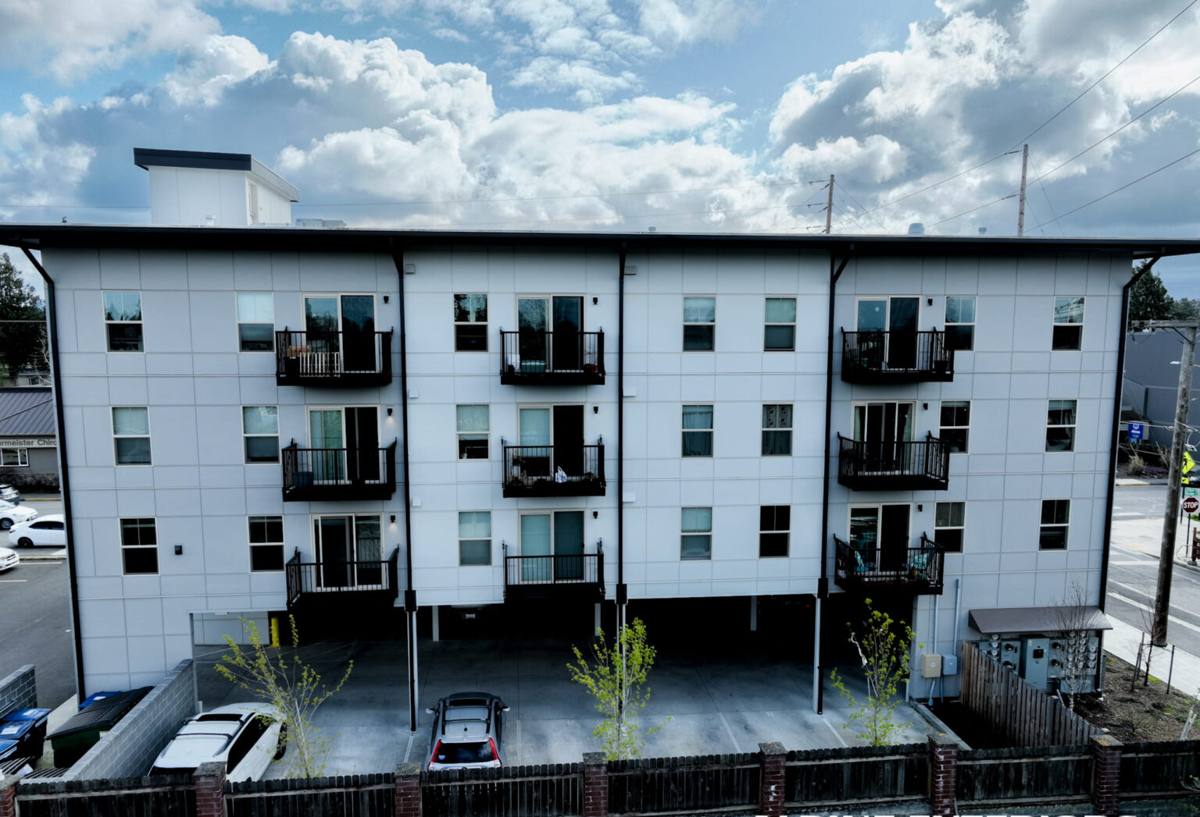
What Roser Park's Housing Stock Means for a Siding Job
Roser Park is one of St. Petersburg's older, established residential neighborhoods, with a housing stock that leans toward early-to-mid-20th-century bungalow and cottage-style construction alongside newer infill. That mix matters for siding work in a few practical ways:
- Older homes often have non-standard wall dimensions, settled framing, or prior additions where wall planes don't line up perfectly — a template-and-measure approach beats a one-size-fits-all install.
- Many older houses have layered repair history: siding installed over siding, inconsistent sheathing, or trim that was patched rather than replaced. That history has to be uncovered and dealt with, not just covered up again.
- Homes with real architectural character deserve a siding profile and color that respect the original lines of the house rather than flattening it into a generic look.
- Established tree canopy and closer lot spacing in older neighborhoods can trap moisture and shade certain wall faces longer, which changes how those areas dry out after rain.
None of this means Roser Park homes need anything exotic — it means the crew doing the work needs to actually look at the house in front of them instead of running a standard install off a truck.
What a Correct Installation Actually Involves
Siding is a system, not a single product nailed to the wall. On a coastal Pinellas County home, the parts you don't see determine whether the parts you do see hold up.
Weather-Resistive Barrier and Flashing
Every wall needs a continuous weather-resistive barrier behind the siding, with flashing detailed at every penetration — windows, doors, hose bibs, light fixtures, and any place two planes meet. Wind-driven rain in a Gulf Coast storm doesn't fall straight down; it gets pushed sideways and upward under laps and around openings. If the barrier and flashing aren't lapped correctly (always shedding water downward and outward, never trapping it), water finds its way into the wall assembly regardless of how good the siding itself looks.
Fastening for Wind Resistance
Fastener type, spacing, and placement are specified for a reason, and that reason is wind load. Under-fastening or using the wrong fastener is one of the most common causes of siding failure in a hurricane-exposed area — panels or planks that look fine for years can come loose in a single storm if they were never fastened to spec. Corrosion-resistant fasteners matter too; salt air degrades ordinary fasteners well before the siding itself is due for replacement.
Clearance and Drainage Details
Siding needs proper clearance from grade, roofing, decks, and horizontal surfaces so water has somewhere to go and wood-based trim isn't sitting in standing moisture. Caulking and sealant get used at transitions and penetrations, not as a substitute for correct flashing. These are the details that separate an installation that lasts from one that looks right on install day and starts failing within a few humid Florida summers.
Why We Install Only James Hardie Fiber Cement
We standardized on James Hardie fiber cement siding and don't install vinyl, LP SmartSide, or other fiber cement brands. That's not a marketing position — it's a decision based on what actually holds up under St. Petersburg conditions.
Fiber cement is non-combustible, which matters in a state where lightning-driven brush fires and grill/electrical fires are a real risk to homes with combustible cladding. James Hardie's HZ5 product line is engineered specifically for high-humidity, high-UV, storm-prone climates like ours — it resists moisture-related swelling and cracking far better than wood-based composite siding, and it doesn't warp or become brittle in extreme heat the way vinyl can. The factory-applied ColorPlus finish is baked on and warranted against fading, which matters enormously under Florida's UV load; field-painted siding here loses its finish integrity much faster. Hardie backs the product with a strong, transferable limited warranty, which adds real value if the home is ever sold.
We're not going to tell you other siding products are junk — vinyl and engineered wood siding have legitimate uses and plenty of homes wear them fine in milder climates. But for the wind, UV, and salt exposure a Roser Park home deals with, we won't put our name on an installation using a product we don't think will hold up to our own standard. Fiber cement, installed correctly, is what we're willing to warranty our workmanship against.
Our Process for a Roser Park Home
- On-site assessment — We walk the exterior, check the current siding and substrate condition, look at drainage and grading, and note any problem areas (rot, prior moisture intrusion, trim damage) before quoting anything.
- Scope and product selection — We spec the correct Hardie plank or panel profile, exposure, and ColorPlus color for the home, matching the character of the house rather than defaulting to a generic look.
- Tear-off and substrate repair — Old siding comes off, sheathing is inspected, and any rot or damage found underneath gets repaired before new material goes up — this step is where problems that have been hidden for years usually surface.
- Weather barrier and flashing — A continuous, correctly lapped weather-resistive barrier goes on first, with flashing detailed at every window, door, and penetration.
- Installation to manufacturer spec — Fastening pattern, clearances, and joint treatment follow James Hardie's published installation requirements, not shortcuts.
- Trim, caulking, and final detailing — Trim boards, corners, and transitions are finished and sealed correctly, not just caulked over gaps.
- Walkthrough and cleanup — We walk the finished job with the homeowner and clear the site of old material and debris.
What Drives the Cost of a Siding Job Here
| Factor | Why It Matters in Roser Park |
|---|---|
| Home size and wall complexity | Older homes with additions, dormers, or multiple roof lines take more cutting, flashing, and labor per square foot |
| Substrate condition | Hidden rot or moisture damage found during tear-off adds repair scope before new siding can go on |
| Siding profile and finish | Lap width, texture, and ColorPlus color selection affect material cost and how well the finish matches the home's style |
| Trim and detail work | Older architectural detailing (window surrounds, corner boards, fascia) takes more time than a plain modern box |
| Access and site conditions | Tight lot lines, mature landscaping, or limited driveway access common in older neighborhoods can affect staging and labor time |
| Storm-code fastening requirements | Pinellas County's wind-load requirements mean fastening isn't optional or negotiable — it's built into the labor |
Living With Fiber Cement Siding in a Coastal Climate
Correctly installed James Hardie siding is genuinely low-maintenance compared to wood or wood-composite alternatives, but "low-maintenance" doesn't mean "no maintenance" in a salt-air, high-UV environment. A periodic rinse to clear salt residue and organic buildup, prompt attention to any caulking that separates at trim joints, and keeping irrigation and sprinklers from spraying directly on the siding all extend the life of the installation. Because the ColorPlus finish is factory-cured, it holds up far longer than field-applied paint — but it still benefits from being kept clean, especially on wall faces that face prevailing wind and rain.
Why a Crew That Already Works Roser Park Matters
A contractor who regularly works in and around St. Petersburg's older neighborhoods has already dealt with the quirks that come with homes of this era and this climate — inconsistent framing, layered repair history, permitting expectations from the city and Pinellas County, and the wind-load and moisture details that actually matter here versus generic national installation advice. That familiarity shows up in fewer surprises mid-job, more accurate quotes up front, and an installation that's actually built for what a Gulf Coast storm season will throw at it, not just what looks good on install day.
Signs Your Roser Park Home May Need New Siding
- Visible cracking, warping, or soft spots when pressed, especially near the bottom of walls or under windows
- Paint that's peeling or blistering repeatedly in the same spots despite repainting
- Siding that's separated or pulled away from the wall at seams or corners
- Interior signs — bubbling paint, musty smell, or soft drywall on an exterior wall — that suggest moisture is getting through from outside
- Fasteners that are rusting, bleeding stains onto the siding, or backing out
- A home that hasn't had siding work done in 20+ years and is due for an honest condition check
If any of that sounds like your home, or you're just planning ahead, we're happy to take a look and give you a straightforward, no-pressure estimate — no obligation, and no pitch for a product we wouldn't put on our own homes.