 St. Petersburg Window
 Building a Deck That Actually Holds Up in Roser Park
A deck in Roser Park has to survive the same conditions every other structure in St. Petersburg does — brutal summer UV, wind-driven rain off the bay, hurricane-force gusts during storm season, and salt-laden air that works its way into fasteners, hardware, and finishes year-round. Add in Roser Park's mature tree canopy and its rolling, ravine-cut terrain, which is unusual for this part of Pinellas County, and you get a set of site conditions that a generic deck package isn't built to handle. Custom decks done right here start with the site and the climate, not a catalog plan.
This page covers what a deck built for Roser Park specifically needs to get right: material selection, framing and fasteners, drainage and grading, permitting, and the maintenance it takes to keep a deck looking and performing well for decades instead of years.
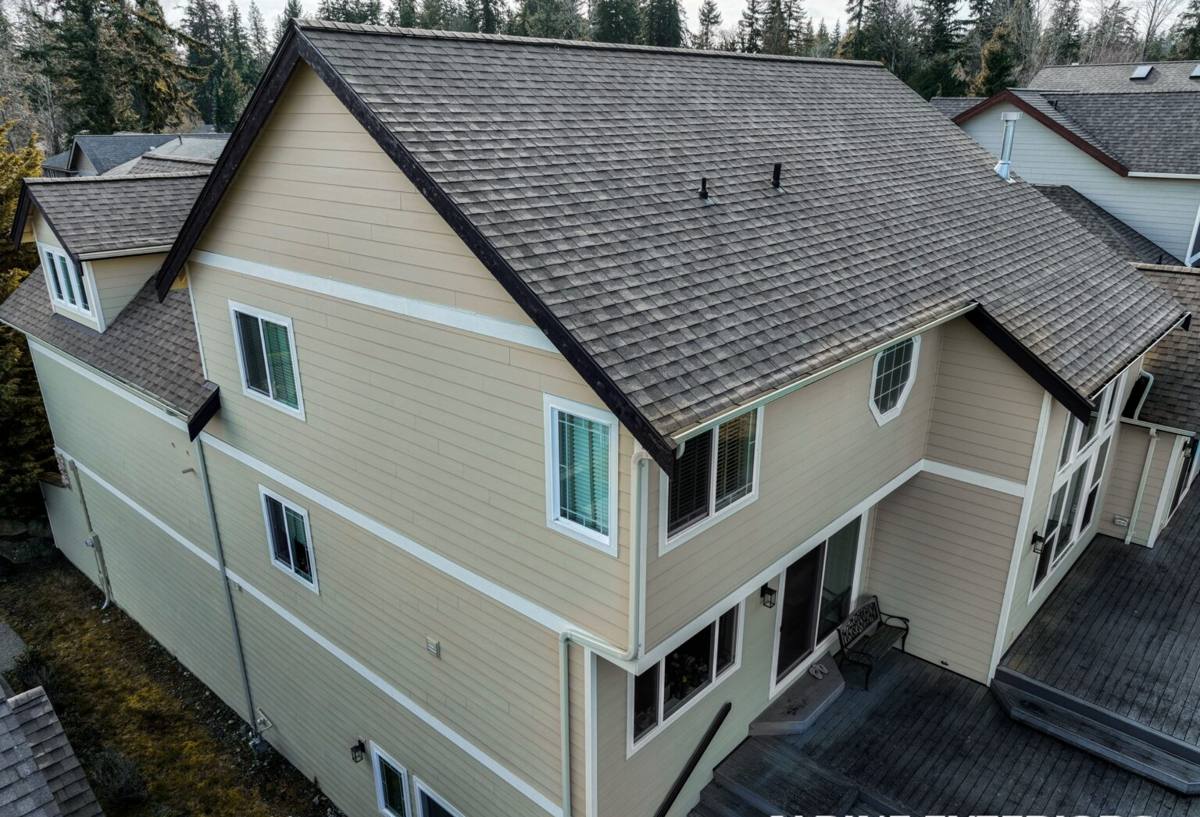
What Roser Park's Older Homes and Terrain Mean for Deck Design
Roser Park is one of St. Petersburg's older, historic neighborhoods, and that shapes deck work in a few practical ways. Many of the homes are bungalow-era construction with framing, ledger conditions, and foundation heights that don't always match up cleanly with a modern deck design pulled off the shelf. Before we design anything, we look at how the house is actually built where the deck will attach, not just what the plans assume.
The neighborhood's sloped lots and tree cover also change the engineering. A deck built on grade that steps down toward a ravine or low point needs different footing depths and post heights than a flat-lot deck, and shaded areas under mature trees stay damp longer after rain, which matters for which materials and ventilation details we use underneath the structure. None of this makes a Roser Park deck harder to build well — it just means the design has to respond to the actual lot instead of a standard template.
The Coastal Pinellas County Climate Problem, Specifically
Every deck material and fastener choice on this page comes back to four climate factors that define exterior work anywhere in St. Petersburg:
- UV exposure: Florida's near-constant sun bleaches, dries, and embrittles wood fiber and lower-grade composite decking faster than in most of the country.
- Wind-driven rain: Storms here don't just rain down, they drive water sideways into ledger boards, fascia, and any gap in flashing.
- Hurricane and tropical-storm wind loads: Railings, post connections, and ledger attachment all need to be engineered for uplift and lateral load, not just static weight.
- Salt air: Even inland from the immediate coastline, airborne salt accelerates corrosion in standard fasteners, brackets, and hidden hardware.
A deck that ignores any one of these will show it within a few seasons — cupped boards, rust streaks bleeding through the finish, a railing post that's gone soft, or worse, a ledger connection that's quietly failing behind the siding.
Choosing the Right Decking Material
There's no single "best" decking material — there's the right material for the budget, the amount of upkeep the owner wants to do, and how much direct sun and moisture the specific deck location will see. Here's how the common options actually compare under St. Petersburg conditions:
| Material | Upfront Cost | Maintenance | UV / Heat Behavior | Expected Lifespan (Coastal FL) |
|---|---|---|---|---|
| Pressure-treated pine | Lowest | Annual sealing/staining recommended | Grays, cracks, and splinters without upkeep | 10–15 years with maintenance |
| Tropical hardwood (e.g., ipe) | High | Periodic oiling to hold color | Very stable, naturally weather-resistant | 25+ years |
| Capped composite | Mid-High | Wash only, no sealing/staining | Fade-resistant caps, stays cooler than uncapped composite | 25–30 years |
| Uncapped composite | Mid | Occasional cleaning, more moisture-sensitive | Can fade and absorb heat more than capped versions | 15–20 years |
| PVC decking | High | Wash only | Excellent UV and moisture resistance | 30+ years |
Our standard is to steer homeowners toward capped composite or PVC for most Roser Park decks, not because wood is a bad product, but because uncapped wood surfaces in this climate demand a maintenance schedule most owners don't actually keep up with — and a skipped sealing cycle here shows up fast as checking, splintering, or mold in shaded, tree-covered areas.
What Doesn't Change, Regardless of Decking Material
Whatever surface material you choose, the structure underneath — framing, ledger, footings, and fasteners — has to be built to the same standard. The decking is what you see; the framing is what actually keeps the deck safe and attached to your house through a storm.
Framing and Fasteners: Where Decks Actually Fail Here
Most deck failures we get called out to inspect aren't decking-surface problems — they're structural connection problems that took a few years of salt air and moisture cycling to show up. The details that matter most:
- Ledger attachment: The board connecting the deck to the house needs proper flashing and structural lag bolts or through-bolts, not nails, and needs to be isolated from trapped moisture behind it.
- Fastener grade: Standard galvanized hardware corrodes faster near the coast. We use stainless steel or coastal-rated hot-dip galvanized fasteners and connectors throughout.
- Post-to-footing connections: These need engineered hardware rated for uplift, not just downward load, because hurricane-force wind can lift a deck section as easily as it can push on it.
- Footing depth: Pinellas County soil and Roser Park's sloped lots can require deeper or differently placed footings than a flat, standard-soil site.
- Ventilation and drainage under the deck: Especially important in shaded, tree-covered yards where ground moisture doesn't evaporate as quickly.
Permits, Codes, and Wind Ratings
Decks in St. Petersburg and unincorporated Pinellas County are permitted work, and for good reason — the local building code sets wind-load and structural requirements specific to this region's hurricane exposure. Railing height and baluster spacing, footing and post sizing, and ledger attachment methods are all inspected items, not optional upgrades.
We handle the permitting and inspection process as part of the job. For a historic neighborhood like Roser Park, that can also mean coordinating with any applicable historic district guidelines on visible design elements, which is one more reason it helps to work with a crew that's already familiar with how the city and county review projects in this specific area.
Our Process, Start to Finish
- Site visit and assessment: We walk the lot, check the existing ledger/foundation condition if it's a rebuild, and note grading, tree cover, and drainage.
- Design and material selection: We talk through decking material, railing style, and layout based on budget, sun exposure, and maintenance preference.
- Engineering and permitting: Structural details are set to current wind-load code and submitted for permit before any work starts.
- Demolition (if replacing an existing deck): Old structure removed, framing and ledger condition re-checked against the original assumptions.
- Framing: Footings, posts, beams, and joists installed with coastal-rated hardware and fasteners.
- Decking, railing, and finish work: Surface material and railing system installed, all connections and hardware inspected before close-out.
- Final inspection and walkthrough: County/city inspection completed, and we walk the finished deck with you before calling the job done.
Maintenance: What Actually Keeps a Coastal Deck Sound
The single biggest factor in how long a deck lasts here isn't the initial build quality alone — it's whether it gets basic upkeep afterward. A well-built deck with zero maintenance will still age faster in St. Petersburg's climate than the same deck with a simple annual routine.
- Rinse off salt film, pollen, and organic debris every few weeks, more often in tree-covered yards.
- Check and clear gaps between boards so leaves and debris don't trap moisture against the framing.
- Inspect railing posts and connections annually for movement, rust bleed, or soft wood.
- Reseal or oil wood decking on the manufacturer's recommended cycle — don't wait until it looks dry and gray.
- Look underneath the deck once or twice a year for standing water, rot, or corrosion on fasteners and brackets.
- After any major storm, check ledger flashing and post bases for shifting or water intrusion.
Repair, Rebuild, or Replace: How We Decide
Not every aging deck needs to be torn out. If the framing and ledger connection are sound and the issues are limited to surface boards or railing, a repair or resurfacing can be the honest answer. We recommend a full rebuild when the ledger attachment is compromised, when footings or posts show structural movement, or when the cost of chasing repairs on old framing starts to approach what a properly engineered new structure would cost. We'll tell you which situation you're in and why, rather than defaulting to the bigger job.
Why Hire a Crew That Already Works in Roser Park
Roser Park's mix of older home construction, sloped and tree-covered lots, and its historic-neighborhood character means a deck project here benefits from local familiarity — knowing what ledger and foundation conditions tend to show up on homes of this era, how the terrain affects footing and drainage decisions, and how the permitting process works for this specific part of St. Petersburg. That local experience shows up in fewer surprises during the build and a deck that's actually designed for the lot it's going on, not a generic layout adjusted after the fact.
If you're weighing a new deck, a rebuild, or repairs to an existing one in Roser Park, we're happy to come take a look and walk you through honest options for materials, structure, and cost. Request a free, no-pressure estimate using the form below.