 St. Petersburg Window
 Old Northeast Homes Face a Specific Set of Problems
Old Northeast is one of the older, more established residential pockets in St. Petersburg — mature tree canopy, historic bungalow and Mediterranean Revival architecture, homes that have been through decades of Tampa Bay weather. That history is part of the charm, but it also means a lot of these houses are carrying siding, trim, and fascia that was never engineered for what Pinellas County actually throws at a house year after year: hurricane-force wind events, intense and near-constant UV exposure, wind-driven rain that gets pushed sideways under eaves and around window trim, and salt-laden air rolling in off the bay that accelerates corrosion and finish breakdown on almost everything it touches.
Wood siding and trim in this neighborhood typically shows it first — cupping, checking, soft spots at butt joints, and paint that fails every few years no matter how well it was applied. Vinyl siding on older homes here often looks fine until a storm rips a section loose or the sun bakes it brittle enough to crack on impact. The siding on an Old Northeast home isn't decorative — it's the first line of defense on a house that's going to keep taking direct hits from this climate for the next 30-plus years.
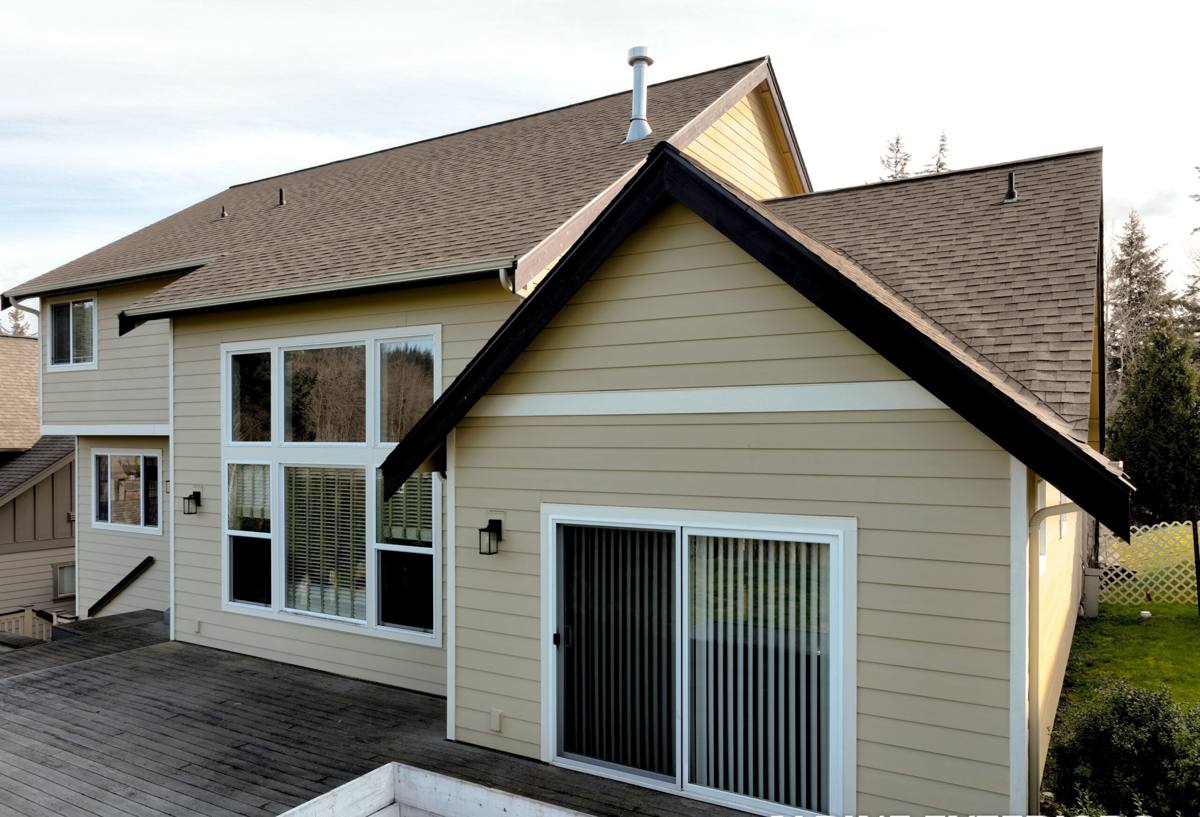
What a Correct James Hardie Job Actually Requires Here
James Hardie fiber cement siding is not a material that performs well installed halfway. In a coastal, high-humidity, high-wind market like St. Petersburg, the installation details matter as much as the product itself. A correct job on an Old Northeast home involves:
- Confirming the wall assembly underneath — sheathing condition, existing moisture damage, and whether a weather-resistive barrier needs to be replaced, not just patched around
- Proper clearances at grade, roofline, and any horizontal trim so water sheds instead of wicking into the bottom edge of the boards
- Correct fastener pattern and fastener type for our wind zone — this isn't optional in a hurricane-exposed county, and it's the single most common shortcut we see on older re-sides
- Sealed and flashed penetrations at every window, vent, and utility line, since wind-driven rain finds any gap that isn't properly detailed
- Factory-finished ColorPlus boards installed with touch-up rather than field-painted cut edges left exposed to salt air and UV
- Rain-screen or proper back-ventilation practices where the wall assembly calls for it, so moisture that does get behind the cladding has somewhere to go
Skip any one of these and you get a house that looks right for a year or two, then starts showing the same failures — bowing, staining, fastener pop, seam separation — that the original siding had.
Why Older Homes Need Extra Attention
Many Old Northeast houses have had multiple rounds of trim work, window replacements, or partial repairs over the decades. Before any new siding goes up, that history needs to be accounted for — old flashing details, inconsistent stud spacing, and layers of paint or old siding material left behind can all affect how the new assembly performs. We don't treat an older home the same way we'd treat new construction, and a crew that hasn't worked houses like this before often doesn't know to look for it.
HardiePlank, HardiePanel, and Board & Batten — Choosing the Right Line for the Look
Old Northeast's mix of bungalow, Craftsman, and Mediterranean Revival styles means the right Hardie profile depends heavily on the specific home. Here's how the common options compare for this neighborhood:
| Product | Best fit | Considerations for Old Northeast |
|---|---|---|
| HardiePlank lap siding | Bungalow and Craftsman homes with traditional horizontal lap look | Widest range of textures (smooth, cedarmill) and the most common match for existing historic profiles |
| HardiePanel vertical siding | Gable accents, porch details, Mediterranean-style transitions | Often paired with lap siding as an accent rather than used whole-house |
| HardieTrim board & batten | Craftsman-style accent walls, dormers, garage faces | Strong look on the architectural styles common in this neighborhood, but needs careful joint detailing at the higher batten count |
None of these is a universal right answer — it comes down to matching the home's existing architectural character while making sure the profile chosen actually performs in direct sun and storm exposure, not just how it photographs.
Our Process, Start to Finish
Every Old Northeast job runs the same way, regardless of size:
- On-site assessment — we look at the current siding, trim, and any visible moisture or wind damage before quoting anything
- Wall assembly check — sheathing and barrier condition get evaluated once old material starts coming off, not guessed at from the outside
- Written scope — what's being removed, what's being replaced, which HZ product line and profile, and what's included versus what would be a change order
- Installation to manufacturer spec — fastener schedule, clearances, and flashing done to James Hardie's published requirements for our wind and moisture zone
- Final walkthrough — we go over the finished job with the homeowner before calling it done, not after
We don't sub out the actual installation to whoever's available that week. The same crew that quotes the job installs it.
Why It Matters That the Crew Already Works This Neighborhood
A crew that's already done siding on several homes in this part of St. Petersburg has already run into the things that are specific to it — the age and construction of the housing stock, tight lot lines and mature landscaping that affect staging and access, and the permitting and inspection process through the City of St. Petersburg and Pinellas County. That's not a small thing. A contractor who's never worked here will spend your job figuring out details a local crew already knows, and on an older home those unknowns show up as delays, change orders, or corners cut to make up time.
There's also a trust factor that matters in an established neighborhood like this: work gets seen by neighbors, and a crew that's been doing clean, correct installs here has a reputation to protect that a one-off out-of-area crew doesn't.
What Happens After Installation
James Hardie siding installed correctly needs very little from you afterward — no annual painting cycle, no repeated caulking of failing seams. What it does need:
- An occasional rinse to clear salt residue and airborne debris, especially on homes closer to the water
- A visual check after major storms for any dislodged trim or caulking that needs attention
- Keeping irrigation heads and sprinklers from constantly wetting the base of the siding
James Hardie backs the boards with a manufacturer's product warranty, and ColorPlus finishes carry their own separate finish warranty — both are transferable, which matters if you sell the home down the road. We'll walk through the actual warranty terms and registration requirements as part of any proposal, since they vary by product line.
What Drives Cost on a Job Like This
| Factor | Why it moves the price |
|---|---|
| Condition of existing sheathing | Rot or water damage found once old siding comes off adds material and labor to repair before new siding goes up |
| Home size and wall complexity | Dormers, multiple gables, and architectural detailing on Craftsman and Mediterranean-style homes take more time per square foot than a simple rectangular wall |
| Product line and profile | HZ10 versus HZ5 formulations and specialty profiles like board and batten price differently than standard lap |
| Trim and accent scope | Full trim replacement alongside the siding versus siding only changes both cost and how well the finished job performs long-term |
| Access and site conditions | Mature landscaping, tight setbacks, and older driveways can affect staging and add time |
We won't quote a number without seeing the house — anyone who does hasn't accounted for what's actually behind your walls.
Before You Sign With Anyone
Whether you use us or someone else, ask any siding contractor these questions before signing:
- Are you installing James Hardie specifically, or a lower-cost fiber cement alternative under a similar name?
- What's your fastener schedule and clearance detail for wind and moisture exposure in this area?
- Will the same people who quoted the job be the ones installing it?
- What happens if you find damaged sheathing once the old siding is removed?
- Is the ColorPlus finish warranty registered in my name, and is it transferable if I sell?
- Do you have experience with homes of this age and construction type in this specific neighborhood?
If a contractor can't answer these clearly before you sign, that's worth paying attention to.
Get a Straight Answer on Your Home
If your Old Northeast home's siding is showing its age — or you're just tired of the maintenance cycle wood or vinyl demands in this climate — we're happy to take a look and give you an honest read on what it needs. There's no pressure and no obligation. Use the form below to request a free estimate, and we'll walk the property with you and explain exactly what we see.