 St. Petersburg Window
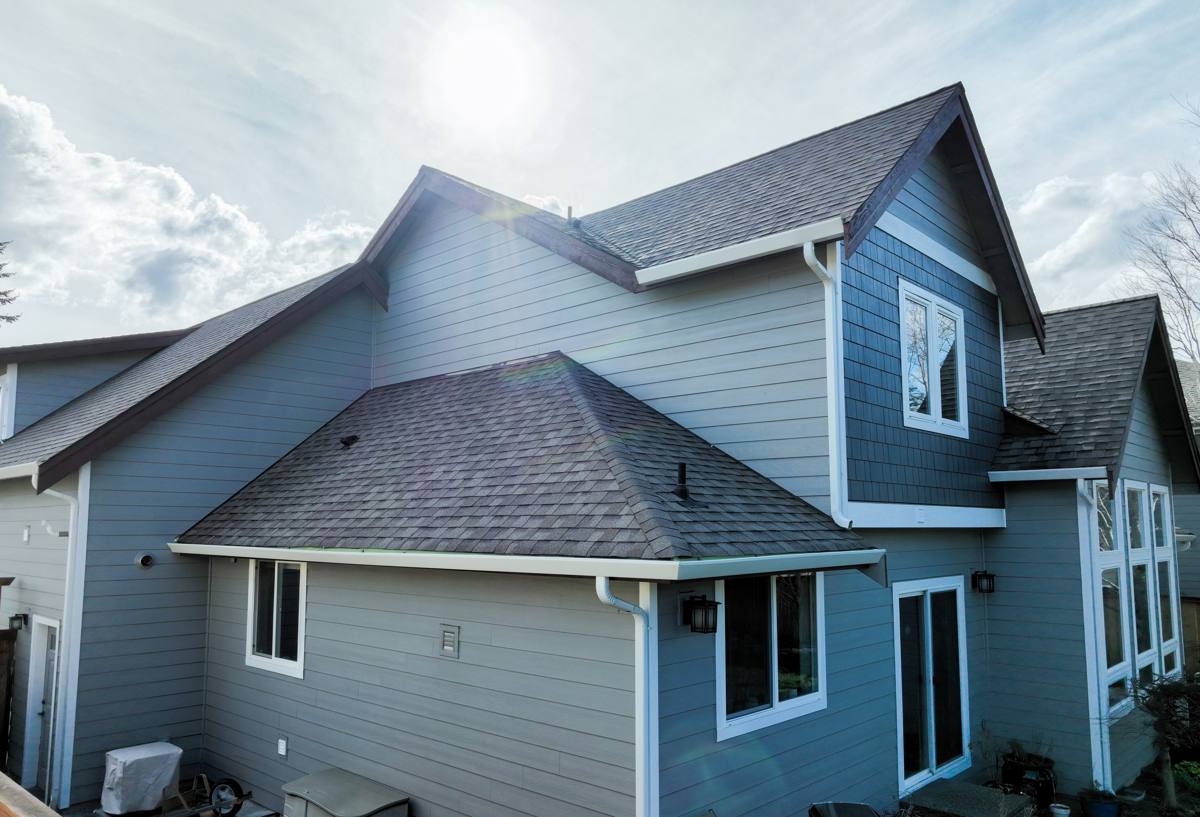
 Fiber Cement Siding for Old Northeast Homes
Old Northeast sits close enough to Tampa Bay that every exterior material on a house here is doing double duty: it has to look right on a neighborhood full of older, well-kept homes, and it has to survive a coastal Pinellas County climate that is genuinely hard on building materials. Salt-laden air moving off the water, intense UV exposure nearly every day of the year, wind-driven rain during summer storms, and the real possibility of hurricane-force wind loads all act on siding at the same time, not one at a time. That combination is why we treat fiber cement siding work in this neighborhood as a specialized job, not a generic re-side.
This page covers what fiber cement siding installation actually involves for an Old Northeast home, what correct prep and installation look like in this climate, and why we install James Hardie fiber cement exclusively rather than offering a menu of siding brands.
Why Old Northeast's Climate Is Hard on Siding
Salt Air and Humidity
Proximity to the bay means airborne salt settles on exterior surfaces year-round, even on days without a storm. Salt is corrosive to fasteners and trim hardware, and it accelerates the breakdown of paint films and lower-grade composite materials. Combined with St. Petersburg's high ambient humidity, siding here is under near-constant moisture load, which makes the material's core composition and its factory finish more important than they'd be in a drier inland climate.
UV Exposure
Florida gets more sun hours than almost anywhere in the continental U.S., and UV degrades pigments and resins in exterior materials over time. Painted or coated products that aren't engineered for this exposure tend to chalk, fade unevenly, or need repainting well ahead of schedule. A factory-baked finish designed for high-UV climates holds color and sheen far longer than a field-applied coat.
Wind-Driven Rain and Storm Loads
Pinellas County sees wind-driven rain that pushes water sideways into wall assemblies, not just straight down. During hurricane season, siding also has to resist real wind pressure and windborne debris without delaminating or blowing off. Both of these are installation-detail problems as much as material problems — the housewrap, flashing, fastening pattern, and joint treatment matter as much as the siding panel itself.
What Correct Fiber Cement Installation Requires
Fiber cement siding is only as good as the assembly behind it. A correct installation in a coastal, storm-exposed neighborhood like Old Northeast includes:
- A continuous, correctly lapped weather-resistive barrier behind the siding, with all penetrations sealed
- Proper flashing at windows, doors, and any roof-to-wall transitions so water is directed out, not trapped behind the siding
- Correct fastener type, length, and spacing for the specific Hardie product and local wind-load requirements — this is not a one-size job
- Manufacturer-specified clearances at the bottom of the siding, at grade, and at any horizontal surfaces like decks or patios
- Properly gapped and caulked (or shiplap-jointed) panel seams, sized for Florida's expansion and contraction range
- Factory-primed cut edges sealed in the field wherever a panel has been trimmed on site
Any one of these done wrong doesn't usually cause an obvious problem on day one — it shows up as a moisture issue, a paint failure, or a wind-damage claim a few years down the road. That's why we treat the install detailing as the real product, not just the siding panels themselves.
Old Northeast's Older Housing Stock
A lot of homes in this neighborhood predate current wind and moisture code, which means the wall assembly behind the existing siding often needs attention during a re-side — not because the house was built badly, but because building science and code requirements have moved forward. When we strip old siding, we're checking sheathing condition, existing flashing, and any signs of past water intrusion before anything new goes up. Re-siding over a compromised wall assembly just locks the problem in behind a nice new surface.
Why We Install Only James Hardie
We don't offer a lineup of siding brands to choose from. We install James Hardie fiber cement, full stop, and we think that's the right call for homes in this climate specifically.
Non-Combustible Core
Hardie's fiber cement formulation is non-combustible, which matters for insurance considerations and general fire safety regardless of climate. It's not a coastal-specific benefit, but it's a real one.
ColorPlus Factory Finish
Hardie's ColorPlus finish is baked on at the factory under controlled conditions, engineered specifically to resist UV fading and hold up in high-humidity, high-salt environments better than field-applied paint. In a climate like St. Petersburg's, where UV and salt air are constant, that factory finish is doing real work — it's the difference between repainting siding every several years and going much longer before it needs attention.
HZ5 and Climate-Engineered Product Lines
James Hardie makes region-specific product formulations (HZ product lines) engineered for different climate zones, including humid, high-moisture regions like ours. That's an advantage a one-size-fits-all fiber cement or composite product doesn't offer — the material is formulated with Gulf Coast humidity and moisture cycling in mind, not just tested to a generic standard.
Warranty Structure
Hardie backs its siding with a strong, transferable limited warranty, and ColorPlus finishes carry their own separate finish warranty. Transferability matters in a neighborhood like Old Northeast, where homes change hands and buyers want documented protection on major exterior work, not a warranty that dies with the original owner.
Fiber Cement vs. Other Common Siding Materials
| Material | Coastal/UV Performance | Maintenance Burden | Fire Rating |
|---|---|---|---|
| James Hardie Fiber Cement | Engineered for high-humidity, high-UV climates; factory finish resists fading | Low — factory finish holds color for years | Non-combustible |
| Vinyl Siding | Can warp or become brittle under intense UV and heat cycling | Low upfront, but replacement (not repair) is often the only fix when damaged | Combustible |
| Wood/Cedar | Vulnerable to moisture, rot, and salt-air degradation without diligent upkeep | High — regular sealing/painting required | Combustible |
| Other Fiber Cement Brands | Varies by formulation; not all offer region-specific climate engineering | Depends on finish quality and warranty coverage | Generally non-combustible |
We don't install vinyl, LP SmartSide, or other fiber cement brands. That's a deliberate standard, not a lack of options — we'd rather stand behind one product system we know performs correctly in this climate when installed to spec than offer a menu and let price shop the wrong material onto a coastal home.
Our Process for an Old Northeast Siding Project
- On-site assessment: We inspect existing siding, trim, and (where accessible) the wall assembly behind it to understand what's driving the need for replacement and what condition the substrate is in.
- Product and color selection: We walk through Hardie's plank profiles, textures, and ColorPlus color options so the finished look fits the home and the surrounding streetscape.
- Prep and removal: Old siding comes off, and we address any sheathing, flashing, or moisture issues found underneath before new material goes up.
- Weather barrier and flashing: A continuous weather-resistive barrier and correct flashing details go in first — this is the layer that actually keeps water out.
- Installation to manufacturer spec: Panels are fastened, gapped, and sealed per James Hardie's installation instructions and local wind-load requirements.
- Final detailing and walkthrough: Trim, caulking, and touch-up are completed, and we walk the finished job with the homeowner.
Why Local Experience in This Neighborhood Matters
A crew that already works in Old Northeast and similar St. Petersburg neighborhoods knows the practical realities that don't show up in a spec sheet: how close some homes sit to the water and what that means for corrosion-resistant fasteners, how HOA or historic-character expectations shape color and profile choices in older neighborhoods, and how to sequence a project around Pinellas County's storm season so a home isn't left exposed mid-project. That local pattern recognition is part of what separates a correct install from one that technically follows the manual but misses the details that matter here.
Questions Worth Asking Before You Hire
- Does the crew installing my siding also handle the flashing and weather barrier work, or is that subcontracted separately?
- What fastener spec and type will be used, and is it appropriate for coastal wind exposure?
- Is the product a region-specific Hardie formulation, and does the estimate include ColorPlus factory finish or field painting?
- What does the warranty actually cover, and is it transferable if I sell the home?
- How will the project be sequenced relative to hurricane season?
Get an Estimate
If your Old Northeast home needs new siding — whether it's storm damage, age, or just time for an upgrade — we're happy to walk the exterior with you, look at what's driving the need for replacement, and put together a straightforward, no-pressure estimate for a correctly installed James Hardie fiber cement system built for this climate.