 St. Petersburg Window
 Why Siding Choice Matters More in Kenneth City Than Most Places
Kenneth City sits inland enough from the Gulf to feel like a quiet residential pocket of Pinellas County, but it's close enough to the water — and to St. Petersburg's broader coastal weather pattern — that its homes take on the same punishment as anything closer to the beach. Salt-laden air moves inland on sea breezes, summer humidity stays high for months at a time, afternoon storms bring wind-driven rain at odd angles, and hurricane season puts sustained wind loads and flying debris on every exterior surface a house has. Siding here isn't just a cosmetic layer. It's the first line of defense against moisture intrusion, UV breakdown, and wind pressure, and a product or installation that's a little bit wrong will show it faster in this climate than it would in a milder one.
That's the frame we bring to every Kenneth City siding job: this isn't a generic install, it's an install for a specific set of conditions. The product has to be engineered for it, and the workmanship has to respect the details that keep water out and the siding attached through the next big blow.
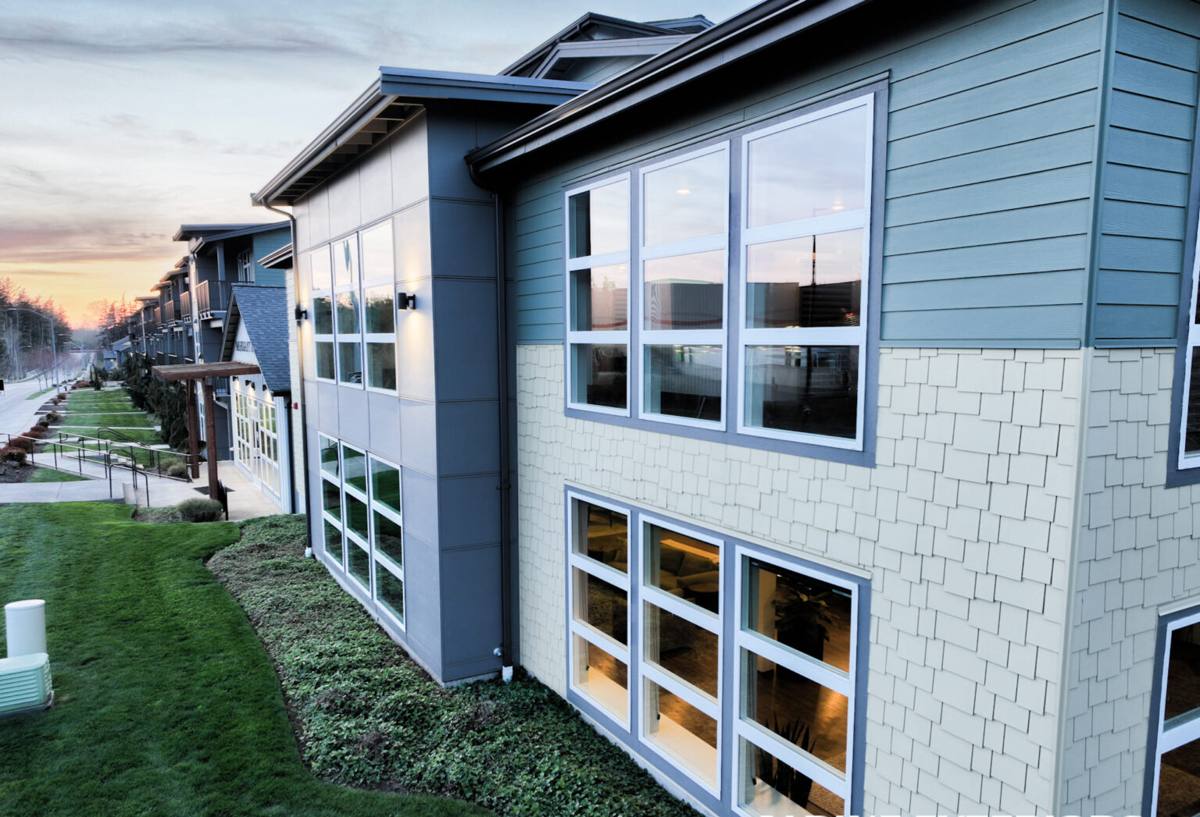
What Kenneth City Homes Actually Need From Their Siding
Four climate factors drive almost every decision we make on a Pinellas County siding project:
- Wind: Even outside the state's highest-velocity hurricane zones, Pinellas County homes are built to and re-sided under wind-load standards that assume tropical storm and hurricane exposure most years. Siding has to stay fastened under sustained pressure and wind-borne debris impact, not just look good on a calm day.
- Wind-driven rain: Rain here doesn't just fall — storms push it sideways into wall assemblies. Every seam, joint, and penetration is a potential entry point if it isn't detailed correctly.
- UV exposure: Florida sun is intense and nearly constant. Paint film and lower-grade coatings fade, chalk, and break down faster here than in almost any other part of the country.
- Salt air: Airborne salt accelerates corrosion of fasteners and hardware and can degrade materials that aren't formulated to resist it, even at a few miles from open water.
Any siding product marketed for "Florida" needs to answer to all four of those, not just one or two. That's the standard we hold every material to before it goes on a Kenneth City wall.
Why We Install James Hardie Fiber Cement — And Only James Hardie
We install James Hardie fiber cement siding exclusively. We don't offer vinyl, LP SmartSide, primed wood, cedar, or other fiber cement brands like Allura or Cemplank, and that's a deliberate professional standard, not a limitation in what we're capable of installing.
What the Hardie system gets right for this climate
Hardie fiber cement is cement, sand, and cellulose fiber — it doesn't rot, it isn't a food source for pests, and it's non-combustible. It holds paint and factory finish far better than wood-based products because it doesn't move with humidity the way engineered wood or solid wood does, which matters enormously in a climate where humidity swings are constant. Hardie also builds a version of its lineup — the HZ5 product line — specifically engineered for climates like ours: hot, humid, storm-exposed, with formulations aimed at resisting moisture-related damage in exactly the conditions Pinellas County sees every summer.
ColorPlus factory finish
Most of what we install uses Hardie's ColorPlus finish — color baked on at the factory under controlled conditions, rather than field-painted after installation. In a market with this much UV load, that matters: factory-cured finish resists fading and chalking better than a field-applied coat, and touch-up product is formulated to match, so repairs down the road don't turn into a mismatched patch.
Warranty structure
James Hardie backs its siding with a long, transferable limited product warranty on the material itself, plus a separate warranty specifically covering the ColorPlus finish. Transferability matters to a lot of Kenneth City homeowners — if you sell within the warranty period, that protection can follow the house, which is a selling point buyers increasingly ask about.
We made the call to standardize on one manufacturer because it lets us install to one spec, source one set of trim and accessory components that are engineered to work together, and back one warranty without hedging on compatibility issues between mixed product lines.
What a Correct Fiber Cement Installation Actually Involves
Fiber cement is not a forgiving product to install poorly, and the mistakes that cause problems are rarely visible until years later — usually as moisture damage behind the wall. A correct installation in a wind-and-rain climate like ours includes:
- Proper water-resistive barrier: A code-compliant weather barrier goes on the wall sheathing before any siding, lapped correctly, before a single board is hung.
- Flashing at every penetration: Windows, doors, hose bibs, light fixtures, and vents all need flashing details that shed water outward, not into the wall cavity.
- Manufacturer-specified clearances: Hardie specifies minimum gaps between siding and roof lines, decks, patios, and grade. Skipping these is one of the most common ways installers create long-term moisture problems, and it's invisible from the street.
- Correct fastener pattern and type: Fastener spacing, embedment depth, and corrosion-resistant fastener material all affect wind-uplift performance and long-term durability in salt air.
- Proper joint treatment: Butt joints and panel seams need to be treated according to spec — caulked, flashed, or shiplapped correctly depending on the product line — to keep wind-driven rain from tracking behind the boards.
- Field cuts sealed and primed: Any cut edge exposes raw fiber cement; those edges need to be sealed per manufacturer instructions before installation, not left bare.
None of this is exotic. It's all published in James Hardie's installation instructions. But it takes discipline to follow every time, on every wall, especially on the details nobody will ever see once the job is finished.
Our Process for a Kenneth City Siding Project
- On-site assessment: We walk the exterior, check the condition of the existing wall assembly, look for prior moisture damage, and note wind exposure, roof lines, and anything that affects clearances or flashing details.
- Scope and product selection: We go through the relevant Hardie product lines — lap siding, panel siding, trim, soffit — and the ColorPlus color options, and put together a scope specific to the house.
- Tear-off and substrate check: Old siding comes off and we inspect the sheathing underneath for rot or damage before anything new goes on. Problems found here get addressed before the new siding, not covered up.
- Weather barrier and flashing: New water-resistive barrier and flashing go in at every penetration and transition, per code and manufacturer spec.
- Installation: Siding is hung to Hardie's fastening and clearance specifications, with attention to joint treatment and cut-edge sealing throughout.
- Trim, caulking, and finish detail: Trim boards, corners, and transitions are finished and sealed, and any field-applied caulking uses products compatible with the ColorPlus finish.
- Final walkthrough: We go over the finished job with the homeowner, point out anything worth knowing for future maintenance, and confirm everything matches the agreed scope.
Fiber Cement Compared to Other Siding Materials in This Climate
Homeowners in Kenneth City are usually comparing a few materials when they call us. Here's how they stack up against the conditions this area actually sees:
| Material | Wind & Impact Behavior | Moisture / Salt-Air Behavior | Maintenance Burden |
|---|---|---|---|
| James Hardie fiber cement | Rated and tested for high-wind installation when installed to spec | Non-combustible, doesn't rot; HZ5 formulation targets humid, storm-prone climates | Low — factory finish holds up well; occasional wash and inspection |
| Vinyl siding | Can deform, crack, or blow off in sustained high wind; UV makes it more brittle over time | Doesn't rot, but seams and panels can allow water behind the wall if not detailed carefully | Low, but color fades with sun exposure and can't be repainted easily |
| Engineered wood (e.g., LP SmartSide) | Reasonable wind performance when properly installed | Wood-based core is more sensitive to sustained moisture exposure than fiber cement | Moderate — finish and edge sealing need more diligent upkeep in humid climates |
| Solid wood / cedar | Performs adequately but panels and boards can warp under repeated wet-dry cycling | Most moisture-sensitive option; prone to rot without consistent maintenance | High — regular repainting, sealing, and inspection required |
This isn't a knock on every alternative — vinyl and engineered wood have real markets and real strengths elsewhere. It's why, for the specific combination of hurricane wind exposure, UV load, and salt air that Kenneth City and the rest of the St. Petersburg area deal with, we've standardized on one product system that we're confident holds up when installed correctly.
What Drives Cost on a Kenneth City Siding Project
We don't quote broad projects sight unseen, but these are the factors that move the number up or down on most jobs:
| Cost Factor | Why It Matters |
|---|---|
| Total square footage of siding | The most direct driver of material and labor cost |
| Condition of existing wall assembly | Rotted sheathing or hidden moisture damage found during tear-off adds repair scope |
| Number of stories and access difficulty | Second-story and hard-to-access walls take more time and equipment |
| Trim, soffit, and accessory scope | Corner boards, window trim, and fascia detail work add labor beyond flat wall area |
| Product line and finish selection | Panel vs. lap profiles and specific ColorPlus colors can affect material pricing |
| Tear-off and disposal of old siding | Removing and hauling away existing material is its own line item |
Living With Fiber Cement Siding in a Salt-Air, High-UV Climate
Correctly installed Hardie siding is genuinely low-maintenance, but "low-maintenance" doesn't mean "no maintenance" — especially this close to the Gulf. A short annual routine keeps it performing the way it's designed to:
- Rinse the siding periodically with a garden hose to clear accumulated salt residue and airborne grime, especially after long dry spells.
- Walk the exterior after major storms and check caulked joints, trim intersections, and areas around windows and penetrations for cracking or separation.
- Keep an eye on areas near sprinklers or downspouts where siding gets repeated direct water exposure.
- Trim back landscaping so foliage isn't holding moisture against the siding surface.
- Note any chalking, discoloration, or soft spots and have them looked at before they become bigger repairs.
None of this is heavy lifting, but skipping it entirely is how small issues in a high-exposure climate turn into bigger ones.
Why It Matters That Your Installer Already Works in Kenneth City
Installation quality is the single biggest variable in how fiber cement siding performs — more than the product itself. A crew that regularly works Pinellas County and the greater St. Petersburg area already understands the local wind-load expectations, the permitting process for exterior work in this jurisdiction, and the real-world moisture patterns that come with a Gulf Coast climate. That's different from a crew that installs fiber cement occasionally alongside three other siding materials and treats every job the same regardless of climate.
We also stand behind the workmanship separately from the manufacturer's product warranty — because on a job like this, installation is where most long-term problems actually originate, not the material.
If you're considering fiber cement siding for a home in Kenneth City, we're happy to come take a look, walk the exterior with you, and put together a straightforward, no-pressure estimate based on what your house actually needs.