 St. Petersburg Window
 Roser Park's Older Homes Need Siding That Understands Their Age
Many homes in Roser Park are older, character-rich houses — bungalow-style architecture, narrow lots, and details that give the neighborhood its identity. Those same qualities mean the siding decisions are different than they'd be on a new-construction home in a subdivision. Original wood siding on a home this age has usually been patched, re-nailed, and repainted more than once, and whatever is underneath it — sheathing, trim, window flashing — has had decades to absorb Florida humidity. A siding replacement here isn't just a cosmetic swap. It's a chance to correct what's been hidden under paint for years and put something on the house that will actually hold up.
That's the lens we bring to every Roser Park estimate: what does this specific house, at this age, in this location, need to perform for the next 30-plus years — not just look good on installation day.
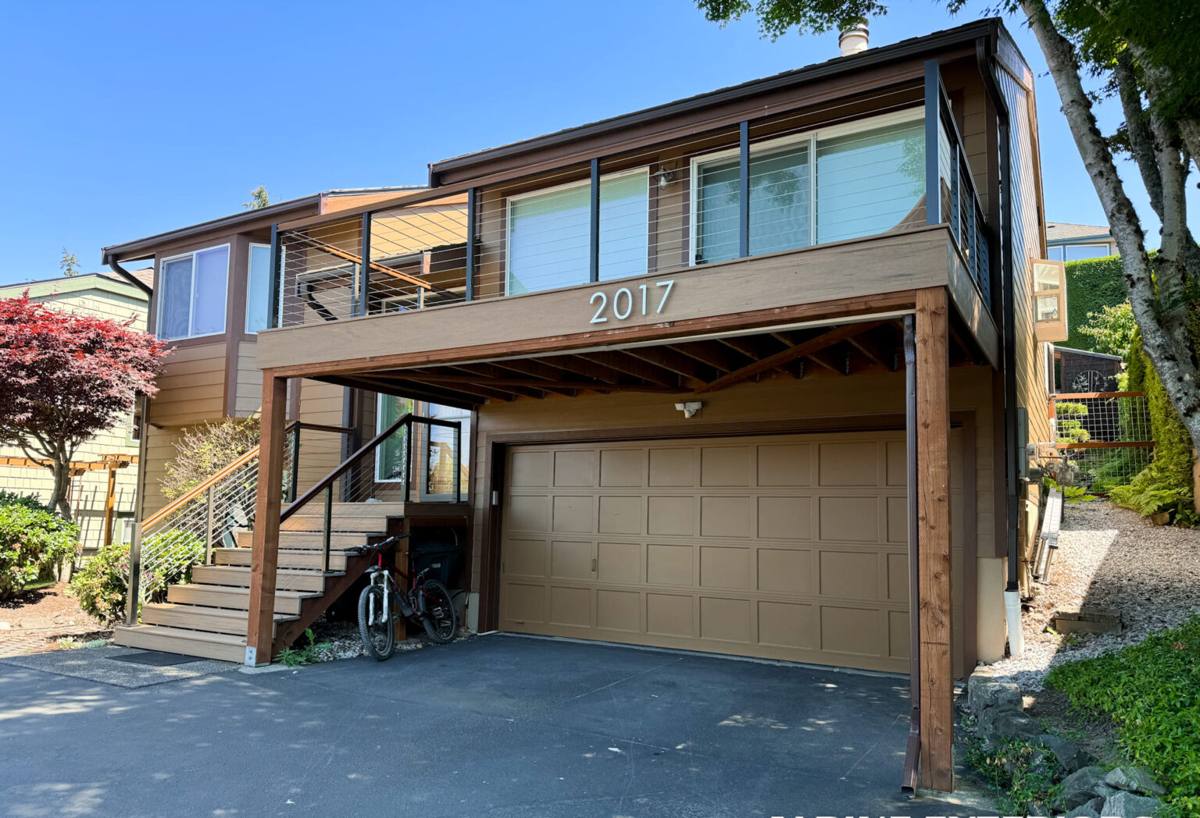
What Gulf Coast Weather Does to Siding, Year After Year
St. Petersburg sits in a part of Pinellas County that takes a real beating from the elements, and it's cumulative — the damage doesn't show up all at once, it shows up as years of small failures stacking on top of each other.
- Hurricane-force wind puts uplift and lateral pressure on every panel and fastener. Siding that isn't rated and fastened for it can loosen, crack, or blow off in a storm.
- Wind-driven rain doesn't fall straight down here — it gets pushed sideways into seams, laps, and trim joints that were never designed to shed water from that angle.
- Intense, near year-round UV breaks down paint film, dries out caulk, and fades color faster than it would in a more moderate climate.
- Salt air off the bay and Gulf accelerates corrosion on fasteners, flashing, and any metal trim components, even a few miles inland.
Any one of these on its own is manageable. All four hitting the same wall assembly, every year, is what actually wears siding out early in this region.
Why We Only Install James Hardie in This Climate
We made a deliberate decision as a company to install James Hardie fiber cement siding exclusively — we don't install vinyl, LP SmartSide, Cemplank, Allura, or primed wood siding. That's not a marketing line; it's a standard we hold because of what we've seen this climate do to the alternatives over time.
Vinyl softens and warps in sustained heat, and its overlapping panel system isn't built to resist wind-driven rain intrusion the way a properly flushed and caulked Hardie installation is. Engineered wood products and untreated wood siding carry ongoing moisture and rot risk in a humid coastal climate, and they need more frequent maintenance to keep ahead of it. James Hardie fiber cement is non-combustible, dimensionally stable in heat and humidity, and backed by a manufacturing process built specifically for climates like ours.
HZ5 — Built for This Climate Zone
James Hardie engineers its siding by climate zone, and the HZ5 formulation is designed for the higher-moisture, higher-humidity conditions found along the Gulf Coast. That matters more here than it would somewhere dry — the board itself is engineered to resist the moisture cycling that this region puts it through.
ColorPlus Factory Finish
Rather than relying on field-applied paint that starts breaking down under UV almost immediately, ColorPlus finish is baked on at the factory in multiple coats, which holds color and resists fading and chipping far longer than a standard field-painted finish — a real advantage under Florida's sun exposure.
Matching Roser Park's Historic Character
A siding replacement should make an older home look more like itself, not less. James Hardie's lap siding profiles are milled to replicate traditional wood clapboard reveals, which is why they work so well on bungalow-style homes — you get the narrow, shadow-lined look the architecture calls for, without the maintenance burden of the original wood. HardieShingle panels are also available where a home has shingle-style accents, such as gable ends or dormers, that are part of its original design.
Color matching matters too. ColorPlus comes in a range of finishes, and we work to keep trim, fascia, and siding colors consistent with the home's existing character rather than defaulting to whatever's easiest to install. If your home sits within a designated historic district overlay, it's worth checking with the City of St. Petersburg on any approved materials or profile guidelines before finalizing your selection — we're glad to work within whatever those requirements turn out to be.
What a Correct Installation Actually Involves Here
Fiber cement siding performs exactly as well as its installation — no better. Most of the siding failures we get called out to inspect on older St. Petersburg homes trace back to installation shortcuts, not the material itself. In this climate, a correct install means:
- Inspecting and repairing the weather-resistive barrier underneath before a single new board goes up — this is the layer that actually stops bulk water, and it's invisible once siding is installed.
- Maintaining proper clearance between the bottom of the siding and grade, roof lines, and decks so water can't wick up into the board.
- Using the fastener type, spacing, and pattern specified for high-wind zones — not a generic fastening schedule.
- Flashing every window, door, and penetration correctly so wind-driven rain has nowhere to get behind the siding.
- Caulking butt joints and trim per manufacturer spec, using sealants rated for sustained UV and humidity exposure.
- Confirming the finished assembly meets Pinellas County's wind load and building code requirements for the home's location.
None of this is visible once the job is finished and painted-looking clean — which is exactly why it's the part that separates a siding job that lasts 30 years from one that starts failing in five.
Cost Factors for a Roser Park Siding Project
Every home is different, so we don't quote from a flat rate card, but the factors that most often move the number on an older Roser Park home are consistent:
| Factor | Why It Affects Cost |
|---|---|
| Age and condition of existing siding/sheathing | Older homes more often need sheathing repair or moisture barrier replacement once old siding comes off |
| Trim and architectural detail | Bungalow-style trim, gables, and shingle accents take more labor to match than a plain rectangular wall |
| Home size and number of stories | More square footage and height changes both material quantity and access/staging needs |
| Lot access | Narrow lots and tight setbacks common in older neighborhoods can slow material staging and equipment access |
| Product line chosen | HardiePlank, HardieShingle, and HardiePanel carry different material and labor costs |
| Color/finish selection | Custom ColorPlus finishes and premium trim packages add to the base cost |
Our Process, Start to Finish
- On-site inspection: We walk the exterior, check the condition of existing siding and any accessible sheathing, and note trim, gables, and details specific to your home.
- Written estimate: A clear scope and price based on what we actually find — not a generic square-footage guess.
- Product and color selection: We walk through HardiePlank, HardieShingle, and ColorPlus options suited to the home's style.
- Tear-off and substrate check: Old siding comes off, and we inspect and repair sheathing and the weather-resistive barrier before anything new goes up.
- Installation to spec: Fastening, flashing, clearances, and caulking done to James Hardie's climate-specific installation requirements.
- Final walkthrough: We review the finished job with you before we consider it done.
Why Hiring a Crew That Already Works in Roser Park Matters
Older neighborhoods like this come with variables a crew that hasn't worked here before will learn on your dime: narrow lots that change how material gets staged, siding and framing quirks typical of homes from this era, and permitting familiarity with the City of St. Petersburg and Pinellas County wind load requirements. A crew that already understands the local wind zone rules, has already handled comparable older-home substrate conditions, and knows how to schedule work around hurricane season shows up better prepared — and that shows up in the quality of the finished job, not just the speed of it.
Signs Your Roser Park Home May Need New Siding
- Visible cracking, warping, or soft spots when you press on the siding
- Paint that's peeling or blistering faster than it used to, especially on sun-exposed walls
- Gaps opening up at seams, corners, or trim joints
- Rising energy bills that suggest the wall assembly isn't sealing the way it should
- Visible mold, staining, or a musty smell near exterior walls
- Siding that's been patched repeatedly instead of addressed as a whole
If you're seeing more than one of these on your Roser Park home, it's worth having it looked at before the next storm season rather than after.
If you'd like an honest read on where your home stands, we're happy to come take a look. The estimate is free, there's no pressure to move forward, and you'll get a straight answer about what your siding actually needs — not just a sales pitch.