 St. Petersburg Window
 Why Historic Kenwood Homes Need a Different Approach to Siding
Historic Kenwood is one of St. Petersburg's older residential districts, built out mostly in the early-to-mid 20th century with bungalow and Craftsman-style homes on tree-lined streets. Houses like these were built with original wood lap siding, narrow reveals, and trim details that give the neighborhood its character. Replacing that siding isn't the same job as re-siding a newer subdivision house. The new material has to hold up to Pinellas County's climate, and it has to look right on a home whose proportions and trim were designed around a specific siding profile.
We install James Hardie fiber cement siding exclusively, and on a neighborhood like Kenwood that's not just a brand preference — it's the only siding system we've found that can be matched to a historic profile and stand up to what St. Petersburg weather does to an exterior year after year.
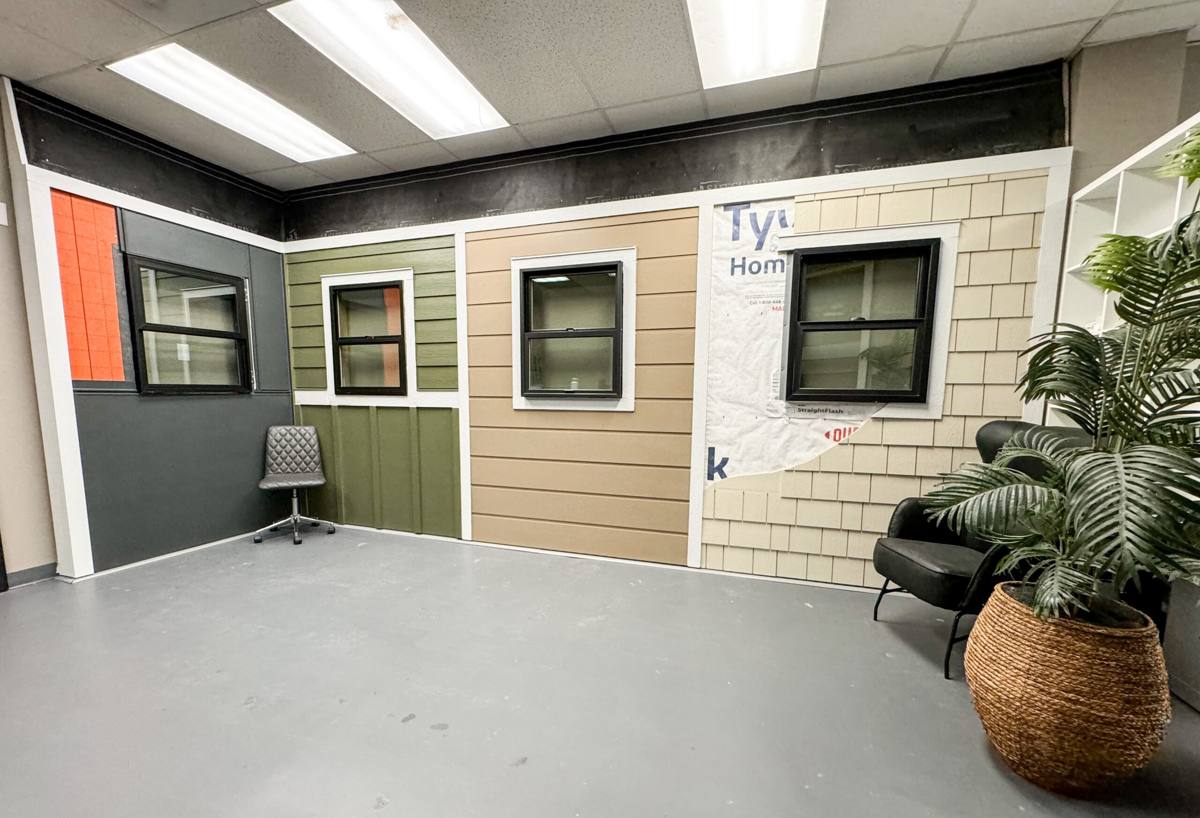
What St. Petersburg's Climate Does to Siding
Kenwood sits close enough to Tampa Bay and the Gulf that every exterior surface in the neighborhood deals with the same combination of stresses: hurricane-force wind events, intense UV exposure nearly every day of the year, wind-driven rain that gets pushed sideways into wall assemblies, and a steady drift of salt air. Any one of those will wear down a siding product over time. Together, they're why so many original wood-sided homes in the neighborhood have needed repeated scraping, patching, and repainting for decades.
What this means for material choice
- Wind — fastening pattern and product wind rating matter more here than in inland climates
- UV — paint and factory finishes fade and chalk faster under Florida sun
- Wind-driven rain — housewrap, flashing, and drainage details behind the siding matter as much as the siding itself
- Salt air — accelerates corrosion of fasteners and hardware, and breaks down some coatings faster than plain humidity would
Matching Hardie to a Historic Home's Character
One of the most common concerns we hear from Kenwood homeowners is that fiber cement siding will make a historic bungalow look generic. That's a fair worry if it's installed without attention to the original design — but it's avoidable. James Hardie's lap siding comes in multiple reveal widths and profiles, and matching the new reveal to the old one (rather than defaulting to whatever's easiest to install) is what keeps a home looking like itself.
Details that preserve character
- Matching the exposed reveal width to the original wood siding, not a wider modern reveal
- Keeping trim boards, corner boards, and window casings proportioned the way they were originally
- Choosing a ColorPlus finish color that reads as a traditional bungalow color rather than a contemporary palette
- Preserving decorative details — brackets, exposed rafter tails, porch trim — that define the Craftsman look, working the new siding around them rather than covering them over
This is slower and more deliberate work than a straightforward re-side on a newer house, and it's part of why a crew's prior experience with older Kenwood-style homes matters as much as their experience with James Hardie itself.
What a Correct Installation Involves
Fiber cement siding is only as good as the installation behind it. On an older home, that starts with what's already on the wall. Original sheathing, framing, and any past repairs get inspected before anything new goes up, because siding installed over compromised sheathing or old damage just traps the problem behind a new surface.
The installation fundamentals we don't skip
- Housewrap or a compliant water-resistive barrier installed correctly, lapped to shed water downward
- Proper flashing at every window, door, and penetration — this is where most wind-driven rain intrusion actually happens
- Correct fastener type and spacing for Hardie's published wind-load requirements, not a generic nailing pattern
- Minimum clearance from grade, roofing, and decking per manufacturer spec, so the bottom edge of the siding isn't sitting in standing water or landscaping mulch
- Factory-cut and factory-primed edges kept intact wherever possible, since field-cut edges need proper sealing to perform as designed
- Joints and butt seams treated per Hardie's installation instructions rather than just caulked and painted over
Skipping any one of these doesn't show up on day one. It shows up two or three years later as a soft spot, a stain, or a section that's failing while the rest of the wall looks fine.
Permits and Historic Review Considerations
Exterior work in a recognized historic district in St. Petersburg generally goes through some level of design review before a building permit is issued, in addition to standard permitting. The specifics of what's required depend on the property and current city procedure, so we don't guess at that part — we pull the actual requirements for the address before proposing a siding profile or color, rather than assuming a Kenwood job can be treated like a standard re-side. Homeowners in the neighborhood are usually already familiar with this extra step from prior exterior projects; a crew that's done it before can move through it a lot faster than one encountering it for the first time.
Our Process for a Kenwood Siding Project
- Inspection: We look at the current siding, trim, and sheathing condition, and take note of the existing reveal, profile, and trim details worth preserving.
- Historic review check: We confirm what design review or documentation the specific property requires before finalizing a plan.
- Product and profile selection: We match a James Hardie lap profile, reveal, and ColorPlus color to the home's existing character, or to what's required by district guidelines.
- Prep and repair: Any damaged sheathing or framing gets addressed before new siding goes up — never covered over.
- Installation: Housewrap, flashing, fastening, and clearances installed to manufacturer spec, with trim and architectural details preserved.
- Final walkthrough: We check reveals, seams, and finish consistency before calling the job done.
Cost Factors on a Historic Kenwood Home
Every siding job prices out differently, but a few factors specifically affect Kenwood projects more than a standard re-side elsewhere in Pinellas County.
| Factor | Why It Matters Here |
|---|---|
| Historic design review | May require a specific profile, reveal, or color match, which narrows product choices and can add time to the approval step |
| Trim and detail preservation | Craftsman-era trim, brackets, and porch details take more careful hand-fitting than a plain modern elevation |
| Sheathing condition | Older homes are more likely to need sheathing repair once old siding comes off, which isn't always visible until demo starts |
| Home size and elevation count | Bungalow footprints vary, but dormers, porches, and multiple roof lines add cutting and flashing detail |
| Access | Mature trees and tight lot lines common in Kenwood can affect staging, scaffolding, and material staging on site |
Choosing a Contractor for a Historic Kenwood Home
Not every siding crew is set up to do this work well. A contractor used to production-style re-sides on newer construction may not think twice about widening a reveal or skipping trim details that a Kenwood home actually needs preserved. Before hiring anyone for a historic-district siding job, it's worth asking directly about their experience with older homes specifically.
- Have they completed siding projects in Kenwood or other St. Petersburg historic districts before?
- Can they explain how they'll match the new reveal and trim to the home's existing profile?
- Do they handle the historic design review step, or leave that entirely to the homeowner?
- Do they install to James Hardie's published fastening, flashing, and clearance specifications — not just "similar to code"?
- Will they inspect and address sheathing condition before installing, rather than siding over existing damage?
- Are they a factory-trained or preferred Hardie installer, and can they speak specifically to HZ5 climate-zone product requirements for this area?
Why Local Kenwood Experience Matters
A crew that has already worked in Historic Kenwood knows the rhythm of the neighborhood's review process, has a feel for the trim and reveal details that come up house after house, and isn't learning Florida's climate demands on your project. That combination — historic-home carpentry sense plus a manufacturer-correct James Hardie installation — is what keeps a re-sided Kenwood bungalow looking original on day one and performing like a modern exterior for decades after, through the wind, sun, rain, and salt air that come standard with living this close to Tampa Bay.
If you're weighing a siding project on a Kenwood home, we're happy to walk the property, talk through what the historic review process will involve for your address, and put together a straightforward, no-pressure estimate.