 St. Petersburg Window
 Gulfport's Waterfront Location Puts Extra Wear on Every Roof
Gulfport sits right on the water in Pinellas County, wedged between St. Petersburg and the Gulf beaches. That location is a big part of what makes it a great place to live, and it's also exactly why roofs here take more of a beating than roofs a few miles inland. Homes closer to the bay get more direct wind, more airborne salt, and less tree cover to break up direct sun than homes further from the water. None of that means a Gulfport roof is doomed — it just means repairs have to account for conditions that a generic patch job doesn't.
The combination that matters most here is hurricane-force wind gusts during storm season, intense year-round UV exposure, wind-driven rain that gets pushed sideways into flashing and vents instead of just falling straight down, and salt-laden air that slowly corrodes metal fasteners, flashing, and vent components. Any one of these on its own is manageable. Together, over years, they're why roofs in this part of Pinellas County tend to need attention sooner than the "20-year shingle" label on the package would suggest.
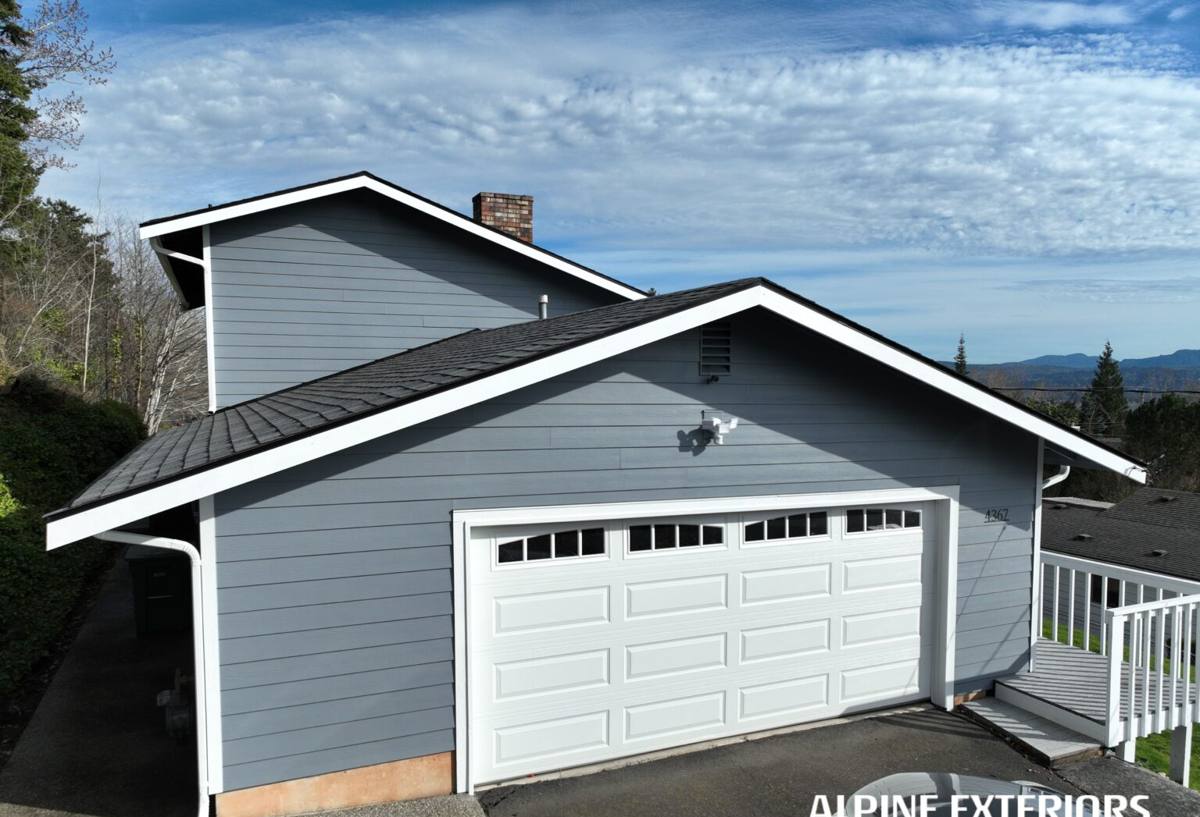
Common Roof Repair Issues We See on Gulfport Homes
Wind-Lifted and Cracked Shingles
Repeated gusts work shingle tabs loose over time, even when nothing dramatic ever happens in a single storm. Once a tab is lifted even slightly, wind gets underneath it more easily next time, and the cycle accelerates. Cracked or curling shingles are often a sign of this slow wind fatigue combined with UV-dried asphalt, not a single storm event.
Flashing and Vent Boot Failures
Flashing around chimneys, walls, and roof-to-wall transitions, along with the rubber boots around plumbing vent pipes, are usually the first things to fail on an otherwise sound roof. Rubber boots dry out and crack under constant sun; flashing seams open up as wind-driven rain repeatedly tests them from angles that vertical rain never would. These small failures cause a disproportionate share of the leaks we get called out for.
Salt-Laden Air and Corrosion
Being close to the bay means more salt in the air, and salt is hard on exposed metal — nail heads, flashing edges, drip edge, and any older or lower-grade fasteners. Corroded fasteners lose their grip on shingles and flashing, which is a slow, easy-to-miss cause of leaks that only shows up once you're actually up on the roof looking closely.
Sun-Baked, Brittle Roofing
Florida's UV load is intense year-round, not just in summer. Asphalt shingles lose their oils and become brittle faster here than in most of the country, which shows up as granule loss, curling edges, and shingles that crack rather than flex when walked on or worked around during a repair.
Ponding on Additions and Lower-Slope Sections
Many homes in Gulfport's older bungalow and mid-century housing stock have had porches, additions, or carports added on over the years, often with a lower-slope or flat section tied into the main roof. These transitions are common trouble spots for ponding water and slow drainage, which is a different repair problem than storm damage on the main roof and needs to be diagnosed separately.
What an Honest Roof Repair Actually Involves
A correct repair isn't just sealing the spot where water is currently showing up inside the house. Water travels sideways under shingles and underlayment before it ever drips through a ceiling, so the visible leak and the actual entry point are often in different places. A repair that only addresses the visible spot tends to come back within a season or two.
What a proper repair looks like:
- Finding the actual entry point, not just the interior symptom
- Checking the decking underneath for soft spots or rot before closing anything back up
- Replacing damaged underlayment, not just shingles, where water has gotten past the surface layer
- Using corrosion-resistant fasteners and flashing appropriate for a coastal environment
- Matching the repair to the existing roof's material, color, and pattern as closely as possible
- Checking attic ventilation, since poor airflow accelerates the sun and heat damage that leads to repeat repairs
- Pulling any required permit and meeting current Florida Building Code requirements for the work performed
Our Repair Process, Step by Step
- Inspection and estimate. We get up on the roof, not just look at it from the ground, and check the area around the reported problem as well as the rest of the roof for related wear.
- Diagnosis. We trace the actual path water is taking, which is often not a straight line from the interior stain to the roof surface directly above it.
- Honest options. We explain what's driving the damage, what a repair will and won't solve, and whether the roof's overall age and condition make repair the right call or just a delay.
- The repair itself. Damaged materials come out, decking is checked and replaced if needed, and new materials go in with attention to matching and to correct fastening and flashing detail.
- Cleanup and walkthrough. We clear debris and walk the completed work with you so you know exactly what was done and where.
- Follow-up. Repairs come with a clear understanding of what's covered and for how long, and we're reachable if anything about the repair area needs a second look.
Repair or Replace? How We Help You Decide
Not every roof problem calls for a full replacement, and not every roof is a good candidate for another round of patching. We'll give you a straight answer based on what we actually find, not a default toward the bigger job.
| Factor | Leans Toward Repair | Leans Toward Replacement |
|---|---|---|
| Roof age | Well within expected lifespan | At or past expected lifespan for the material |
| Extent of damage | Isolated to one area or component | Widespread across multiple roof sections |
| Decking condition | Solid, no rot found | Soft spots or rot found in multiple areas |
| Storm history | Single recent event, otherwise sound roof | Cumulative wind and UV damage over many years |
| Insurance situation | Damage doesn't meet claim thresholds | Damage supports a covered replacement claim |
Materials and Code Considerations for Coastal Pinellas County Homes
Florida's building code sets wind-resistance requirements for roofing work, and those requirements are not optional extras — they're the baseline for a repair that's actually built for this area. For coastal communities like Gulfport, that means paying attention to a few things beyond just the surface layer:
- Fasteners and flashing rated for corrosion resistance, not standard-grade hardware
- Underlayment quality appropriate for wind-driven rain exposure, not just minimum code
- Correct nailing patterns and shingle sealing for the wind zone the home sits in
- Proper permitting so the work is documented and inspected, which also protects you at resale or with insurance
We work with asphalt shingle, tile, and metal roofing, and we match repair materials to what's already on the house whenever a reasonable match exists. When it doesn't, we'll tell you honestly rather than force a mismatch that looks patched-together or performs differently from the surrounding roof.
What Roof Repair Costs Depend On
We don't quote prices sight unseen, because the honest range depends heavily on what we actually find. Broadly, small isolated repairs (a section of flashing, a few shingles, a vent boot) tend to run in the low hundreds of dollars, while larger repairs involving decking replacement or multiple roof sections can run well into four figures. The factors below are what actually move that number:
| Cost Factor | Why It Matters |
|---|---|
| Extent of damage | A single flashing failure costs far less to fix than storm damage spread across several roof planes |
| Roof material | Tile and metal repairs typically involve more labor and specialized materials than asphalt shingle repairs |
| Decking condition | Rotted decking found underneath damaged shingles adds material and labor beyond the surface repair |
| Roof pitch and access | Steeper or harder-to-access roofs take longer to work safely, which affects labor time |
| Matching requirements | Sourcing a close match for older or discontinued shingle colors and profiles can add time |
Why a Crew That Already Works in Gulfport Makes a Difference
Gulfport's housing stock skews older than a lot of newer Pinellas County construction, with a good number of bungalows and mid-century homes that have been added onto or re-roofed more than once over the decades. A crew that regularly works in this specific area gets to know the recurring patterns — which roof types tend to show up, where additions typically create weak transitions, and what kind of damage a given storm track through this stretch of the county tends to leave behind.
That familiarity translates into faster, more accurate diagnosis on-site instead of guesswork, and it means we're not learning the quirks of an older home's roof structure for the first time on your job. It also means a faster response after a storm moves through, since we're not routing a crew in from far outside the area to reach you.
A Simple Maintenance Checklist for Gulfport Homeowners
Between full inspections, a few habits go a long way toward catching problems while they're still small and cheap to fix:
- Do a visual check from the ground after any significant wind event, looking for missing or lifted shingles
- Check attic space periodically for water stains, damp insulation, or daylight coming through the decking
- Keep gutters and downspouts clear so water isn't backing up under the roof edge
- Trim back any overhanging branches that scrape shingles or drop debris onto the roof
- Have vent boots and flashing looked at every couple of years, since these fail well before the shingles themselves usually do
- Get a professional inspection after any named storm that brought sustained wind to the area, even if you don't see obvious damage from the ground
If you're dealing with a leak, storm damage, or just want an honest read on where your roof actually stands, we're happy to come take a look. Estimates are free and there's no pressure to move forward — you'll get a straight answer about what needs fixing, what can wait, and what it will actually cost. The form below is the easiest way to get started.