 St. Petersburg Window
 Deck Replacement for Disston Heights Homes
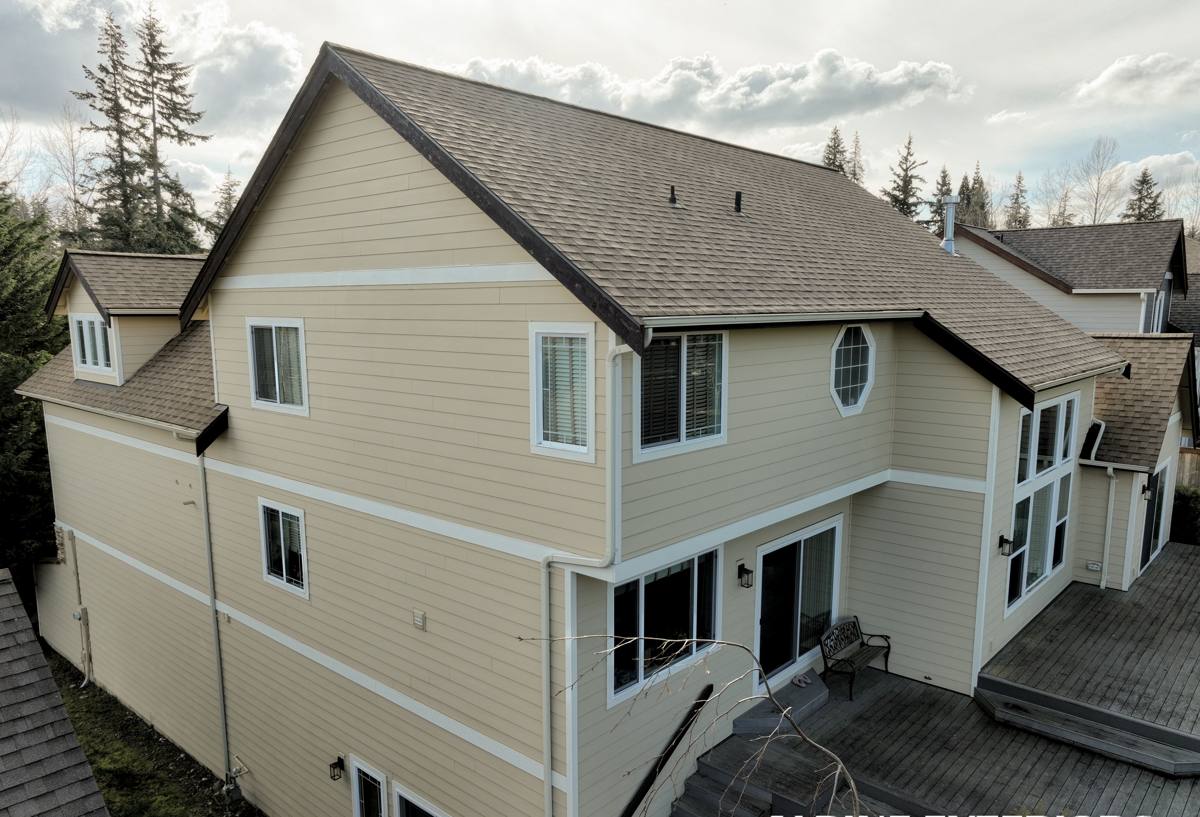
Disston Heights is one of St. Petersburg's older, well-established neighborhoods, and a lot of the decks and outdoor living spaces attached to homes here are getting up in years. If your deck was built more than a decade or two ago, there's a good chance it was framed and finished with materials and methods that just don't hold up to what Pinellas County weather actually throws at a structure. We replace decks in Disston Heights on a regular basis, and we've learned exactly what fails first, why, and how to build the replacement so it lasts.
A deck replacement is different from a repair. Repairs patch what's failing today. A replacement means pulling the structure down to the ledger board and footings (or further, if those are compromised too) and rebuilding with framing, fasteners, and decking chosen specifically for outdoor exposure in a coastal Florida climate. Done right, it's a project you shouldn't have to think about again for a long time.
Why Decks in This Area Fail Faster Than People Expect
St. Petersburg and the surrounding Pinellas County area put four specific stresses on an outdoor deck, and most decks that fail early are failing because they were never built to handle all four at once.
Year-round UV exposure
Florida doesn't really give wood or composite decking an off-season. Constant sun exposure breaks down the lignin in untreated or poorly-sealed wood fibers, and it fades and can embrittle lower-grade composite products over the years. Decking that isn't rated or finished for high-UV climates will visibly degrade faster here than the same product would in a northern state.
Wind-driven rain and standing moisture
Rain here rarely falls straight down. Wind-driven rain gets up under rail caps, into end grain, and into fastener holes — all the spots a deck is most vulnerable. Combined with our humidity, that moisture doesn't evaporate quickly, which is exactly the environment that causes rot in wood framing and corrosion in the wrong hardware.
Salt air
Disston Heights isn't right on the water, but it's close enough to the bay and gulf that salt-laden air is a real factor, especially on breezy days. Salt air accelerates corrosion in standard fasteners, brackets, and any exposed metal. This is one of the most common reasons we find rusted-out ledger connections or corroded joist hangers on decks that otherwise still look okay from a distance.
Hurricane-force wind loads
Even a deck that's never been hit by a direct storm still has to be built to withstand tropical-storm and hurricane-force wind events, because in this area that's a "when," not an "if." Under-built railing posts, weak ledger attachments, and undersized footings are the parts of a deck most likely to fail structurally in high wind — and they're also the parts that are hardest to fix without a full rebuild.
Signs Your Disston Heights Deck Needs Replacing, Not Just Repairing
- Soft, spongy, or springy spots in the decking boards or framing underneath
- Visible rot, discoloration, or fungal growth at the ledger board or post bases
- Rust staining running down from fasteners, brackets, or railing hardware
- Railing posts that wiggle or flex when you lean on them
- Gaps opening up between decking boards beyond normal seasonal movement
- A ledger board separating from the house, or visible daylight behind it
- Footings that have shifted, cracked, or are no longer level
- The deck is more than 15-20 years old and has never been fully rebuilt
One or two of these issues on an otherwise sound deck might be repairable. Several at once, especially anything involving the ledger board, main framing, or footings, usually means a repair is just delaying the inevitable and spending money that would be better put toward a proper rebuild.
What a Correct Deck Replacement Involves
Full structural assessment
Before we quote a replacement, we look at the whole system — the ledger board attachment to the house, the condition of any existing footings, the framing layout, and how water has historically moved across the deck. This tells us whether we're doing a straight rebuild on the existing footprint or whether the footings and layout need to change too.
Ledger board and flashing
The ledger board — the piece that attaches the deck to your house — is the single most important structural connection on any deck, and it's also the number one spot we find water damage on older Disston Heights decks. A correct replacement uses proper structural fasteners (not just deck screws), and installs flashing that actually sheds water away from the house rather than trapping it against the rim joist.
Framing and fasteners rated for coastal exposure
We frame with lumber and hardware rated for exterior, high-moisture use, and in areas exposed to salt air we use corrosion-resistant fasteners and connectors rather than standard-grade hardware. This is one of those decisions that costs a little more up front and saves a full rebuild down the road.
Footings sized for the load and the wind
Footings need to be sized and set to actual structural requirements, not just "what was there before." If the original footings are undersized, shifted, or shallow, we address that as part of the replacement rather than building a new deck on an old, compromised foundation.
Decking material selection
We'll walk you through the honest trade-offs between wood and composite decking for this climate — maintenance burden, moisture behavior, upfront cost, and long-term appearance — so you can pick what actually fits your budget and how much upkeep you want to do, not what's trendiest.
Railing, stairs, and code compliance
Railing height, baluster spacing, and stair geometry all need to meet current building code, which has often changed since an older deck was originally built. A replacement is the right time to bring these up to current standards rather than carrying old-code deficiencies forward.
Wood vs. Composite Decking: The Honest Trade-offs
| Factor | Wood (pressure-treated) | Composite |
|---|---|---|
| Upfront cost | Lower | Higher |
| Maintenance | Regular sealing/staining needed, especially with year-round Florida sun | Minimal — periodic cleaning, no sealing |
| UV fade resistance | Fades and grays without upkeep | Varies by product; quality composites hold color well |
| Moisture behavior | Can absorb moisture, swell, and rot if not properly sealed and maintained | Doesn't absorb moisture or rot, but installation must allow for expansion/contraction |
| Feel underfoot in summer heat | Stays relatively cool | Can get noticeably hot in direct sun; lighter colors help |
| Typical lifespan (properly installed) | 15-20+ years with consistent maintenance | 25-30+ years with minimal maintenance |
Neither option is wrong — it depends on how much maintenance you're willing to do and what you're trying to spend upfront. We'll give you our honest read for your specific deck rather than pushing whatever has the best margin.
Our Deck Replacement Process
- On-site assessment — We inspect the existing deck, ledger connection, footings, and framing to determine full scope.
- Written estimate — You get a clear breakdown of materials, structural work, and cost before anything is scheduled.
- Permitting — Deck replacements in Pinellas County typically require a permit; we handle that process so it's done correctly and inspected.
- Demolition — Careful removal of the old structure, checking what's reusable (rarely much on an older deck) and what's not.
- Rebuild — Ledger, framing, footings, decking, and railing installed to current code with materials suited to this climate.
- Final walkthrough — We go over the finished deck with you and make sure everything meets your expectations before we call the job done.
Cost Factors for a Disston Heights Deck Replacement
| Factor | Impact on Cost |
|---|---|
| Deck size and layout complexity | Larger decks and multi-level or angled designs increase material and labor cost |
| Decking material chosen | Composite costs more upfront than wood but less over the deck's lifetime |
| Condition of footings | Footings that need to be replaced or resized add cost but are not optional if compromised |
| Railing style | Cable, glass, or custom railing systems cost more than standard baluster railing |
| Stairs | Additional stair runs add material and labor |
| Permit requirements | Permitting and inspection fees are typically a modest, fixed add to the project |
We give firm, written estimates after seeing the deck in person — we don't quote sight unseen, because the condition of what's underneath the surface (framing, footings, the ledger connection) makes a real difference in scope.
Why Hire a Crew That Already Works in Disston Heights
A deck replacement done by a crew unfamiliar with this specific area tends to under-build for the conditions — using standard hardware instead of corrosion-resistant fasteners, skipping proper ledger flashing, or sizing footings to a generic spec instead of what Pinellas County wind loads actually call for. We work in and around St. Petersburg and Disston Heights regularly, so we already know what the salt air, sun, and storm exposure here do to a deck over time, and we build accordingly the first time. We're also familiar with the local permitting process, which keeps the project moving instead of stalling on paperwork.
Get a Free Estimate
If your deck in Disston Heights is showing its age — soft spots, rust stains, a shaky railing, or it's just been out there through one too many Florida summers — we'll come take a look and give you an honest, no-pressure assessment of what it needs. Fill out the form below for a free estimate on your deck replacement.