 St. Petersburg Window
 Deck Building in Bartlett Park: Built for This Climate, Not a Generic One
Bartlett Park sits close enough to Tampa Bay and the Gulf that every outdoor structure on a property deals with the same three enemies: intense sun, salt-laden air, and the wind and rain that come with a Florida hurricane season. A deck built the way it might be built in a drier, cooler part of the country will show problems here fast — cupped boards, corroded fasteners, loose railings, and finishes that fail within a couple of seasons instead of a couple of decades. A deck built correctly for St. Petersburg and Pinellas County conditions can look and perform well for many years with reasonable upkeep. The difference is almost entirely in material choice, fastening, and structural detailing, not in anything visible to the eye on install day.
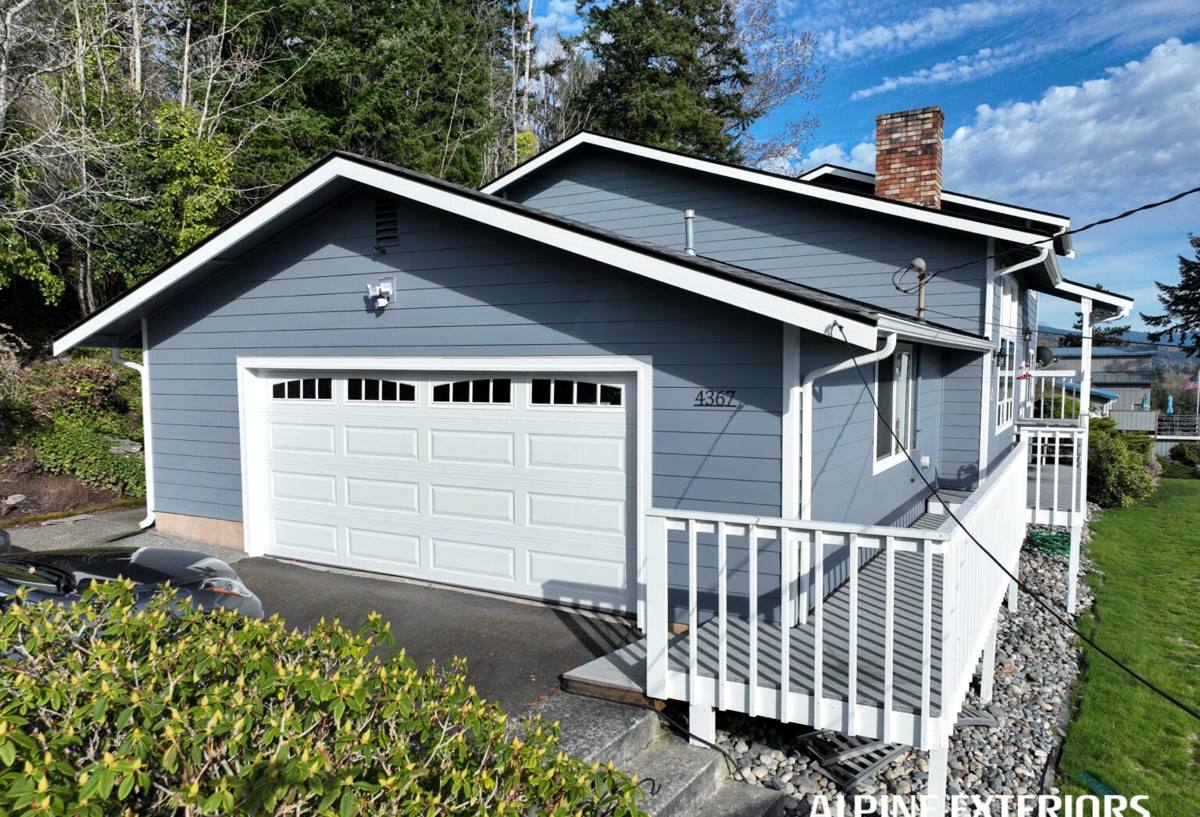
What St. Petersburg's Climate Actually Does to a Deck
Before talking about materials or process, it helps to understand what a Bartlett Park deck is actually up against year-round.
Year-Round UV
Florida sun is stronger and more constant than almost anywhere else in the country. UV breaks down the lignin in wood fibers, fades stains and finishes, and degrades the surface layer of lower-grade composite products. A deck here needs a finish schedule or a material rated for high-UV exposure — not a product spec written for a northern climate.
Humidity and Wind-Driven Rain
Pinellas County's humidity keeps moisture in wood longer than it would sit in a drier region, and summer storms often drive rain sideways under eaves and railings. That moisture cycle — wet, humid, wet again — is what causes warping, cupping, and fastener corrosion long before a deck reaches the end of its structural life.
Salt Air
Bartlett Park's proximity to the bay means a steady low-level dose of salt in the air, even without direct waterfront exposure. Salt accelerates corrosion in any fastener, bracket, or connector that isn't rated for coastal use. This is one of the most common reasons decks in this area develop rust streaks and loose hardware years before the decking itself wears out.
Hurricane-Force Wind
A deck isn't just a surface to walk on — it's a structure attached to the house, and it has to survive uplift and lateral loads during tropical storms and hurricanes. Ledger board attachment, post anchoring, and railing connections all need to be engineered with that in mind, not just built to look sturdy.
Choosing Decking Material for Bartlett Park Conditions
There's no single "best" decking material — there's a best material for this climate and this budget. Here's how the common options actually perform under Gulf Coast sun, humidity, and salt air.
| Material | UV/Fade Resistance | Moisture Behavior | Maintenance | Typical Lifespan Here |
|---|---|---|---|---|
| Pressure-treated pine | Fades and grays without upkeep | Absorbs moisture, prone to cupping/warping if not sealed | Re-seal or re-stain every 1-2 years | 10-15 years with upkeep |
| Tropical hardwood (ipe, etc.) | Very durable, still grays if unfinished | Naturally moisture-resistant, dense grain | Oiling every 1-2 years to hold color | 20-25+ years |
| Capped composite | Good to excellent depending on grade | Resists rot, doesn't absorb water into the core | Periodic washing, no sealing/staining | 25-30 years |
| PVC decking | Excellent, engineered for sun exposure | Fully moisture-proof, won't rot or swell | Washing only | 25-30+ years |
We don't push one product line on every job. Uncapped, budget-grade composite is one product category we steer clients away from for full sun/high-humidity exposures like Bartlett Park — the exposed composite core can absorb moisture at cut ends and fastener holes over time, which shows up as swelling at board edges. That's a maintenance and warranty-structure trade-off worth knowing before you buy, not a claim that the material is unusable everywhere.
Structural Details That Matter More Here Than Elsewhere
The framing underneath a deck is where wind resistance and long-term stability actually get decided. A few details we treat as non-negotiable on every Bartlett Park deck:
- Ledger attachment: Properly flashed and lag-bolted or through-bolted into structural framing — not just nailed to siding.
- Post-to-footing connections: Galvanized or stainless post bases set on footings sized for both the deck's load and local wind uplift, not just the minimum footing depth.
- Joist hangers and hardware: Coastal-rated (stainless or heavy hot-dip galvanized) hangers and fasteners throughout — standard zinc-coated hardware corrodes faster near the bay.
- Railing post attachment: Through-bolted with blocking, not just screwed to the rim joist, since railings take significant lateral load in wind gusts and everyday use.
- Board spacing and fastening: Gapped appropriately for the material's expansion/contraction range in Florida's heat and humidity swings, with hidden or coated fasteners to reduce surface corrosion staining.
How Our Deck Building Process Works
1. On-Site Assessment
We walk the property, look at drainage, sun exposure, existing structure (for replacements), and how the deck will be used, then talk through material options honestly — including trade-offs, not just upsells.
2. Design and Layout
We plan footing locations, ledger attachment points, joist spacing, and railing layout around the specific loads and code requirements for the site, not a one-size template.
3. Permitting
Decks attached to a home in St. Petersburg and unincorporated Pinellas County generally require a building permit and inspection. We handle the permit submission and coordinate inspections so the finished structure is documented and code-compliant — which also matters for insurance and resale down the road.
4. Framing and Structural Work
Footings, posts, ledger, and joists go in first, with every connection point built to the coastal hardware standard described above, inspected before decking goes down.
5. Decking, Railings, and Finish
Decking is installed with proper spacing and fastening for the chosen material, railings are through-bolted, and any staining, sealing, or finish work is done last.
6. Final Walkthrough
We go over the finished deck with you, including a plain-language rundown of what maintenance it actually needs and on what schedule.
Permitting and Code Considerations Around St. Petersburg
Because Pinellas County is a high-wind coastal jurisdiction, deck construction here is reviewed with wind load and attachment details in mind, not treated as a minor backyard project. Skipping the permit process might save time up front, but it creates real problems later — unpermitted structural work can complicate a home sale, cause issues with homeowners insurance after storm damage, and in some cases require the deck to be partially rebuilt to bring it up to code retroactively. Pulling the permit correctly the first time is cheaper than fixing it after the fact.
What a Deck Actually Costs to Build Right
Exact pricing depends on size, framing complexity, material, and site access, but here are the broad factors that move the number up or down.
| Cost Factor | Why It Matters Here |
|---|---|
| Decking material choice | Pressure-treated is the lowest upfront cost; PVC and capped composite cost more but need far less upkeep in this climate |
| Height and footing depth | Elevated decks need deeper footings and more structural bracing for wind resistance |
| Railing style and hardware | Coastal-rated hardware and certain railing infill materials add cost but reduce corrosion issues |
| Attachment to the home | Ledger flashing and structural tie-in work can vary with the home's existing framing and siding |
| Permitting and inspections | A properly permitted deck adds a modest cost but protects the investment long-term |
We give straightforward, itemized estimates so you can see where the money is going and make an informed call on material and scope rather than guessing.
Maintaining a Deck in Bartlett Park's Climate
Even the best-built deck needs some seasonal attention here. A simple maintenance routine goes a long way toward getting the full lifespan out of the structure:
- Rinse off salt residue, pollen, and debris every few weeks, especially after storms
- Check railing posts and stair connections for looseness once or twice a year
- Inspect fasteners and hardware for rust streaking, which signals it's time to address corrosion before it spreads
- Re-seal or re-stain wood decking on the schedule appropriate to the specific product (typically every 1-2 years in this sun exposure)
- Keep gutters and downspouts clear so runoff doesn't pool against footings or ledger flashing
- Trim back vegetation that holds moisture against the deck surface or framing
Why Local Experience in Bartlett Park Actually Matters
A deck builder who works this specific part of St. Petersburg regularly already knows the practical realities that matter for the build: how Pinellas County's permitting and inspection process runs, which hardware and materials hold up against the salt air this close to the bay, and how lots in this area tend to be graded and drained. That local pattern recognition shows up in fewer surprises during permitting, fewer callbacks for corrosion or loosening down the road, and a deck that's actually specified for the conditions it will sit in rather than a generic national spec sheet. It's the difference between a deck that needs attention every year and one that just quietly holds up.
If you're planning a new deck or replacing an aging one in Bartlett Park, we're happy to walk the property and put together a straightforward, no-pressure estimate — just fill out the form below to get started.