 St. Petersburg Window
 Custom Windows Built for Pinellas Point's Waterfront Exposure
Pinellas Point sits on the peninsula's southern tip, surrounded by water on three sides. That location is part of what makes the neighborhood desirable, but it also means homes here take a harder hit from the elements than houses just a few miles inland. Salt-laden air off Tampa Bay and the Gulf, near-constant sun exposure, and wind-driven rain during storm season all work against ordinary windows day after day. When we talk about "custom windows" for this area, we don't just mean non-standard sizes — we mean windows specified, built, and installed to hold up against conditions that are tougher than what a generic home center product is designed for.
A lot of the housing stock in and around Pinellas Point includes older ranch-style homes, canal-front properties, and mid-century construction with window openings that don't match modern standard sizes. That's where custom comes in: instead of forcing a stock size into an opening and packing the gaps with trim, we measure and order windows built to fit the actual rough opening, with frame materials and glass packages matched to a coastal environment.
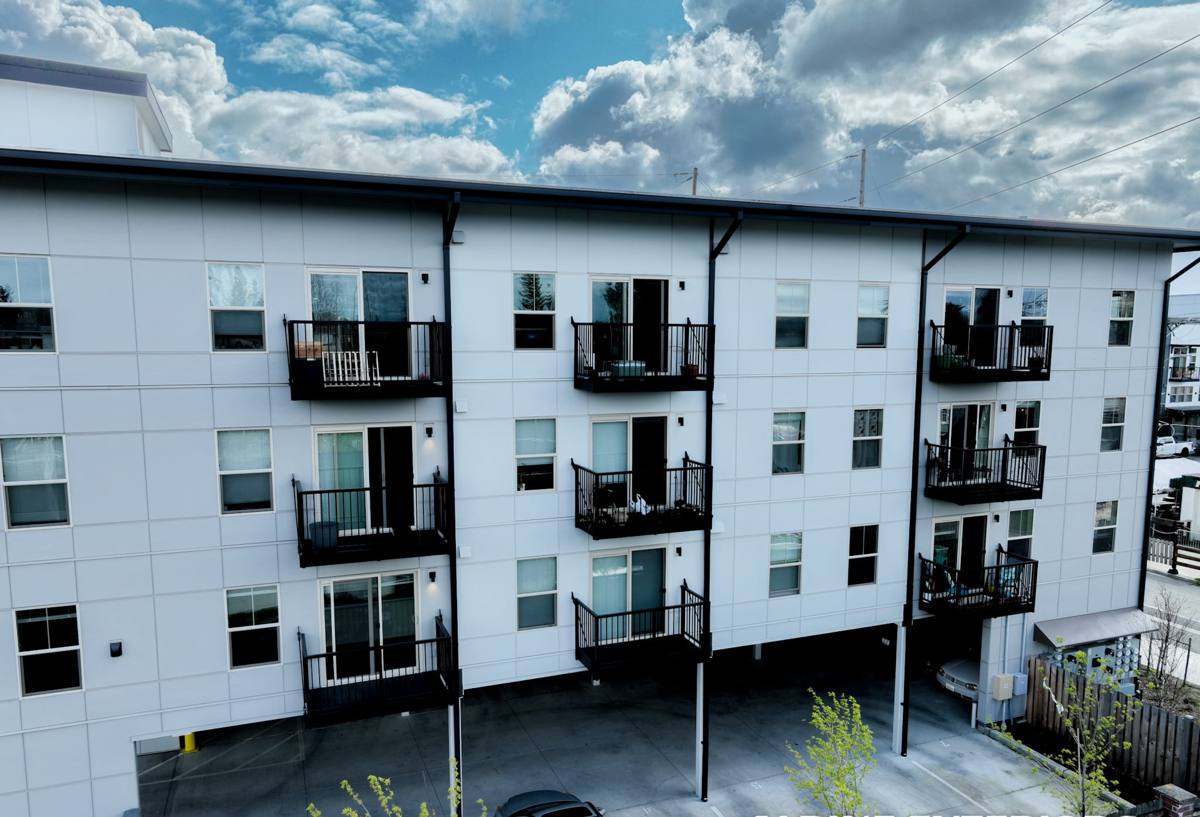
What St. Petersburg's Climate Actually Does to Windows
It helps to understand the specific stresses at work, because they drive every decision in a proper installation.
Salt Air and Corrosion
Airborne salt from the Bay and Gulf settles on everything, including window frames, hardware, and screens. Over years, it accelerates corrosion on lower-grade metal components, pits aluminum finishes, and can cause hardware to seize or fail. This is a bigger factor in Pinellas Point than in inland Pinellas County neighborhoods simply because of the proximity to open water on multiple sides.
UV Exposure
Florida gets strong, direct sun essentially year-round. UV breaks down cheap vinyl, fades interior finishes, and degrades weatherstripping and seals faster than in most other parts of the country. Glass packages and frame materials that aren't UV-stabilized will show it within a few years — chalking, warping, or seal failure.
Wind-Driven Rain and Storm Pressure
Even outside of a direct hurricane hit, St. Petersburg gets frequent heavy squalls where rain comes in sideways. A window that isn't properly flashed and sealed will let water intrude around the frame long before the glass itself is ever a problem. During named storms, wind pressure and windborne debris are the real test of a window's structural rating and the quality of its installation.
Humidity and Condensation
High year-round humidity means any gap in the seal or poor-quality insulated glass unit will fog, sweat, or eventually develop interior condensation between the panes — a sign the seal has failed.
What a Correct Custom Window Job Involves
"Custom" isn't a marketing word — it describes a specific process, and skipping steps is how homeowners end up with leaks, drafts, or storm damage.
Accurate Measurement and Product Selection
We measure each opening individually. Older Pinellas Point homes often have settled or slightly out-of-square openings, and a proper measurement accounts for that rather than assuming everything is standard. From there, we help you choose frame material, glass package, and impact rating appropriate for the home's exposure — a canal-front property facing open water gets a different specification conversation than a home set back on an interior street.
Impact-Rated Glass Considerations
Florida's building code in coastal wind zones typically requires either impact-rated windows or an approved protection system for openings. In a location like Pinellas Point, with direct exposure to Bay winds, we generally recommend impact-rated glass over relying solely on separate shutters — it's protection that's in place year-round without anything to deploy before a storm. That said, code requirements and wind zone maps vary by exact address and permit jurisdiction, so we confirm the actual requirement for your property rather than assuming.
Flashing and Water Management
This is the step that gets rushed on cheap installs and causes the most callbacks industry-wide. Proper flashing tape, sill pans, and sealant sequencing keep wind-driven rain from tracking behind the frame into the wall cavity. We treat this as non-negotiable, not an upsell.
Sealing and Insulation
Low-expansion foam or backer rod and sealant around the frame perimeter, done correctly, closes air and water paths without bowing the frame out of square. Over-filled or under-filled gaps are a common source of both drafts and long-term seal failure.
Frame Material Comparison for Coastal Exposure
| Frame Material | Salt Air Resistance | Maintenance | Typical Trade-Offs |
|---|---|---|---|
| Vinyl (UV-stabilized) | Good — won't corrode | Low | Can discolor over many years in intense sun if not UV-rated; frame color options are more limited |
| Aluminum (coastal-grade, powder-coated) | Fair to good depending on coating quality | Moderate — coating needs to stay intact | Thinner sightlines but conducts heat/cold more than vinyl; coating breach can lead to pitting near the coast |
| Fiberglass | Very good | Low | Higher upfront cost; fewer stock options, often a special-order item |
| Wood-clad | Poor without diligent upkeep | High | Best interior appearance but the most vulnerable to humidity and salt air if cladding or seals are compromised |
We don't push one material for every home. A lot of it comes down to budget, the home's exposure, and how much upkeep you want to take on. What we do push back on is any product — regardless of brand — installed without a coastal-appropriate spec, because that's where premature failures come from.
Our Process for a Pinellas Point Project
- Site visit and assessment — we look at every opening, note framing condition, existing water damage, and exposure direction (a window facing open water gets treated differently than one on a sheltered wall).
- Measurement and product selection — custom sizing, frame material, and glass package chosen based on that assessment and your budget.
- Permitting — window replacement in Pinellas County generally requires a permit, especially when it involves structural openings or impact-rated glass tied to wind zone compliance. We handle that paperwork.
- Removal and prep — old units come out carefully to protect surrounding stucco, siding, or interior trim; we check the rough opening for rot or moisture damage before anything new goes in.
- Installation — proper flashing, shimming to true square and plumb, and mechanical fastening per the manufacturer's coastal installation instructions.
- Sealing and finishing — interior and exterior sealant, trim work, and a final operational check on every window.
- Walkthrough — we go over care and maintenance specific to a salt-air environment before we consider the job done.
Why Local Experience in This Neighborhood Matters
Pinellas Point isn't a generic subdivision — it's a specific stretch of the St. Petersburg peninsula with its own mix of home ages, lot orientations toward the water, and permitting particulars through the city and Pinellas County. A crew that has actually worked in this neighborhood knows what to expect from the older housing stock, understands which walls typically face the harshest wind and salt exposure, and isn't guessing at code requirements for the first time on your job. That familiarity shows up in fewer surprises — during the estimate, during permitting, and during installation.
It also means faster turnaround on questions. If an issue comes up mid-project — say, hidden rot in a sill discovered once an old window is removed — a local crew can pull from experience with similar homes nearby rather than treating it as a one-off mystery.
Signs It's Time to Replace, Not Just Repair
- Fogging or a permanent haze between panes (failed insulated glass seal)
- Visible daylight or a draft around a closed frame
- Wood rot, soft spots, or staining on the interior trim or sill
- Windows that are difficult to open, close, or lock — often a sign of a warped or corroded frame
- Chalky, pitted, or corroded aluminum hardware and frames
- Rising energy bills with no other clear cause
- Water intrusion after heavy wind-driven rain, even without a full storm
Any one of these on its own might be a repair. Several at once, or a window original to an older home, usually points to replacement being the more cost-effective long-term move.
Cost Factors Homeowners Should Understand
We don't quote exact pricing without seeing the openings, but a few factors consistently move the number up or down on Pinellas Point jobs:
| Factor | Why It Matters |
|---|---|
| Impact-rated vs. non-impact glass | Impact glass costs more upfront but may reduce or eliminate the need for separate storm protection and can affect insurance |
| Custom size vs. stock size | Non-standard openings require special-order units, which take longer and cost more than stock sizes |
| Frame material | Vinyl is generally the most budget-friendly; fiberglass and coastal-grade aluminum cost more upfront |
| Number of openings replaced at once | Doing multiple windows in one project typically lowers the per-window labor cost |
| Existing damage found during removal | Rotted framing or water-damaged sheathing behind an old window adds repair scope that can't always be seen beforehand |
| Permitting and inspection requirements | Impact-rated replacements tied to wind zone compliance often require inspection, which adds time but is required for it to be done correctly |
Maintenance Once Your New Windows Are In
Even the best custom windows need some upkeep in a salt-air environment. Rinsing frames and tracks periodically with fresh water helps prevent salt buildup on hardware and glass. Keeping weep holes clear allows water to drain properly instead of pooling in the frame. And an annual look at exterior sealant for cracking or gaps catches small issues before they become water intrusion problems. None of this is complicated, but skipping it shortens the life of even a well-installed window in this climate.
If you're weighing a window project for a Pinellas Point home — whether it's a full-house replacement or a handful of problem openings — we're happy to come take a look, walk the exposure with you, and put together a straightforward, no-pressure estimate using the form below.