 St. Petersburg Window
 Building Decks for Crescent Lake Homes
Crescent Lake sits close enough to Tampa Bay that every outdoor structure on a home here deals with the same combination of problems: constant UV exposure, salt-laden air moving in off the water, humidity that never really lets up, and the occasional tropical system that tests everything built outside. A deck that looks fine on installation day in Pinellas County can start failing within a couple of seasons if it wasn't designed and built with that reality in mind. We work on homes throughout St. Petersburg, and Crescent Lake's older housing stock, mature tree canopy, and mix of lot sizes make it its own case — decks here need to fit tighter footprints, work around established landscaping, and hold up to weather that doesn't take a break in winter.
This page covers what we actually do when we build a custom deck for a Crescent Lake property: what the climate demands from the materials and hardware, how the process runs from first call to final walkthrough, and why local experience matters more than most homeowners realize until something goes wrong.
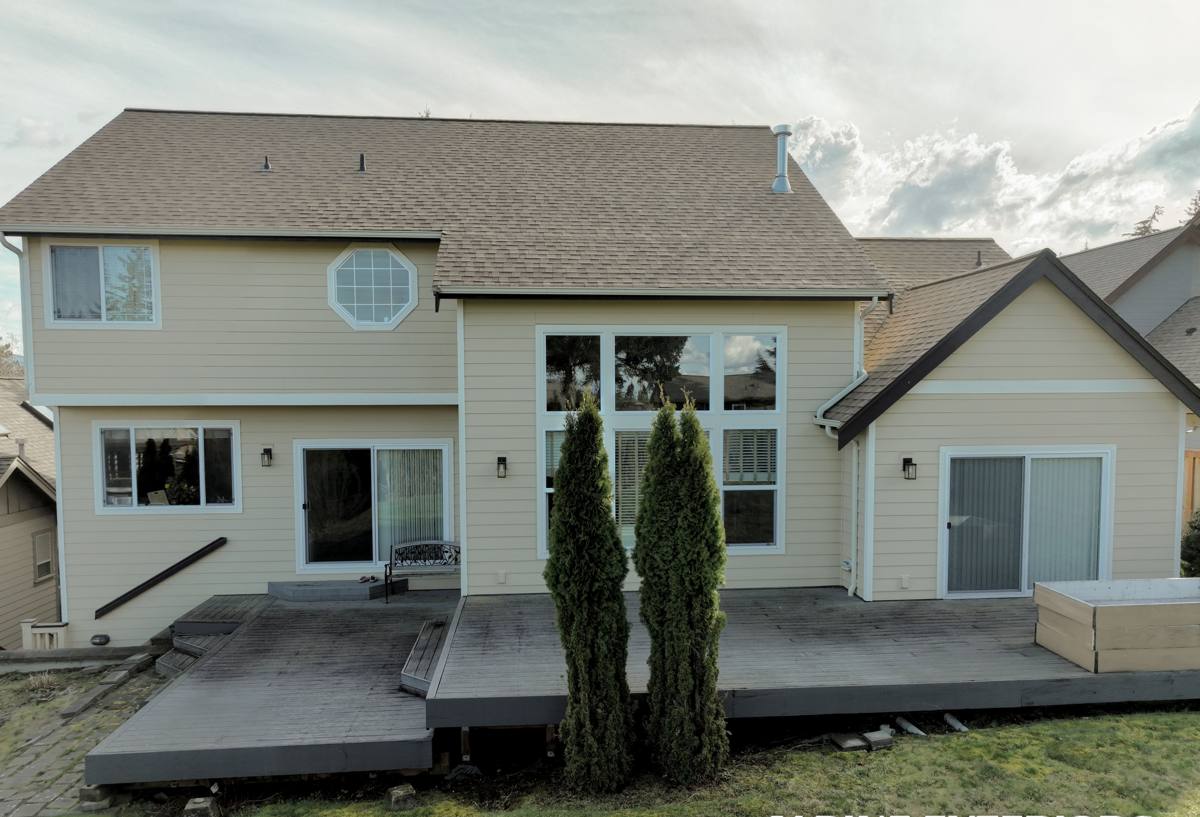
What Crescent Lake's Climate Does to a Deck
Florida's Gulf Coast is hard on any exterior structure, but a handful of specific stresses show up again and again on decks in this part of St. Petersburg:
- UV degradation: Year-round sun bleaches and dries out wood fibers, breaks down cheaper composite formulations, and accelerates finish failure on anything not rated for constant exposure.
- Salt air corrosion: Even a few miles inland from the bay, airborne salt attacks unprotected steel fasteners, standard hardware, and lower-grade railing systems over time.
- Wind-driven rain: Storms here don't just drop rain straight down — wind pushes water sideways into ledger connections, under boards, and into any gap that wasn't properly flashed or sealed.
- Humidity and moisture cycling: Wood that swells when wet and shrinks when it dries out, day after day, works fasteners loose and opens joints faster than in drier climates.
- Hurricane-force wind loads: Any deck attached to the home has to handle real lateral and uplift forces, not just support foot traffic.
None of this means a deck can't be built well here — it means the design, materials, and fastening details have to account for these conditions from the start, not get patched later.
Why "Standard" Deck Construction Falls Short Here
A lot of deck problems we get called out to look at in St. Petersburg trace back to construction methods that would be perfectly fine in a drier, milder climate but weren't adapted for the Gulf Coast. Untreated or under-rated fasteners rust and stain the decking around them. Ledger boards without proper flashing let water intrude behind the house's siding. Standard construction-grade lumber, even when treated, dries and checks faster under constant sun than it would further north. None of these are dramatic failures on day one — they show up as a soft board, a rust streak, a wobbly railing post, two or three years in.
What a Correctly Built Deck Requires
Fasteners and Hardware
Every fastener, bracket, and connector should be rated for coastal or exterior exposure — stainless steel or hot-dip galvanized hardware at minimum, not standard zinc-coated screws that will streak and weaken over a few humid seasons. This is one of the cheapest details to get right and one of the most common places builders cut corners, because the difference isn't visible until the rust starts.
Structural Connections
The ledger board connection to the house — where the deck attaches to the structure — needs proper flashing to keep wind-driven rain from getting behind it, plus lag bolts or through-bolts sized for the actual load, not just nailed on. Post footings need to go below grade to a depth that accounts for Florida's sandy, shifting soils, and joist hangers need to be the coastal-rated type, installed with the matching hardware rather than mismatched screws.
Decking Material Choice
The decking surface itself is where most homeowners focus, and it's worth thinking through carefully because it drives both the upfront cost and the long-term maintenance burden.
| Material | UV/Sun Behavior | Moisture Behavior | Maintenance |
|---|---|---|---|
| Pressure-treated wood | Fades and can gray without regular sealing | Prone to cupping/checking if not sealed and maintained | Needs re-sealing every 1–2 years in this climate |
| Tropical hardwood (e.g., ipe-class) | Naturally dense, holds up well but will still gray without oiling | Excellent natural moisture resistance | Periodic oiling to maintain color; otherwise low |
| Capped composite | Fade-resistant caps hold color much longer than wood | Doesn't rot, but lower-grade uncapped composites can absorb moisture | Low — occasional cleaning |
| Uncapped/older-generation composite | More prone to fading and surface wear in constant sun | Can absorb moisture at cut edges over time | Moderate — more careful sealing of edges |
We'll walk through these trade-offs honestly for your budget and how you actually use the space — a low-maintenance capped composite makes sense for a lot of Crescent Lake homeowners who want to spend weekends on the water instead of the deck, while others prefer the look and feel of real wood and are fine keeping up with sealing.
Our Process for a Crescent Lake Custom Deck
1. On-Site Consultation
We come out, look at your yard, your home's layout, sun and shade patterns, tree root locations, and how you actually want to use the space — dining, grilling, lounging, connecting to a pool. Crescent Lake lots often have mature trees and established landscaping that shape what's possible, so we design around what's already there rather than fighting it.
2. Design and Material Selection
We put together a layout and go through material options with real numbers — not just "wood vs. composite" in the abstract, but what each choice means for your specific deck size, sun exposure, and how long you want to go between maintenance jobs.
3. Permitting
Deck additions in St. Petersburg generally require a permit, and coastal Pinellas County jurisdictions pay close attention to structural attachment and wind-load details given the hurricane risk. We handle the permit submission and make sure the design meets current code before we ever cut a board.
4. Site Prep and Footings
Footings get set to proper depth for our sandy soil conditions, with layout confirmed against the approved plan before any framing goes up.
5. Framing and Structural Work
This is where the coastal-rated hardware, proper ledger flashing, and correctly sized structural members go in — the part of the job that's invisible once the deck is finished but determines whether it's still solid in ten years.
6. Decking, Railing, and Finish Work
Surface decking, railing systems, and any built-in features (bench seating, stairs, lighting) go in last, with fasteners and finish matched to the material choice.
7. Final Walkthrough
We walk the finished deck with you, check that everything is solid, and go over any maintenance recommendations specific to the material you chose.
Design Considerations Specific to Crescent Lake Properties
Homes in this part of St. Petersburg tend to sit on established lots with mature landscaping, which changes the design conversation compared to a new-construction subdivision. Tree canopy affects sun exposure and can mean more organic debris on the deck surface, which factors into material choice — a material that handles standing moisture from leaf litter well is worth prioritizing under heavy shade. Lot sizes and setback requirements also shape how large a deck can be and where it can go, and older homes sometimes have foundation or grade conditions that need to be checked before footing depth and ledger attachment are finalized.
Maintenance: What to Expect After Installation
Every deck, regardless of material, needs some upkeep in this climate. Here's a realistic checklist for keeping a Crescent Lake deck in good shape year over year:
- Rinse off salt residue and debris periodically, especially after storms or high-wind days
- Inspect fasteners and railing connections annually for looseness or corrosion
- Reseal or re-oil wood decking on the schedule appropriate to the species (typically every 1–2 years)
- Check ledger board flashing and the house-side connection during hurricane season prep
- Clear leaf litter and organic debris from between boards to prevent moisture traps
- Watch for soft spots, cupping, or discoloration and address them before they spread
A deck built correctly the first time makes this list short and manageable. A deck built with shortcuts turns routine maintenance into a repair job much sooner than it should.
Why Local Experience Matters
A contractor who works Pinellas County regularly knows which hardware actually holds up near the bay, what the permitting office expects for wind-load documentation, and how Crescent Lake's soil and tree conditions affect footing work — because they've dealt with it on the last job, not because it's in a manual. That local track record shows up in details a homeowner might not think to ask about until years later: the right flashing behind the ledger, the right grade of stainless fastener, footings set to the right depth for sandy soil that shifts more than clay. We'd rather get those details right the first time than have a homeowner call us back in three years about rust stains or a soft board.
Get a Free, No-Pressure Estimate
If you're considering a custom deck for your Crescent Lake home, we're happy to come take a look, talk through material options honestly, and give you a straightforward estimate — no pressure, no pushy sales pitch. Fill out the form below and we'll get in touch to set up a time.