 St. Petersburg Window
 Coquina Key's Waterfront Setting Puts Extra Stress on Windows
Coquina Key sits on the water, and that changes what a window has to survive here compared to a house a few miles inland. Canal-front and near-shore homes deal with a near-constant drift of salt-laden air, which is hard on any exposed metal — screws, hinges, balance hardware, and unprotected aluminum frames all corrode faster this close to Tampa Bay. Add in intense, near year-round Florida sun and the UV load on glazing seals, vinyl, and weatherstripping is significantly higher than in most of the country. Then there's wind: both the everyday gusts off the open water and the much bigger threat of hurricane-force wind and wind-driven rain during storm season. A window that's a fine choice in a landlocked neighborhood can underperform quickly on a canal lot, and that's the starting point for how we spec and install windows here.
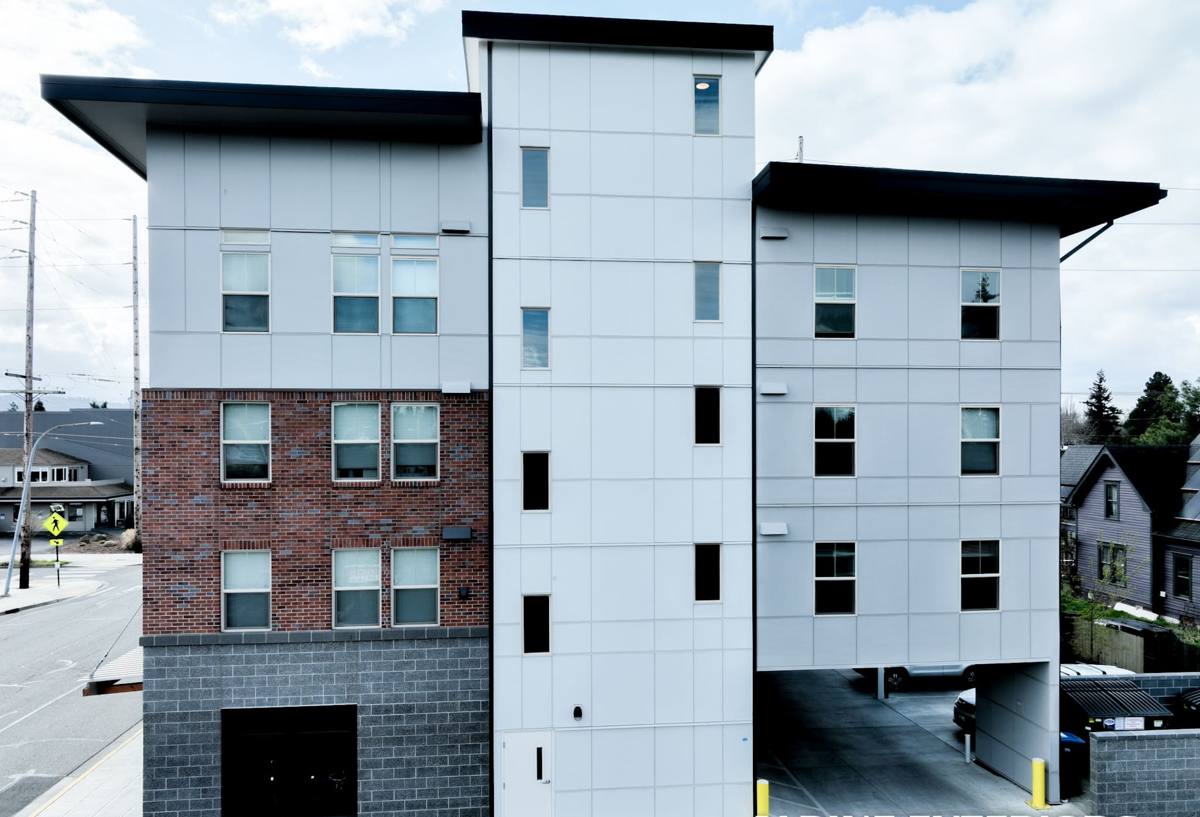
What Coquina Key's Housing Stock Means for the Job
Coquina Key is part of the wave of mid-century Florida development, and a lot of the homes reflect that era of construction — concrete block and stucco (CBS) walls, slab-on-grade foundations, and in many cases original or early-replacement aluminum single-pane windows. Some homes also have older jalousie windows in Florida rooms or additions, which were common in that period but offer essentially no real wind or impact resistance by today's standards. None of this is a knock on the houses — they were built for a different code era. It just means that when we open up a wall for a new window, we're often finding decades of accumulated wear: minor stucco cracking around the opening, old caulk that's failed, or sealant that was never really doing its job in the first place. A correct installation accounts for that reality instead of just dropping a new window into an old, possibly compromised opening.
Florida Building Code and Wind-Borne Debris Requirements
Pinellas County falls within Florida's wind-borne debris region, which means replacement windows on coastal and near-coastal property — including canal-front homes like many on Coquina Key — generally need to meet impact standards or be paired with code-approved protection, and the work needs a permit and inspection. The exact wind speed and pressure requirements for a given address depend on factors like exposure category and distance from open water, which is why we pull the specifics for your property rather than quoting a generic number. We handle the permit application and coordinate the required inspection as part of the job — it's not an optional add-on, it's how the work gets documented as code-compliant, which matters for insurance and for resale down the line.
Choosing Glass and Frames That Actually Hold Up Here
Impact-Rated Glass
For a wind-borne debris zone, impact-rated glass — laminated glass with an interlayer that keeps it intact under impact rather than shattering — is the most straightforward way to meet code without relying on separate shutters or panels you have to install before every storm. It also has a side benefit most homeowners don't expect: because it's a sealed, heavier assembly, it noticeably cuts outside noise, which is worth something on a waterfront lot.
Frame Material
Vinyl, aluminum, and fiberglass all show up in this market, and each has real trade-offs in a salt-air environment rather than one being universally "best." We'll walk through which fits your home, your budget, and your maintenance appetite rather than pushing one material by default.
Low-E Coatings and UV
Given how much direct sun Coquina Key gets year-round, a Low-E coating on the glass is worth the modest upcharge — it cuts down on solar heat gain and UV transmission, which helps with both cooling costs and fading of interior floors, furniture, and window treatments.
| Frame Material | Salt-Air Durability | Maintenance | Typical Cost Position |
|---|---|---|---|
| Vinyl | Good — won't corrode, but can chalk or discolor under heavy UV over many years | Low — occasional cleaning | Lower to mid |
| Aluminum | Fair — needs a quality finish; bare or worn aluminum corrodes faster near the water | Moderate — finish should be checked periodically | Mid |
| Fiberglass | Very good — stable in heat and humidity, resists corrosion | Low | Higher |
What a Correct Installation Actually Involves
Window installation is one of those jobs that looks simple from the outside and is easy to do poorly. The parts that actually determine whether a window performs for the next 20 years happen before the new unit ever goes in:
- Careful removal of the old window without damaging the rough opening
- Inspecting the opening for hidden moisture damage, rot, or corrosion — more common in older canal-front homes than people expect
- Repairing or replacing any compromised framing or stucco before the new window goes in, not after
- Setting the window level, plumb, and square, then shimming correctly so it isn't relying on fasteners alone to hold shape
- Fastening according to the manufacturer's wind-load schedule, not a generic pattern
- Proper flashing and a continuous, compatible sealant bead — this is the single most common point of failure in a bad installation
- Correct interior and exterior trim-out so the finished opening sheds water instead of trapping it
Skip or rush any one of these steps and you can end up with a code-rated window that still leaks or fails under load, because the installation — not the product — was the weak point.
Signs Your Current Windows Are Already Behind
- Fogging or a milky haze between panes (failed seal on dual-pane glass)
- Frames that feel soft, chalky, or show visible pitting and corrosion
- Windows that are difficult to open, close, or lock, or that rattle in wind
- Water staining on interior walls or sills below or beside the window
- Noticeable drafts or a room that's hard to keep cool despite the AC running
- Original single-pane or jalousie windows with no impact rating
Any one of these on their own isn't necessarily urgent, but on a waterfront property they tend to compound faster than inland, so it's worth having them looked at before hurricane season rather than after a storm exposes the problem.
Our Process
The work itself follows a consistent sequence, whether it's a single window or a full-home replacement:
- On-site assessment: we look at your existing openings, wall construction, and any visible moisture or corrosion issues, and measure each opening precisely.
- Product selection: we go over frame material, glass, and impact-protection options based on your home's exposure and your budget, and put together a written quote.
- Ordering and permitting: impact-rated windows are typically manufactured to order, so there's a lead time here; we file the permit application with the local building department during this window.
- Installation: most residential jobs run one to a few days depending on the number of openings, with daily cleanup so you're not living in a construction site longer than necessary.
- Inspection: we schedule the required inspection so the permit closes out properly and the work is documented as code-compliant.
- Walkthrough: we go over the finished windows with you, confirm operation and locking hardware, and provide warranty paperwork for both the product and the installation.
Permitting Isn't Paperwork — It's Protection
It's tempting to treat the permit and inspection step as red tape, but for coastal Pinellas County property it's doing real work for you. A permitted, inspected installation is what confirms the windows actually meet the wind-borne debris and pressure requirements for your specific address — that documentation is often what an insurance adjuster or a future buyer's inspector wants to see. Unpermitted window work can complicate a home sale or an insurance claim later, even if the windows themselves were installed correctly. We'd rather build in the few extra days a permit takes than leave you with an undocumented installation on a waterfront home.
Cost Factors for a Coquina Key Window Project
Every home is different, but the same handful of variables drive most of the cost difference between one job and another:
| Factor | Why It Moves the Price |
|---|---|
| Number and size of openings | More glass and larger units mean more material and labor |
| Impact vs. non-impact glass | Impact-rated laminated glass costs more than standard insulated glass |
| Frame material | Fiberglass generally runs higher than vinyl or aluminum |
| Standard vs. custom sizes | Older homes with non-standard openings often need custom-built units |
| Condition of the rough opening | Rot, corrosion, or stucco repair adds labor before the new window can go in |
| Access | Second-story, over-water, or hard-to-reach openings take more time and equipment |
We give a firm, itemized quote after seeing the actual openings — broad price ranges from a website don't account for the condition of your specific walls, and on older canal-front homes that condition varies a lot from one house to the next.
Why Hire a Crew That Already Works Coquina Key
A contractor who regularly works this neighborhood already knows the practical realities that a crew unfamiliar with the area has to learn on your job: what condition to expect behind stucco on a mid-century CBS home this close to the water, how canal-front exposure differs from a lot just a few blocks inland, and what the local building department wants to see on a permit application for coastal wind-borne debris compliance. That familiarity translates into fewer surprises mid-project, a more accurate quote up front, and a faster permit and inspection cycle because the process isn't being figured out for the first time on your house.
If you're weighing window replacement on a Coquina Key home, we're happy to take a look and give you a straight answer on what your specific windows need — no pressure, no obligation. Use the form below to request a free estimate.