 St. Petersburg Window
 Board & Batten Siding for Pinellas Park Homes
Board and batten has become one of the most requested siding looks in Pinellas Park — wide vertical panels with raised battens covering the seams, giving a home a clean, modern-farmhouse profile that stands out from the flat horizontal lap siding on most of the block. It works well on full exteriors, but it's especially popular here as an accent: a gable end, a porch surround, a garage face, or a second-story pop-out. The look is simple. Getting it to hold up in Pinellas County for twenty-plus years without warping, cracking, or feeding moisture behind the wall is the hard part, and that's where the material and the installation both matter more than most homeowners expect.
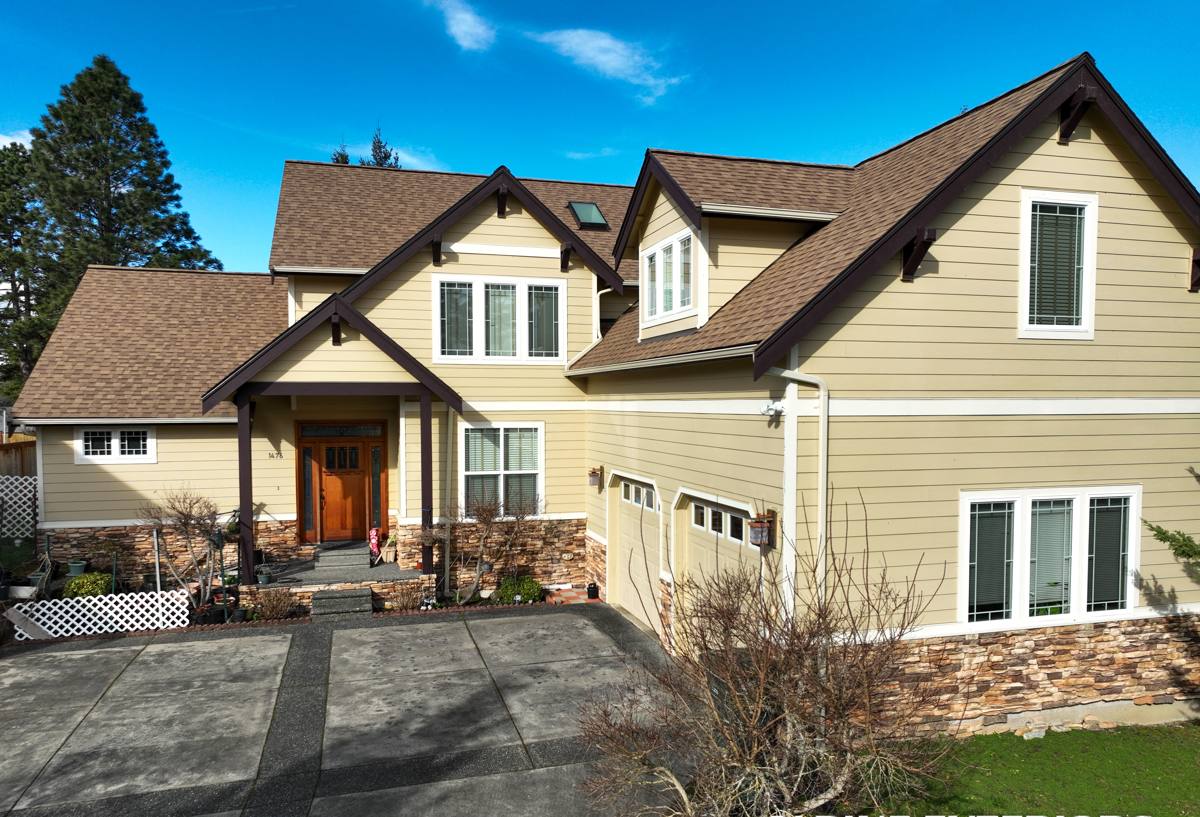
What Pinellas Park's Climate Actually Does to Siding
Pinellas Park sits inland enough to avoid direct beachfront exposure, but it's still part of a barrier-thin peninsula surrounded by Tampa Bay and the Gulf, and the same conditions that wear down siding in St. Petersburg and Clearwater reach Pinellas Park too. Four things do most of the damage:
- Hurricane-force wind: Even homes well inland see sustained tropical-storm and hurricane winds during named systems, and wind load on vertical board and batten is different from lap siding — the battens create edges that wind can catch if fastening and clearances aren't done to spec.
- Intense, year-round UV: Florida's sun angle and day length mean siding here takes far more UV exposure annually than siding in most of the country. Paint film breaks down faster, and any wood-based product starts to check and fade well ahead of its rated life.
- Wind-driven rain: Storms in this area rarely fall straight down. Wind pushes rain sideways and up under laps, seams, and battens, which is exactly where board and batten is most vulnerable if the water-resistive barrier and flashing details aren't right.
- Salt air: Pinellas County is bordered by saltwater on three sides. Salt-laden air travels well inland on Gulf breezes and accelerates corrosion on fasteners and metal trim, and it speeds up the breakdown of lower-grade coatings.
None of this means board and batten is a bad choice for Pinellas Park — it means the product and the install both have to be built for this climate, not just for looks.
Why We Only Install Board & Batten in James Hardie Fiber Cement
Board and batten can be built out of several materials, and each one behaves differently once it's living in Pinellas County weather. We stopped installing anything but James Hardie fiber cement for this style a while back, for reasons that show up over years, not on install day.
| Material | How it holds up in Pinellas Park |
|---|---|
| Primed spruce / cedar boards | Real wood grain, but it absorbs moisture at cut ends and fastener holes; humidity and wind-driven rain here accelerate swelling, splitting, and rot faster than in drier climates. |
| Vinyl board and batten panels | Low upfront cost, but it's a thin plastic product — it softens and can distort in sustained heat, becomes brittle with UV exposure over time, and isn't rated for the wind speeds this area sees at its higher gauges. |
| LP SmartSide (engineered wood) | Better moisture resistance than raw wood, but it's still a wood-strand product with a resin binder — edge sealing and caulking maintenance are non-negotiable in a wet, humid climate, and skipped maintenance shows up as swelling. |
| James Hardie fiber cement | Cement, sand, and cellulose fiber — non-combustible, doesn't absorb water like wood, holds paint and factory finish far longer under UV, and Hardie's HZ5 product line is engineered specifically for high-humidity, storm-prone climates like ours. |
We're not saying every other material fails on day one — vinyl and LP SmartSide are legitimate products used across the industry. Our position is that after installing siding across Pinellas County, fiber cement is the one material in this list that consistently shrugs off what our climate does over a 20-30 year timeframe with the least ongoing maintenance. That's why James Hardie is the only board and batten system we put on Pinellas Park homes.
What Hardie Board & Batten Actually Is
Hardie's board and batten look is built with vertical HardiePanel (or individual HardieTrim battens over engineered panel joints) rather than solid wood boards. It comes pre-primed or in Hardie's factory ColorPlus finish, which is baked on and warranted separately from the substrate — meaning the color coat is engineered for UV and salt-air exposure, not just brushed on after installation.
What a Correct Board & Batten Install Involves
Board and batten looks straightforward from the ground, but it has more failure points than lap siding if it's rushed. A correct install in this climate covers:
Behind the panel
A code-compliant water-resistive barrier, properly lapped and sealed at every seam, penetration, and window/door opening — this is the layer that actually keeps wind-driven rain out of the wall assembly if it gets past the battens.
Fastening and spacing
Hardie's published fastener schedule (type, spacing, and embedment) has to be followed exactly, especially in wind zones like ours — this is what keeps panels attached in sustained gusts, not just in a calm inspection. Battens need consistent reveal and are fastened independently, not just decoratively nailed over the panel seam.
Clearances
Bottom edge clearance from grade, roofing, decks, and patios; this keeps splash-back moisture and standing water away from the panel's bottom edge, which is the most common place fiber cement siding fails when it's installed wrong.
Cut-edge sealing
Every field cut exposes raw fiber cement. Those edges get factory-matched sealer before installation — skipping this step is one of the most common corner-cuts we see on other contractors' work, and it's where moisture problems start.
Fasteners and flashing metal
Corrosion-resistant fasteners and flashing, rated for coastal-influenced air — standard fasteners can start showing rust streaks within a few years in this environment.
Our Process on a Pinellas Park Job
- On-site assessment: We look at the specific wall or elevation, existing substrate condition, drainage, and how the area is exposed to prevailing wind and sun.
- Product and layout plan: We confirm panel width, batten spacing, and reveal to match the home's proportions, and select the Hardie ColorPlus finish or field-paint approach.
- Written estimate: Scope, materials, and timeline in writing before anything is scheduled.
- Tear-off and substrate check: Old siding comes off, sheathing is inspected for hidden rot or moisture damage before anything new goes up — this is often where problems from a prior installation surface.
- Weather barrier and flashing: Installed and inspected before a single panel goes up.
- Panel and batten installation: To Hardie's fastening spec, with clearances and cut-edge sealing handled as we go, not after the fact.
- Final walkthrough: We review the finished work with the homeowner before calling the job done.
Cost Factors for Board & Batten Siding in Pinellas Park
Every job is different, but the price of a board and batten project is driven by a consistent set of factors. We won't quote a number without seeing the site, but this is what actually moves the estimate:
| Factor | Why it matters |
|---|---|
| Coverage area | Full-elevation or whole-home board and batten costs more than an accent application like a gable or porch. |
| Substrate condition | Rot or moisture damage found during tear-off adds repair scope before new siding can go on. |
| Wall height and access | Two-story walls, steep rooflines, and tight side yards affect labor and equipment needs. |
| Trim and detail work | Corner boards, window/door casing, and batten spacing complexity add labor time. |
| Finish choice | Factory ColorPlus finish costs more upfront than primed board but eliminates a future field-paint job. |
| Permitting | Pinellas Park and Pinellas County permitting requirements can affect timeline and documentation needs. |
Signs Your Current Siding Is Ready to Be Replaced
- Visible warping, cupping, or separation at board seams
- Soft spots or give when you press on the siding near the bottom edge
- Paint that's chalking, peeling, or fading unevenly, especially on sun-facing walls
- Cracking at butt joints or around fasteners
- Rust streaking from fasteners or trim
- Visible gaps or damage after the last major storm season
- Rising energy bills that track with siding that no longer seals the wall properly
Why Hiring a Crew That Already Works Pinellas Park Matters
Board and batten installation isn't complicated in theory, but the details that make it last in this specific climate — fastener spacing for our wind exposure, clearance for our rain patterns, corrosion-resistant hardware for our salt air — are the kind of thing a crew learns by doing the work here repeatedly, not from a manufacturer's install guide alone. A contractor who's installed Hardie board and batten across Pinellas County has already seen what happens when a detail gets skipped, and builds around it before it becomes a callback. That local track record is worth asking about directly when you're vetting anyone for this kind of project.
If you're weighing board and batten for a Pinellas Park home — full exterior or an accent wall — we're happy to walk the site, talk through what James Hardie's board and batten system involves, and put together a straightforward, no-pressure estimate. There's a form below to get started.