 St. Petersburg Window
 Board & Batten Siding in Kenneth City: What the Climate Demands
Kenneth City sits in the middle of Pinellas County, tucked between St. Petersburg and Pinellas Park, which means every home here deals with the same weather punishment the rest of the barrier peninsula takes: long stretches of intense UV, sudden wind-driven downpours, hurricane-force gusts during storm season, and a steady dose of salt-laden air blowing in off Tampa Bay and the Gulf. Board and batten siding — with its vertical panels and raised battens covering the seams — has a distinctive look that a lot of Kenneth City homeowners want for a bungalow, cottage, or ranch-style house. But that same profile, if built from the wrong material or installed loosely, creates more seams and more edges for water and wind to work against than a flat lap siding job does.
That's the core issue we see on almost every board and batten re-side we're called out for in this neighborhood: the boards themselves are fine, but the battens were face-nailed without room to move, the housewrap behind them was never properly lapped, or the material swells and shrinks with humidity until the caulk lines crack open. In a climate that swings from soaking wet to bone-dry and back again multiple times a month, board and batten siding is a system that has to be engineered for movement and water management, not just nailed up to match a picture.
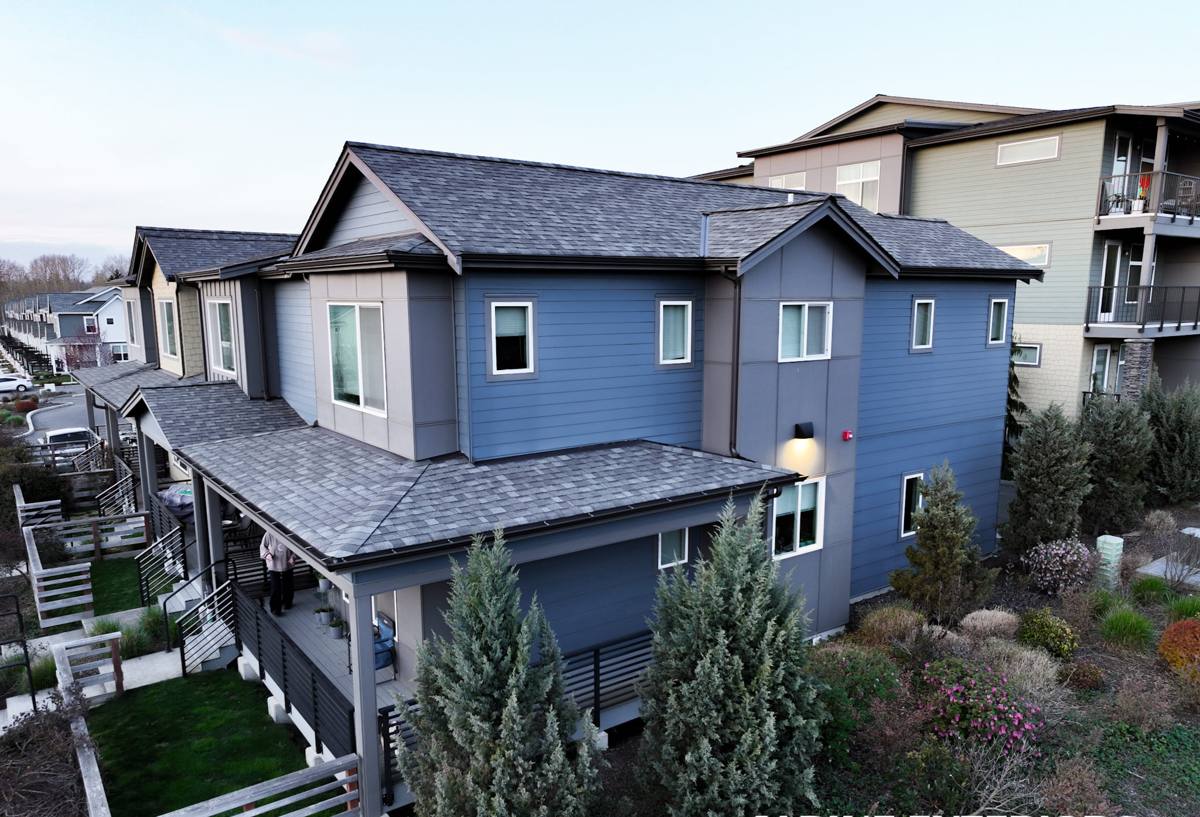
Why Board & Batten Is a Harder Job Than It Looks
Board and batten isn't a single product — it's an installation pattern. Wide vertical panels (or individual boards) go up first, then narrower battens cover each seam. Done right, this creates a clean shadow line and hides the seams from weather. Done wrong, it creates a second layer of joints that can trap moisture against the wall if there's no drainage plane behind it.
What Goes Wrong Most Often
- Battens fastened tight to the panel with no gap for expansion, so the material has nowhere to move and the finish cracks along the nail lines
- No proper weather-resistive barrier or the barrier installed with reverse laps that funnel water into the wall instead of down and out
- Fasteners driven through both the panel and batten into the sheathing without hitting framing, which loosens over time in high wind
- Butt joints and corners caulked instead of flashed, which fails within a few storm seasons in this climate
- Bottom edge set too close to grade or the roofline, drip cap or kickout flashing skipped entirely
None of these mistakes show up on day one. They show up two or three years later as a soft spot at the bottom of a wall, a stained soffit, or paint that's peeling in a straight line where a batten sits. That lag time is exactly why so many homeowners end up hiring the same crew twice — once for the install, once to fix it.
What a Correct Board & Batten Installation Involves
A board and batten job that's actually built for Pinellas County weather has the same bones as any well-built exterior wall assembly, with a few details specific to the vertical pattern:
- Continuous weather-resistive barrier installed shingle-style (upper courses over lower) so any water that gets past the siding runs down and out, not into the sheathing
- Furring or properly spaced fastening that lets the panel breathe and drain rather than sitting flat and trapped against the wall
- Batten fasteners spaced and set per the manufacturer's engineering, not just "wherever looks even," landing in framing every time
- Corner and window flashing integrated with the barrier before any siding goes on — not caulk applied after the fact
- Correct clearance from roof lines, decks, and grade so the bottom edge of the siding never sits in standing water or constant splash-back
- Factory-finished panels so the color and sealant are baked in rather than relying on a field-applied paint coat to hold up against UV and salt air
This is also where the choice of material matters as much as the workmanship. A batten system built from a material that swells, rots, or chalks under UV will fail even with perfect installation — it just fails a little slower.
Why We Install James Hardie and Nothing Else
We standardized on James Hardie fiber cement for every board and batten job we do, including in Kenneth City, for a simple reason: it's the only siding system we've found that holds its shape, color, and seal through Florida's UV load and humidity swings without the maintenance cycle that wood, vinyl, or other fiber cement alternatives require. Hardie panels are non-combustible, dimensionally stable once installed, and finished at the factory with ColorPlus technology, so the color coat isn't something we're hoping survives its first Gulf Coast summer — it's baked on and backed by a real finish warranty.
Hardie also builds specific product lines engineered for high-humidity, storm-exposed climates like ours (their HZ5 formulation is built for exactly this kind of weather), which matters more on a board and batten wall than almost any other siding style, because the vertical seams give humidity and wind-driven rain more places to find a weakness. We don't install primed wood board and batten, vinyl board and batten, or other fiber cement brands — not because those products can't be installed, but because we've made Hardie our standard and we only put our name on jobs built the way we know holds up here.
Board & Batten Material Comparison
| Material | UV & Fade Resistance | Moisture Behavior | Maintenance | Typical Lifespan |
|---|---|---|---|---|
| James Hardie fiber cement | Factory ColorPlus finish, strong fade resistance | Dimensionally stable, engineered drainage detailing | Occasional wash, no repainting cycle | 30+ years to spec |
| Primed wood/spruce | Fades and chalks, needs repainting | Absorbs moisture, prone to swelling and rot | Repaint every few years, caulk maintenance | 10-15 years in this climate |
| Vinyl board & batten | Fades and can warp under intense sun | Doesn't rot, but seams can flex and open | Low, but limited repair options if damaged | 15-25 years |
| Other fiber cement brands | Varies by product and finish | Similar base material, installation-sensitive | Depends on finish system used | Varies by brand and install |
How Our Process Works for a Kenneth City Home
Every board and batten quote starts with a walk of the actual walls, not a guess from a photo. We're looking at current siding condition, the state of the sheathing underneath if it's a re-side, roofline and grade clearances, and how much of the wall is exposed to prevailing wind and rain direction — that last point matters more in an area this close to open water than it does further inland.
- On-site assessment of existing siding, sheathing condition, and problem areas (rot, past water intrusion, failed caulk lines)
- Written estimate covering material, tear-off if needed, and any sheathing repair — no vague allowances
- Removal of old siding and inspection of the wall assembly before anything new goes up
- Weather-resistive barrier installed correctly, lapped and sealed, with flashing at every penetration
- Hardie panel and batten installation to manufacturer spec, fastened into framing
- Final walk-through so you can see the finished wall assembly before we call the job done
Permitting works the same way it does across Pinellas County — a siding replacement typically needs a permit and inspection, and we handle that submission as part of the job rather than leaving it for the homeowner to sort out.
Why a Crew That Already Works Kenneth City Matters
Kenneth City is a small footprint sandwiched between larger jurisdictions, and that has practical effects on a siding job: knowing which building department actually issues the permit for a given address, what inspectors here tend to flag on a re-side, and how tight the lot lines and setbacks typically run on the older homes in this area. A crew that's worked here before isn't guessing at any of that on your job.
There's also a wind-exposure reality specific to this part of Pinellas County — homes here aren't directly on the coast, but they're close enough that salt air and storm bands off the bay still reach every wall. A crew that treats every job like it's inland, with generic fastening schedules and no attention to drainage detailing, is building a wall that's going to underperform here even if it would have been fine forty miles north.
Questions Worth Asking Any Contractor Before You Sign
- Will the weather-resistive barrier be inspected before siding goes on, or just covered up?
- What's the fastening schedule for the battens, and will it hit framing every time?
- Who pulls the permit, and is that included in the quote?
- What happens if rot or damage is found on the sheathing once old siding comes off?
- What's actually covered under the material warranty versus the workmanship warranty?
Maintenance Once It's Installed
A correctly installed Hardie board and batten wall doesn't ask for much. An occasional rinse to clear off salt residue and pollen, a yearly look at caulk lines around windows and trim, and keeping an eye on anywhere sprinklers or landscaping throw water directly at the wall. That's a much shorter list than what wood board and batten demands, and it's the trade-off we point out honestly to every homeowner who's drawn to a painted-wood look: the appearance can be close, but the upkeep isn't, and in this climate the upkeep is where wood loses.
Cost Factors Worth Understanding Upfront
| Factor | Why It Moves the Price |
|---|---|
| Tear-off vs. new construction | Removing and disposing of old siding adds labor and often reveals sheathing repairs |
| Wall complexity | Dormers, gables, and multiple corners add cutting, flashing, and batten joints |
| Sheathing condition | Rot or water damage found underneath old siding has to be repaired before new siding goes on |
| Panel width and batten spacing | Narrower spacing means more material and more fastening labor per square foot |
| Trim and accessory work | Corner boards, window trim, and fascia detailing add scope beyond the flat wall area |
We give a written, itemized estimate before any work starts, so you know exactly what's driving the number rather than a single lump-sum figure.
If you're weighing board and batten siding for a home in Kenneth City, we're happy to walk the property, look at what's there now, and give you a straight, no-pressure estimate for doing it right the first time. There's a form below this page to get that started.