 St. Petersburg Window
 New-Construction Windows Built for Bartlett Park's Climate
Whether you're building new in Bartlett Park, adding an addition, or opening up a wall for a bigger window, the windows you put in matter as much as how they're put in. St. Petersburg sits in one of the more demanding climates in the country for exterior products: hurricane-force wind events, sun that beats down nearly every day of the year, wind-driven rain that finds any gap in flashing, and salt-laden air drifting in off Tampa Bay and the Gulf. New-construction windows give you the chance to get all of that right from the start, with a full frame and flashing system instead of working around what's already there.
Bartlett Park is an established, walkable neighborhood with a real mix of home ages and styles. That means new-construction window work here ranges from a full new build on an infill lot to a rear addition on an older bungalow-style home. The building science is the same either way, but the details — how the new opening ties into existing walls, roofline, and siding — change from house to house.
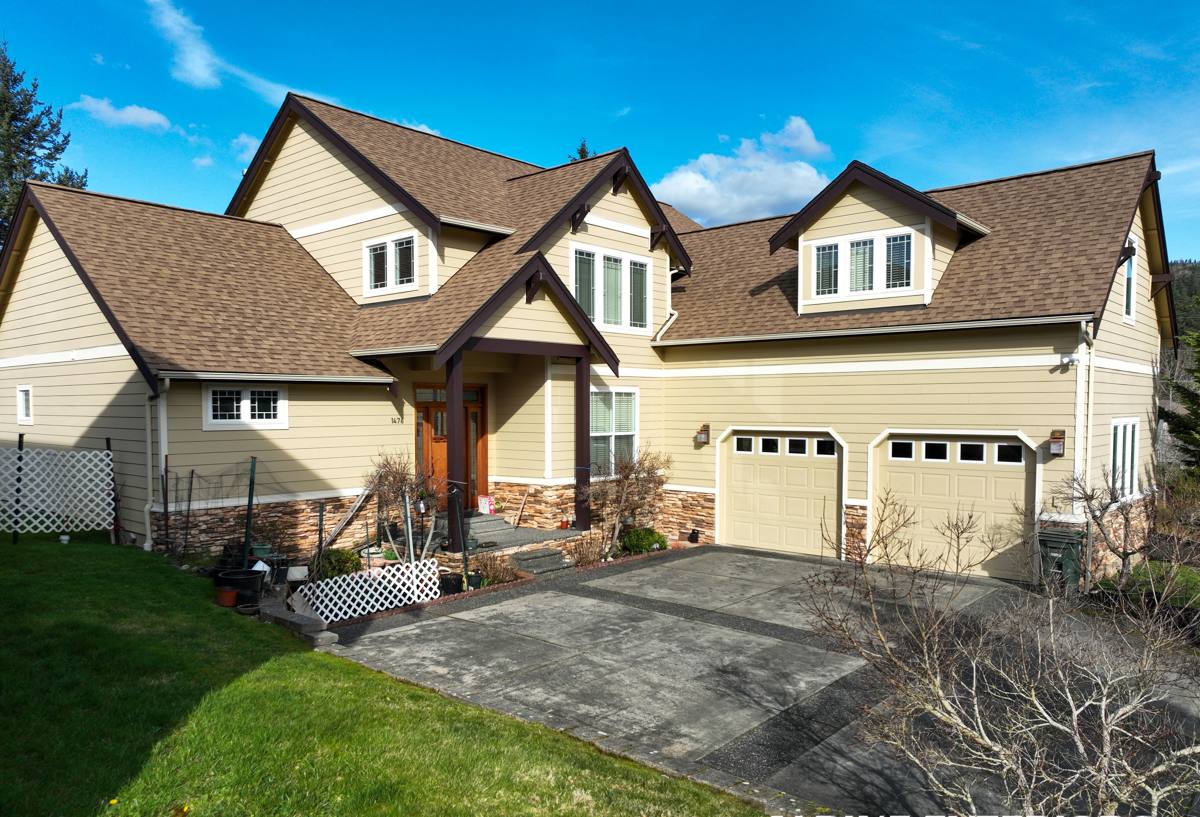
New Construction vs. Replacement: Why It's a Different Job
Nail-Fin Frames, Not Pocket Inserts
"New construction" windows have a nailing fin around the perimeter of the frame that gets fastened directly to the sheathing, then integrated into the wall's weather-resistive barrier and flashing before siding or stucco goes on. This is different from a "replacement" or "pocket" window, which slides into an existing frame and relies on that old frame staying sound. New-construction windows give a fresh, code-compliant water and air seal — but only if the flashing sequence is done correctly, because there's no old frame left to fall back on if it isn't.
When This Applies to Your Project
- Ground-up new home construction
- Additions, bump-outs, or converted porches/lanais with new framed openings
- Enlarging or relocating a window opening rather than reusing the existing one
- Full wall reconstruction after storm or water damage that exposes the framing
If your project is simply swapping windows in openings that already exist and aren't being altered, that's usually a replacement-window job, not new construction — worth mentioning to whoever quotes your project so you get the right scope and the right price.
What Bartlett Park Homes Need From These Windows
Wind Load and Impact Requirements
Pinellas County follows the Florida Building Code's high-velocity and wind-borne debris provisions, and product selection has to match the wind zone and exposure category for the specific lot. That means the glass, frame reinforcement, and anchoring spec aren't a matter of preference — they're calculated for the address. New construction is the easiest time to get this right, since the opening and structure are being built to receive the window, not adapted after the fact.
Year-Round UV Exposure
St. Petersburg gets strong, direct sun essentially every month of the year. Glass without a quality low-E coating lets in more heat and UV than most homeowners expect, which shows up as higher cooling bills and faded flooring, furniture, and trim over time. On a new build, this is a one-time decision worth making carefully, since re-glazing later is far more expensive than choosing the right coating up front.
Wind-Driven Rain and Flashing
Most window water intrusion isn't from the glass or the sash — it's from a flashing detail that let wind-driven rain behind the frame during a storm. New construction gives a clean shot at doing the flashing sequence correctly: weather-resistive barrier lapped correctly, sill pan flashing under the frame, and side/head flashing integrated in the right order before siding or stucco closes it up.
Salt Air and Corrosion
Even a few miles from the water, salt air accelerates corrosion on hardware, fasteners, and lower-grade metal components. It's a slower problem than a storm, but it's a constant one in this part of Florida, and it's a real factor in which frame material and hardware finish make sense for a given home.
Frame Material Comparison
| Material | Wind/Impact Suitability | Salt Air / Corrosion | Maintenance | Typical Cost Position |
|---|---|---|---|---|
| Vinyl (impact-rated) | Good, when reinforced and properly sized to opening | Won't corrode; UV-stable formulations hold up well | Low | Lower to mid |
| Aluminum | Strong for larger openings; common in impact-rated systems | Needs a quality finish; bare or low-grade coatings pit near the coast | Low to moderate | Mid |
| Fiberglass | Very good strength-to-weight; stable in heat | Excellent; doesn't corrode or rot | Low | Higher |
| Wood / wood-clad | Depends on cladding and reinforcement | Vulnerable without diligent upkeep in humid, salty air | High | Higher |
We don't push wood or unclad products in this climate as a default — not because the material is bad, but because it demands upkeep that a lot of homeowners don't want to sign up for a few blocks from the bay. We'll always tell you the honest trade-off for your project rather than steer you toward whatever's easiest to install.
Doing the Job Right: Our Installation Process
- Rough opening check. We confirm the framed opening is square, plumb, and sized correctly for the specified window before it ever goes in.
- Weather barrier and flashing prep. Sill pan flashing goes in first, followed by the correct lapping order for side and head flashing tied into the house wrap or barrier.
- Setting the window. The unit is set, shimmed level and plumb, and checked for square before a single fastener goes through the nail fin.
- Fastening to spec. Fasteners are placed per the manufacturer's and code's spacing and type requirements — this is what the wind and impact rating actually depends on.
- Sealant and integration. Sealant goes at the right points in the flashing sequence, not just around the outside trim as an afterthought.
- Interior and exterior finish. Trim, sill, and any stucco or siding tie-in are completed once the water-management layer is confirmed sound.
Permits and Inspections
New-construction window openings in St. Petersburg and unincorporated Pinellas County typically fall under building permit review, since they involve structural framing and code-required wind performance. On a new build or addition this is usually already part of your project's permitting; on a standalone opening change, it needs its own permit and inspection. We handle the permitting and inspection coordination that applies to the window scope of your project so it isn't left as a loose end.
What Drives the Cost
- Opening size and quantity — larger openings and more units mean more material and labor.
- Wind/impact rating required for the site — higher-rated glass and reinforced framing cost more than standard product.
- Frame material — vinyl, aluminum, and fiberglass sit at different price points, as shown above.
- Glass package — low-E coatings and impact laminated glass add cost but reduce heat gain and storm risk.
- Complexity of the opening — a straightforward rectangular opening in new framing costs less than a custom shape or an opening tied into existing masonry or stucco.
- Access and site conditions — infill lots and additions with tighter access can affect labor time.
We won't quote a number without seeing the openings and knowing the required wind zone spec for the address — anyone who gives a firm price sight unseen is guessing.
Why a Crew That Already Works Bartlett Park Matters
A contractor who regularly works this part of St. Petersburg already knows the general permitting expectations for the city and Pinellas County, has a working sense of typical wind exposure conditions for the area, and has seen how older housing stock in established neighborhoods like this one tends to be framed and finished. That familiarity shortens the guesswork on your project — fewer surprises at rough-in, fewer change orders mid-job, and a flashing and fastening approach that's already been proven on homes like yours nearby.
Homeowner Checklist Before You Start
- Confirm whether your scope is new construction (new framed opening) or replacement (existing opening reused)
- Ask what wind/impact rating applies to your specific lot and elevation
- Get the flashing and fastening method explained in plain terms, not just the brand of window
- Confirm who is pulling the permit and scheduling inspections
- Compare frame material trade-offs against your maintenance tolerance and budget, not just sticker price
- Get the glass package (low-E, impact laminate) spelled out in writing
If you're planning new-construction windows for a build, addition, or opening change in Bartlett Park, we're glad to walk the site, explain what your project actually needs given the wind zone and exposure, and put together a straightforward, no-pressure estimate using the form below.