 St. Petersburg Window
 Metal Roofing for Childs Park Homes
Childs Park is one of St. Petersburg's older established neighborhoods, with a housing stock that spans mid-century bungalows, ranch homes, and a growing number of renovated and infill properties. Many of these roofs are on their second or third asphalt shingle system, and homeowners in the area are increasingly asking about metal as a longer-term alternative. It's a reasonable question to ask — a roof in Pinellas County works harder than a roof almost anywhere else in the country, and the trade-offs between materials matter more here than they would inland.
This page covers what metal roofing actually involves for a home in Childs Park specifically: the climate demands, the products that make sense, what correct installation looks like, and what our process is when we take on a project in this neighborhood.
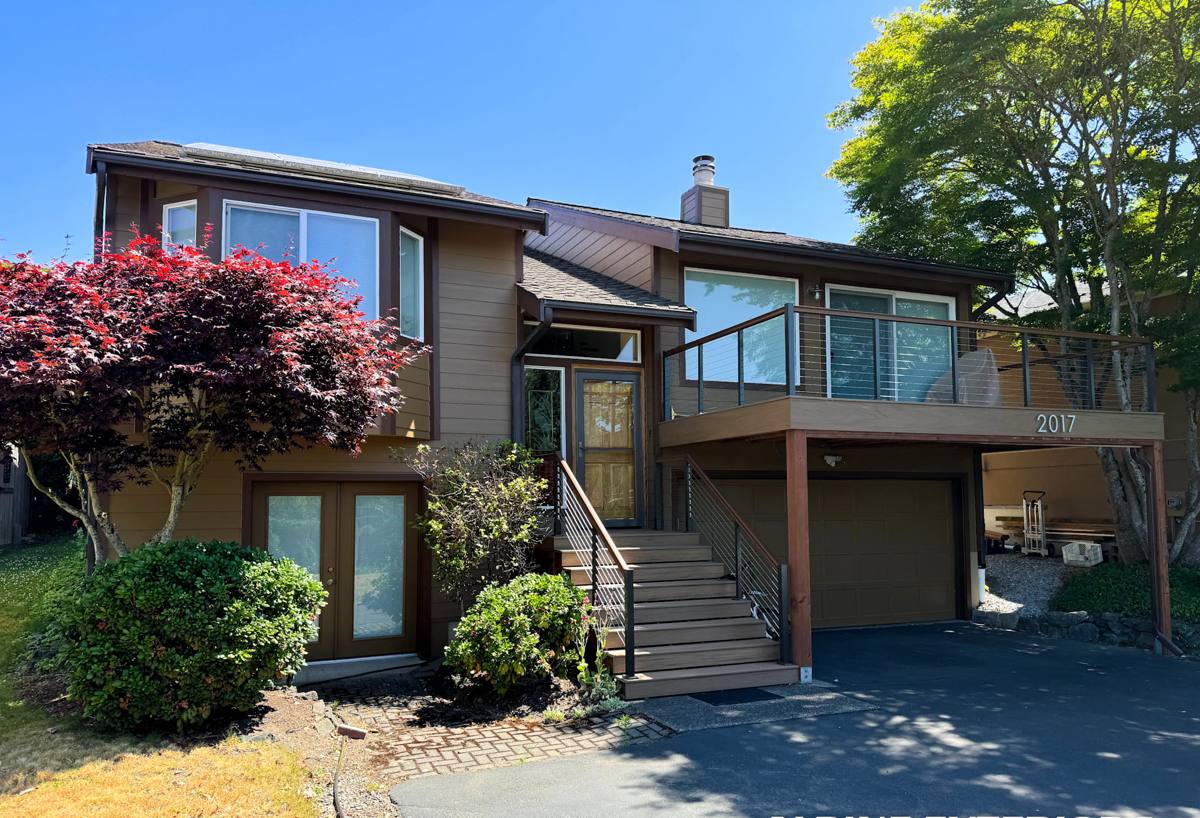
Why the Local Climate Changes the Calculation
St. Petersburg sits on a peninsula, which means every roof in Childs Park deals with a combination of stresses that few other markets see all at once.
- Hurricane-force wind: Roofs here need to survive uplift and wind-driven debris, not just steady wind loads. Fastening patterns and panel engineering matter as much as the material itself.
- Intense, year-round UV: Florida's sun degrades organic roofing materials faster than in most states. Coatings and finishes need to be rated for sustained UV exposure, not just occasional summer heat.
- Wind-driven rain: Afternoon storms don't just fall straight down here — wind pushes rain sideways and up under laps, ridges, and penetrations. Underlayment and flashing details carry more of the waterproofing burden than in drier climates.
- Salt air: Even away from the immediate waterfront, Pinellas County's proximity to Tampa Bay and the Gulf means airborne salt reaches inland neighborhoods like Childs Park. Salt accelerates corrosion on metal fasteners, flashing, and unprotected panel edges.
None of these factors are unique to Childs Park, but taken together they're why a roof spec that works fine in Atlanta or Charlotte can underperform here within a decade.
What This Means in Practice
For a metal roof to actually deliver on its "50-year" reputation in this climate, three things have to be right: the metal alloy and coating have to resist salt-air corrosion, the fastening and panel system have to be engineered for local wind uplift requirements, and the underlayment and flashing have to be detailed for wind-driven rain — not just gravity-fed water.
Metal Roofing Options That Make Sense Here
Not every metal roofing product performs the same way under Gulf Coast conditions. We steer Childs Park homeowners toward systems that have a track record in coastal Florida rather than products designed primarily for drier, colder climates.
| Panel Type | Typical Use | Coastal Considerations |
|---|---|---|
| Standing seam (steel or aluminum) | Whole-roof replacement, higher-end renovations | Concealed fasteners reduce leak points and corrosion entry; strong wind uplift performance when installed to spec |
| Aluminum | Homes closer to the water or with salt-heavy exposure | Naturally corrosion-resistant, doesn't rust; better long-term choice near brackish air |
| Galvalume/coated steel | Cost-conscious full replacements | Good performance if the coating is intact and cut edges are properly sealed; more sensitive to coastal corrosion than aluminum |
| Exposed-fastener metal panels | Budget projects, outbuildings, some porch/carport roofs | Lower upfront cost, but fasteners are the weak point over time in a high-UV, high-salt environment and need more maintenance |
For most primary residences in Childs Park, we recommend standing seam systems in steel or aluminum. The concealed-fastener design keeps water and salt air away from the screws that hold the panels down, which is exactly the failure point that shows up first in coastal Florida installs.
What a Correct Metal Roof Installation Involves
Metal roofing is unforgiving of shortcuts in a way asphalt shingles aren't. A shingle roof with a mediocre install might leak in a few spots. A metal roof with a mediocre install can fail wholesale in a hurricane, because the panels themselves become the wind-load problem if they're not fastened and seamed correctly.
Deck Inspection and Prep
We check the roof deck for soft spots, delamination, and prior water damage before anything goes down. Metal panels telegraph an uneven deck, and a compromised deck won't hold fasteners properly under wind load.
Underlayment
A high-temperature-rated synthetic or self-adhered underlayment goes down as the real waterproofing layer beneath the metal. In this climate, we treat the underlayment as a full backup roofing system, not a formality — wind-driven rain will find any gap in the panel seams over the life of the roof, and the underlayment is what keeps that from becoming an interior leak.
Fastening and Panel Layout
Fastener spacing and clip systems are set to meet Florida Building Code wind uplift requirements for our wind zone, not a generic manufacturer minimum. This is one of the most commonly skipped details on lower-bid metal roofing jobs, and it's the one that matters most when a storm actually hits.
Flashing and Penetrations
Valleys, wall transitions, chimneys, and roof penetrations get custom-formed flashing rather than generic trim pieces stretched to fit. Improperly flashed penetrations are the single most common source of leaks on metal roofs we're called to repair.
Edge and Termination Detailing
Drip edges, rake edges, and ridge caps are finished to shed wind-driven rain rather than just gravity-fed runoff, and cut panel edges are sealed to prevent the coating breach that starts corrosion.
Our Process for a Childs Park Metal Roofing Project
- On-site assessment: We inspect the existing roof, deck condition, and any specific wind or drainage issues tied to the home's layout.
- Product recommendation: Based on the home's exposure and your budget, we recommend a panel type and finish — explaining the real trade-offs rather than upselling the most expensive option.
- Written estimate: A clear scope of work and price, with wind-rating and underlayment specs spelled out, not buried in fine print.
- Permitting: Metal roof replacements in St. Petersburg require permitting and inspection. We handle that process as part of the job.
- Installation: Deck prep, underlayment, panel installation, and flashing detailing carried out to code and to manufacturer specs for our wind zone.
- Final walkthrough: We review the completed roof with you before considering the job done.
Why Local Experience Matters for This Job
A metal roof installed by a crew that mostly works inland climates can look identical to one installed by a crew that works Pinellas County day in and day out — until the first real storm or the first few years of salt exposure. The differences that matter are invisible once the panels are up: fastener spacing calculated for our actual wind zone, flashing details built for wind-driven rain rather than straight-down rain, and material choices that account for salt air reaching this far from the water. A crew that regularly works in and around Childs Park and greater St. Petersburg has already seen which details fail here and which hold up, and builds accordingly.
Maintenance and What to Expect Over Time
Metal roofing is lower-maintenance than asphalt shingles, but "low-maintenance" doesn't mean "no maintenance" in a coastal climate. A few habits protect the investment:
- Rinse accumulated salt residue and debris off the roof periodically, especially after long dry stretches followed by storms.
- Have flashing and sealant at penetrations checked every couple of years — these are the components most likely to need attention before the panels themselves do.
- Keep gutters and downspouts clear so water isn't sitting against panel edges or fascia longer than it needs to.
- After any major wind event, a quick visual check (or a call to us) for lifted panels or damaged flashing is worth the peace of mind.
Cost Factors Specific to This Project
Metal roofing costs more upfront than asphalt shingles, and the final number depends on more than just square footage. The factors that move the price most for a Childs Park home are:
| Factor | Why It Matters |
|---|---|
| Panel material (steel vs. aluminum) | Aluminum costs more but resists salt-air corrosion better long-term |
| Roof complexity | Valleys, dormers, and multiple roof planes increase flashing and labor time |
| Deck condition | Deteriorated decking found during tear-off adds repair cost before panels go on |
| Existing roof removal | Tear-off of old shingles or a prior metal roof adds disposal and labor cost |
| Underlayment upgrade | Self-adhered, high-temp underlayment costs more than basic synthetic but performs better under our sun and storms |
We walk through these factors during the estimate so there aren't surprises once the project starts.
If you're weighing a metal roof for your Childs Park home, we're happy to take a look and give you a straightforward, no-pressure estimate — just fill out the form below and we'll set up a time to come by.