 St. Petersburg Window
 Roof Repair Built for Coquina Key's Waterfront Conditions
Coquina Key sits on a peninsula surrounded by water on three sides, which means homes here take a different kind of beating than roofs a few miles inland. The combination of near-constant water exposure, direct sun with little tree cover in many sections, and the open wind corridors along the shoreline streets adds up to roofs that age faster and show damage sooner than the manufacturer's rated lifespan would suggest. A roof repair here isn't just patching a leak — it's addressing why that leak started in the first place, which in this neighborhood is almost always some combination of salt air, UV breakdown, and wind-driven rain finding a weak point.
We work on roofs throughout St. Petersburg and Pinellas County, and Coquina Key is one of the areas where we see damage patterns that differ noticeably from what you'd find in a more inland part of the city. That local pattern recognition matters when you're trying to figure out whether a repair will actually hold or whether you're just buying a few more months before the same spot fails again.
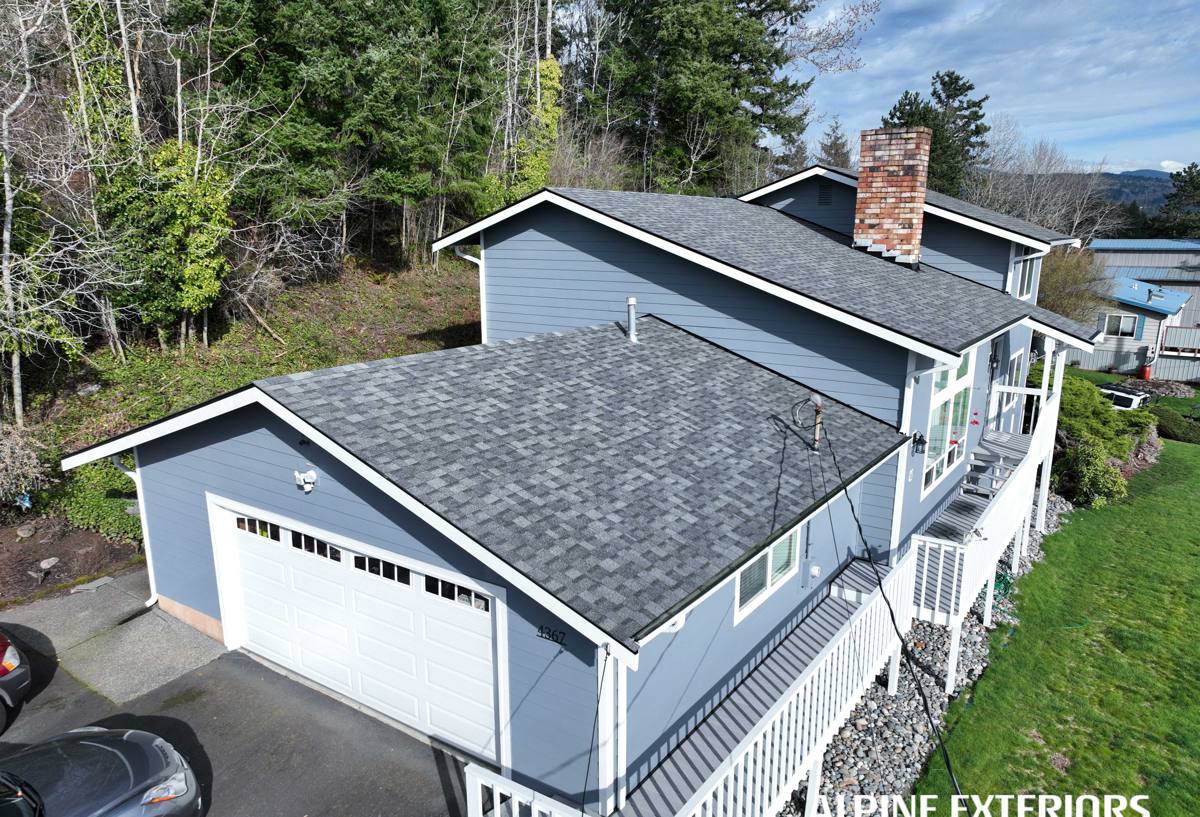
Why Coquina Key Roofs Fail Faster
Salt Air and Metal Fatigue
Salt-laden air corrodes exposed metal components — flashing, nail heads, vent boots, gutter fasteners — well before the shingles or tiles themselves give out. Once flashing starts to rust and pit, it stops sealing properly, and water finds its way underneath even on a roof that still looks fine from the ground. This is one of the most common root causes we find when we're called out for a "mystery leak" in this part of the city.
UV Exposure and Material Breakdown
Florida sun is intense year-round, and roofs with limited shade take the full brunt of it. Asphalt shingles lose their granule coating and become brittle over time; the oils that keep them flexible bake out faster under sustained heat. Brittle shingles crack under foot traffic or wind flex, and cracked shingles are an open invitation for water.
Wind-Driven Rain
Coquina Key's exposure means storms don't just drop rain straight down — wind pushes it sideways, up under shingle tabs, and into any gap in flashing or underlayment that wouldn't be a problem in a calmer setting. A roof that would hold up fine in a sheltered inland neighborhood can leak here simply because the water is arriving at an angle the roof system wasn't sealed against.
Storm Cycles
Even when a storm doesn't cause obvious damage, repeated wind loading loosens fasteners and stresses seams over multiple seasons. Small movement adds up — a shingle that lifts slightly in one storm and reseats crooked is more vulnerable in the next one.
What a Correct Roof Repair Actually Involves
A roof repair done right isn't just sealing the spot where water is showing up inside the house. Interior stains and roof leaks are rarely in the same location — water travels along decking and rafters before it drips somewhere visible. A proper repair traces the water back to its actual entry point, which usually means:
- A full inspection of the surrounding roof field, not just the reported leak area
- Checking flashing at every penetration — chimneys, vent stacks, skylights, wall transitions
- Examining valleys, where water volume concentrates and wear happens fastest
- Assessing underlayment condition where shingles or tiles have been lifted or removed
- Confirming that repaired sections tie in properly with surrounding materials so you don't create a new weak seam
Skipping any of these steps is how a homeowner ends up paying for the same repair twice. A patch that only addresses the visible symptom, without checking flashing and underlayment nearby, often fails again within a year — sometimes in a slightly different spot that gets misdiagnosed as a "new" leak.
Common Repair Scenarios We See in This Area
Flashing Failure
Corroded or improperly sealed flashing around chimneys, vents, and wall intersections is one of the most frequent repair calls in waterfront neighborhoods. The fix involves removing the compromised flashing, checking the decking underneath for moisture damage, and installing new flashing with proper sealant and step-flashing technique — not just caulking over the old piece.
Wind-Lifted or Missing Shingles
After a windy stretch, it's common to find shingles that have lifted, cracked, or blown off entirely. Repair means replacing the damaged shingles, checking the nailing pattern on surrounding shingles (improper nailing is often why they lifted in the first place), and confirming the underlayment beneath the gap wasn't compromised.
Valley Leaks
Valleys carry more water than any other part of the roof, so wear here shows up faster. Repairs typically involve replacing valley material and the shingles or tiles that tie into it, making sure the water channel is clean and unobstructed.
Soft Spots and Deck Damage
If a leak has been present for a while before it's caught, the plywood decking underneath can soften or rot. This isn't a surface repair — the affected decking has to be cut out and replaced before any new roofing material goes back down, or the repair will fail regardless of how well the top layer is installed.
Repair vs. Replacement: How We Help You Decide
| Factor | Repair Usually Makes Sense | Replacement Should Be Considered |
|---|---|---|
| Roof age | Under 15 years, general condition solid | Approaching or past expected lifespan for the material |
| Damage scope | Isolated to one or two areas | Multiple unrelated leak points or widespread granule loss |
| Decking condition | Solid, no rot found during inspection | Soft spots or rot found in more than a small area |
| Repair history | First repair, or infrequent | Same areas patched repeatedly with recurring leaks |
| Storm damage | Localized wind or debris damage | Widespread uplift, exposed underlayment, or structural concern |
We'll tell you honestly which category your roof falls into. A roof that only needs a repair doesn't need a sales pitch for full replacement, and we're not going to manufacture urgency that isn't there. At the same time, if a roof is genuinely past the point where another patch makes financial sense, we'll explain why in plain terms — the cost of repeated repairs versus one properly done replacement, and what continuing to patch an aging roof risks in terms of interior damage.
Our Process for Coquina Key Repair Calls
- Inspection first. We look at the whole roof, not just the spot you reported, since related wear is common on roofs that have been through the same weather exposure over time.
- Clear explanation. Before any work starts, we walk you through what we found, what caused it, and what the repair will involve — in terms that make sense without a construction background.
- Straightforward pricing. You know the scope and cost before we start, not after.
- Correct materials and technique. We match repair materials to your existing roof system so the repaired section performs the way the rest of the roof does, not as a mismatched patch.
- Cleanup and final check. We confirm the repair is sealed properly and leave the work area clean.
Maintenance Steps Coquina Key Homeowners Can Take Between Inspections
- Have your roof inspected after any significant storm, even if you don't see obvious damage from the ground
- Keep gutters clear so water isn't backing up under the roof edge during heavy rain
- Watch for granules collecting in gutters or downspouts — a sign of accelerated shingle wear
- Note any ceiling stains right away and have them checked before the source spreads to decking
- Trim back overhanging vegetation that holds moisture against roof surfaces
- Schedule a professional inspection roughly once a year, even with no known issues
Why Local Experience in This Neighborhood Matters
Roof repair isn't one-size-fits-all across St. Petersburg. A crew that mostly works inland neighborhoods may not be tuned in to how much faster salt air corrodes flashing near the water, or how wind exposure on a peninsula like Coquina Key changes where leaks actually originate. Knowing the typical failure points for this specific area means less time spent chasing the wrong cause and a repair that's built to hold up against the conditions your roof actually faces — not generic conditions from somewhere else in the county.
We've worked on homes throughout St. Petersburg and greater Pinellas County long enough to recognize these patterns quickly, which keeps the diagnostic part of the job efficient and the repair itself focused on the real problem.
Get a Free, No-Pressure Estimate
If you've got a leak, storm damage, or a roof that's just showing its age, we're happy to take a look and give you a straight answer about what it needs. Use the form below to request a free estimate — no pressure, no upsell, just an honest assessment of your roof's condition and what it would take to fix it right.