 St. Petersburg Window
 Roof Replacement in Childs Park: What Local Homes Actually Need
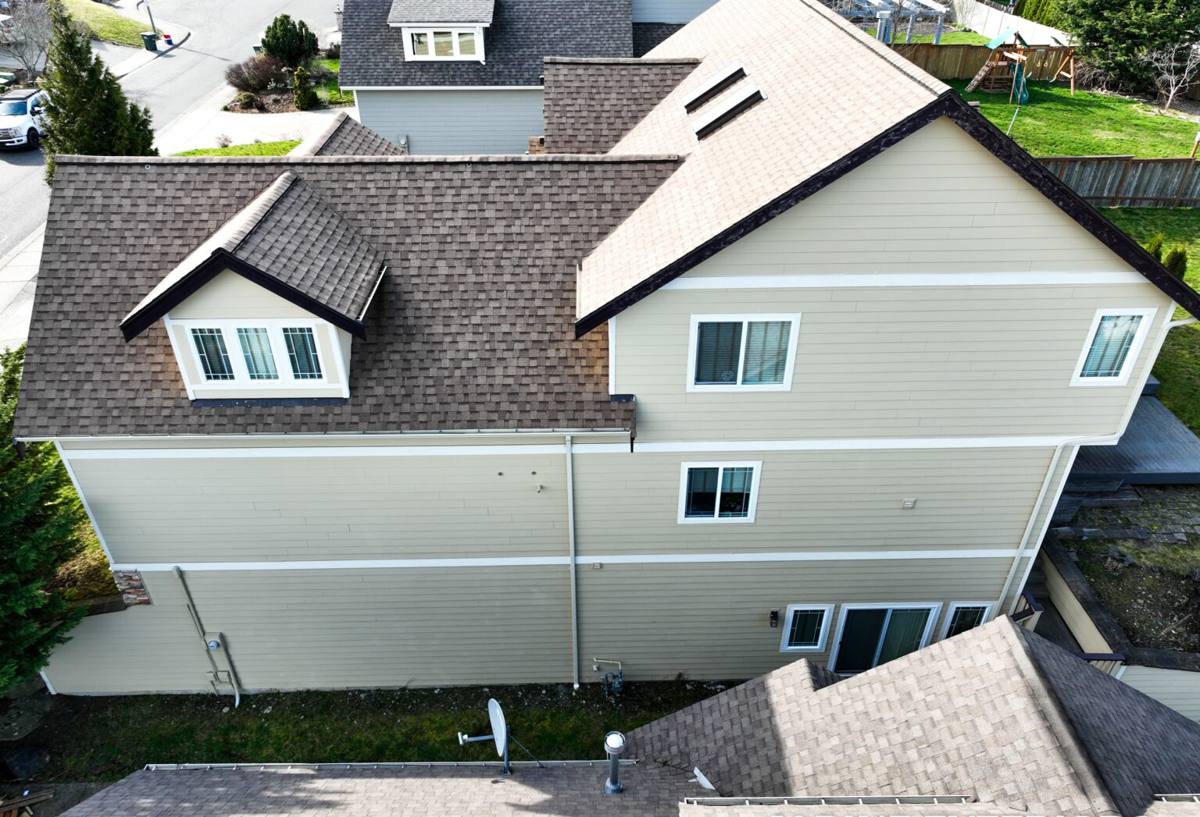
Childs Park is one of St. Petersburg's older established neighborhoods, and that shows up on the roof line. A lot of the housing stock here was built decades ago, which means a lot of roofs are on their second or third layer of shingles, or are original to a home that's been re-roofed once already. When we get a call from a Childs Park homeowner, the roof we find on the ladder is almost never a surprise: sun-baked shingles, soft spots near old vent boots, and granule loss that's been quietly speeding up for years. Pinellas County's climate doesn't give a roof any rest, and a neighborhood with a mix of mid-century and older homes tends to show the wear earlier than newer construction elsewhere in the county.
A roof replacement here isn't just swapping old shingles for new ones. It's an opportunity to correct whatever the original roof got wrong — thin underlayment, undersized ventilation, flashing that was never properly step-flashed — and to build back a roof system that's actually matched to what St. Petersburg weather does to a house year after year.
Why Roofs Wear Out Faster in This Climate
Florida roofs work harder than roofs almost anywhere else in the country, and Childs Park's roofs are no exception. A few things stack up against them specifically:
UV Load
St. Petersburg gets strong, direct sun nearly every day of the year. UV breaks down the asphalt oils in shingles and dries out the mat underneath, which is why granule loss and brittleness show up well before a shingle's rated lifespan is over. A south- or west-facing slope on a Childs Park home will almost always look older than a north-facing slope of the exact same age.
Wind-Driven Rain
Rain that comes in sideways during a storm doesn't behave like rain falling straight down. It gets pushed up under shingle tabs, into exposed nail heads, and through any flashing that isn't sealed and lapped correctly. Over time, this is what causes the slow, hidden leaks that show up as a stain on a ceiling long after the storm has passed.
Hurricane-Force Wind Events
Pinellas County sits in a hurricane-exposed part of the state, and even a roof that's never taken a direct hit accumulates stress from repeated tropical storms and near-misses. Wind uplift at the edges and corners of a roof is where failures start, which is exactly why proper edge metal and correct nailing patterns matter more here than in calmer climates.
Salt Air
St. Petersburg's proximity to the Gulf and Tampa Bay means airborne salt travels further inland than people expect. Salt accelerates corrosion on any exposed metal — flashing, nail heads, vent stacks, gutter hardware — which is a factor we account for in material selection, not just on waterfront homes but across the wider St. Petersburg area including Childs Park.
Signs a Childs Park Roof Needs Replacing, Not Just Patching
- Shingles that are cracked, curling at the edges, or missing granules in visible patches
- Soft or spongy decking felt underfoot when walked on (a sign of moisture already in the plywood)
- Daylight or staining visible in the attic around vent penetrations, chimneys, or valleys
- Multiple past repairs in different spots, suggesting the roof is failing broadly, not in one isolated area
- Shingles nearing or past 15-20 years old, especially on sun-exposed slopes
- Visible sagging along the ridge or roof plane, which points to structural or decking issues underneath
- Rusting or lifting flashing around chimneys, skylights, or wall-to-roof transitions
One or two of these on their own might mean a targeted repair is enough. Several together, especially on an older Childs Park roof, is usually the point where patching becomes more expensive over time than a full replacement.
What a Correct Roof Replacement Involves
A roof replacement done right is really several distinct jobs stacked on top of each other. Skipping or rushing any one of them is where most roof failures years later actually trace back to.
1. Tear-Off and Deck Inspection
Every layer of old roofing comes off down to the deck. This is the only point in the whole job where we can actually see the plywood or OSB underneath — soft, delaminated, or water-stained decking gets identified and replaced here, not covered over. Skipping tear-off (a "roof-over") hides problems and shortens the life of the new roof.
2. Underlayment
Given how much wind-driven rain this area sees, underlayment is not a place to cut corners. A properly lapped synthetic underlayment, with self-adhering membrane at valleys, eaves, and other vulnerable spots, is what actually keeps water out if a shingle ever gets lifted or damaged in a storm.
3. Flashing
Flashing around chimneys, walls, skylights, and valleys has to be formed and sealed correctly, not just caulked over old metal. Given the salt air in the St. Petersburg area, we pay attention to flashing material and fastener choice so corrosion doesn't undo the work in a few years.
4. Ventilation
Attic heat in a Florida summer is intense, and a roof deck that can't breathe cooks from underneath as much as it bakes from above. Correct intake and exhaust ventilation reduces that heat load and helps the new shingles hit their expected lifespan instead of failing early.
5. Wind-Rated Installation
Nailing patterns, starter strip placement, and edge treatment all affect how well a roof holds up in high wind. This is where a lot of shortcuts happen on rushed jobs, and it's exactly the part that matters most in a hurricane-exposed county like Pinellas.
6. Final Inspection
A finished roof gets walked and checked — flashing lines, ridge caps, penetrations, gutter tie-ins — before we call the job done.
Roofing Material Options for Childs Park Homes
| Material | Typical Lifespan (FL climate) | Best Fit | Trade-Offs |
|---|---|---|---|
| Architectural asphalt shingle | 18-25 years | Most Childs Park homes; good value and wide style range | Shorter life in direct sun exposure than premium options; needs correct ventilation to hit full lifespan |
| 3-tab asphalt shingle | 12-18 years | Budget-driven replacements | Lower wind rating and shorter UV life than architectural shingles; less common in new installs today |
| Standing seam metal | 40-50+ years | Homeowners planning to stay long-term or wanting max wind/storm resistance | Higher upfront cost; requires an installer experienced with metal detailing |
| Tile (concrete or clay) | 40-50+ years | Homes built for tile load, or matching an existing tile aesthetic | Heavy — requires structural verification; underlayment failure under intact tile can go unnoticed for years |
For most Childs Park homeowners, a quality architectural shingle with correct underlayment and ventilation is the practical middle ground: strong wind rating for the cost, a good look, and a lifespan that holds up reasonably well against St. Petersburg sun and storms. Metal and tile are worth discussing if you're planning to stay in the home long-term or want the higher end of storm resistance.
Cost Factors Specific to This Job
We don't quote prices without seeing the actual roof, but the honest range for a full replacement on a typical Childs Park home generally depends on a handful of things:
- Roof size and the number of planes, valleys, and penetrations (more cuts and details mean more labor)
- Roof pitch — steeper roofs take longer and require more safety measures
- Condition of the decking once tear-off exposes it (rotted plywood adds material and labor)
- Material choice, from standard architectural shingle up through metal or tile
- Number of existing layers to remove
- Any code-required upgrades triggered by the permit (this varies by scope and jurisdiction)
The only way to get an honest number is a physical inspection — quotes based on square footage alone, without someone actually walking the roof, tend to change once the tear-off starts.
Our Process for a Childs Park Roof Replacement
- Inspection and estimate — we walk the roof, check the attic if accessible, and give you a written scope and price before any work starts.
- Material selection — we go over shingle or metal options suited to your budget and how long you plan to stay in the home.
- Permitting — roof replacements in St. Petersburg require a permit; we handle that paperwork so you don't have to.
- Tear-off and deck repair — old roofing comes off, decking is inspected, and any damaged sections are replaced before anything new goes down.
- Underlayment, flashing, and shingle installation — installed to current wind-rating standards, not the minimum.
- Cleanup and final walk-through — job site is cleared of debris and nails, and we walk the finished roof with you.
- Inspection sign-off — the permit is closed out once the work passes municipal inspection.
Why It Matters That We Already Work in Childs Park
A roofing crew that already works this part of St. Petersburg has a real advantage over an out-of-town or unfamiliar contractor: we know what the older housing stock in this neighborhood tends to have underneath the shingles, we're used to Pinellas County's permitting process, and we're not guessing at how to detail a roof for wind-driven rain and salt air because we deal with it on every job in the area. That familiarity shows up in fewer surprises during tear-off and a roof that's actually built for what this specific climate throws at it, not a generic install.
It also matters for accountability. A local crew is still around next year and the year after if a warranty question comes up — not just a name on an invoice from a company that worked the area for one storm season and moved on.
Questions Worth Asking Any Roofing Contractor
- Are you licensed and insured to work in Pinellas County, and can you provide proof?
- Will you pull the permit yourselves, and is that included in the quote?
- What underlayment and flashing details do you use, specifically, not just "we use quality materials"?
- What happens if you find rotted decking once tear-off starts — how is that priced?
- What's the manufacturer's wind rating on the shingle system you're proposing, and does your installation meet it?
- What's covered under workmanship warranty versus manufacturer warranty, and for how long?
A contractor who answers these clearly and specifically, without dodging into vague reassurances, is usually one worth trusting with the job.
If your Childs Park roof is showing its age or you just want an honest second opinion, we're glad to come take a look. The estimate is free, there's no pressure to move forward, and you'll get a straight answer about what your roof actually needs.