 St. Petersburg Window
 Asphalt Shingle Roofing Built for Coquina Key's Waterfront Climate
Coquina Key sits close to the water, and that proximity shapes everything about how a roof ages here. Homes on this peninsula deal with a steady mix of salt-laden air, direct sun for most of the year, and the kind of wind-driven rain that comes with living near open water in Pinellas County. An asphalt shingle roof that's installed correctly can handle all of that for decades. One that's installed with shortcuts starts showing problems in years, not decades — granule loss, curling edges, and leaks that show up long before the shingles are actually "worn out."
We work on roofs throughout St. Petersburg, and Coquina Key comes with its own set of considerations: proximity to the water, older housing stock in parts of the neighborhood, and the general exposure that comes with a low-lying, near-coastal location. This page covers what that means for your roof and what a correctly done asphalt shingle job actually involves.
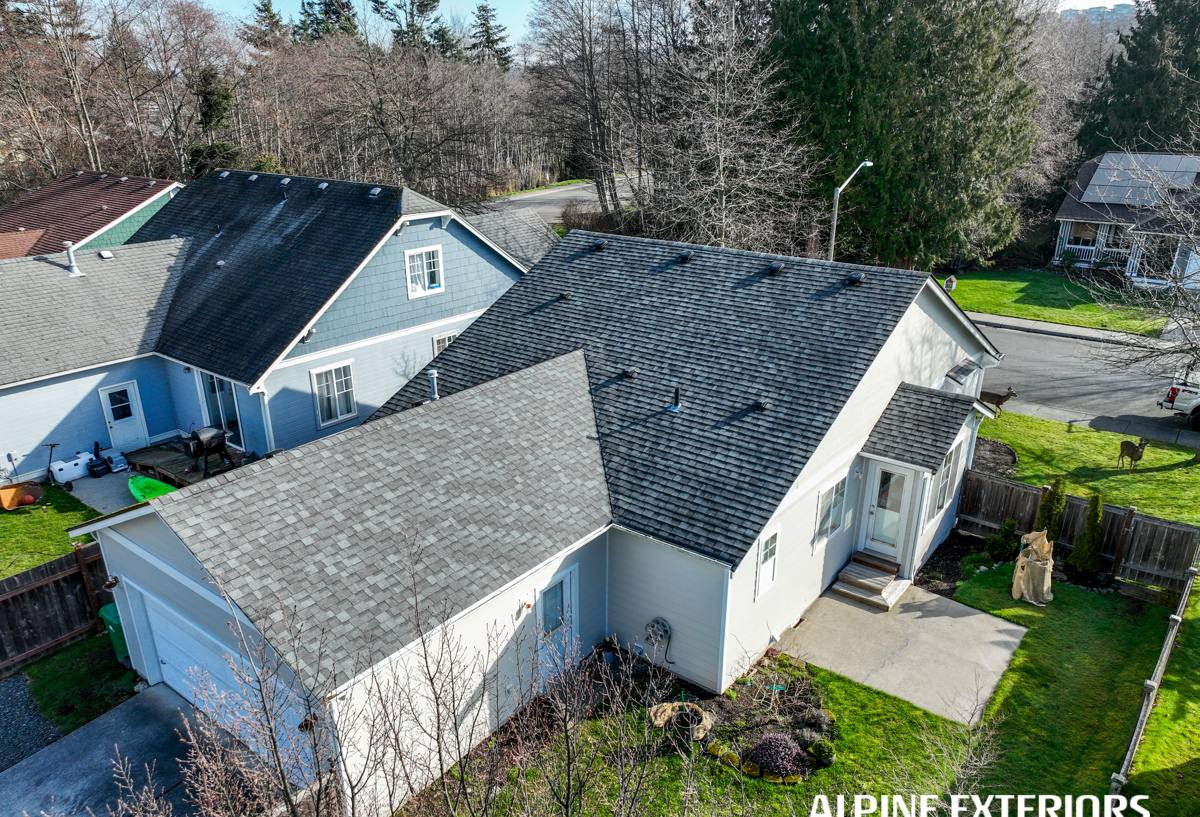
Why Coquina Key's Location Puts Extra Stress on a Roof
Salt Air and Metal Fasteners
Roofs close to Tampa Bay and the surrounding waterways are exposed to airborne salt more consistently than roofs further inland. Salt accelerates corrosion on exposed metal — nail heads, flashing, and vent stacks — long before it does visible damage to the shingles themselves. A roof can look fine from the ground while its flashing and fasteners are quietly corroding underneath.
Year-Round UV Exposure
Florida sun doesn't take a season off. Asphalt shingles rely on their granule coating to block UV and protect the asphalt layer underneath. Constant, intense sun exposure breaks that coating down faster here than in most parts of the country, which is why manufacturers rate shingles differently for coastal Florida installs and why the underlying materials matter more than the color or style you pick.
Wind-Driven Rain
During storms, rain in this area rarely falls straight down — it comes in sideways, driven by wind off the water. That matters because a shingle roof isn't just blocking rain from above; it has to resist water being pushed sideways and even slightly upward under the shingle edges. This is where underlayment, sealing strips, and proper nailing pattern become the difference between a roof that sheds water and one that lets it in.
Hurricane-Force Wind Loads
Pinellas County building code reflects the real risk of hurricane-force winds, and a roof this close to the coast needs every layer — deck attachment, underlayment, shingle fastening — working together to meet that standard. A roof that technically "passes" with the minimum nail count is a very different product from one installed to actually perform in a named storm.
What a Correct Asphalt Shingle Job Involves
Asphalt shingle roofing looks simple from the street, but the parts you can't see are what determine whether it holds up. A correct installation includes:
- Deck inspection and repair — any soft, delaminated, or water-damaged decking gets replaced before a single shingle goes down. Shingles nailed over a compromised deck won't hold fasteners properly, no matter how good the shingle is.
- Proper underlayment — a synthetic or felt underlayment layer, with self-adhering waterproof membrane at vulnerable areas like valleys, eaves, and around penetrations, gives the roof a second line of defense if wind-driven rain gets under a shingle edge.
- Drip edge at eaves and rakes — this metal edging directs water away from the fascia and deck edge instead of letting it wick back underneath the roofing system.
- Correct nailing pattern — the right number of nails, placed in the manufacturer's nailing zone, is what gives a shingle roof its actual wind rating. This is one of the most commonly rushed steps on lower-quality installs.
- Flashing at every penetration and transition — chimneys, vent stacks, skylights, and roof-to-wall junctions all need properly formed and sealed flashing, not just roofing cement smeared over a gap.
- Ridge cap and ventilation — proper attic ventilation keeps shingles from baking from underneath, which extends their life and helps control indoor cooling costs in Florida's heat.
Signs Your Coquina Key Roof Needs Attention
Given the local conditions, we recommend homeowners in this area watch for these signs rather than waiting for an obvious leak:
- Granules collecting in gutters or at the base of downspouts
- Shingle edges that look curled, cupped, or lifted rather than lying flat
- Dark streaking or staining across the roof surface
- Visible rust on flashing, vent caps, or exposed fasteners
- Soft spots or sagging when viewed from the ground or attic
- Missing shingles or exposed nail heads after a storm
- Water stains on interior ceilings, especially near exterior walls or chimneys
Any one of these on its own isn't necessarily an emergency, but in a salt-air, high-UV environment they tend to compound faster than homeowners expect.
Repair, Partial Replacement, or Full Re-Roof: How We Decide
Not every roofing problem calls for a full tear-off, and we don't default to recommending one. The right call depends on the roof's age, the extent of damage, and whether the underlying deck and flashing are still sound.
| Situation | Typical Approach | Why |
|---|---|---|
| Isolated storm damage on a roof under 10 years old | Targeted repair | Deck and underlayment are likely still in good shape; matching shingles are usually available |
| Widespread granule loss, curling shingles, roof 15+ years old | Full replacement | The roofing system as a whole is past its effective service life, even if there's no active leak yet |
| Leak at a single penetration (vent, skylight, chimney) | Flashing repair | Often a flashing or sealant failure, not a shingle failure — cheaper and faster to fix at the source |
| Soft decking found during inspection | Deck repair + re-roof of affected section or full replacement | Shingles can't be warrantied or properly fastened over compromised decking |
We'll tell you honestly which category your roof falls into, including when a repair is the right call even though a full replacement would be the bigger job for us.
Our Process for Coquina Key Homeowners
1. On-Site Inspection
We walk the roof (or use a drone where a walk-on inspection isn't practical) and check the attic from inside, looking at decking, ventilation, and any signs of past leaks. Given the coastal exposure in this area, we pay particular attention to flashing condition and fastener corrosion, not just the shingle surface.
2. Straight Explanation, No Pressure
We explain what we found, what it means, and what the realistic options are — including doing nothing yet, if that's genuinely the right call. You'll get a written scope so you know exactly what's included before any work starts.
3. Material Selection
We'll talk through shingle options suited to coastal Florida conditions — architectural versus three-tab, algae-resistant granules, and wind ratings that make sense for a home this close to the water — without pushing you toward the most expensive option by default.
4. The Install
Deck repair as needed, proper underlayment and flashing, correct nailing, and a clean tear-off and haul-away. We protect landscaping and property during the job and do a final walk-through with you before we consider it done.
5. Follow-Up
Roofing problems in this climate don't always show up immediately. We stand behind our workmanship and are reachable after the job is finished if something needs a second look.
Why Local Experience in Coquina Key Matters
A roofing crew that regularly works this part of St. Petersburg already understands the exposure profile of homes here — the salt air, the wind patterns off the water, and how Pinellas County's coastal wind requirements apply in practice, not just on paper. That familiarity shows up in small decisions during an install: which flashing details get extra attention, where corrosion is most likely to start, and which materials hold up versus which ones look fine on a spec sheet but underperform near saltwater.
It also matters for response time. When a storm rolls through Tampa Bay, having a contractor who already knows your neighborhood and can get to it quickly makes a real difference in preventing minor damage from turning into a bigger interior problem.
Maintaining Your Roof Between Services
A little regular attention extends the life of any asphalt shingle roof, especially in this environment:
- Keep gutters and downspouts clear so water isn't backing up under the roof edge
- Trim overhanging branches that drop debris or hold moisture against the roof
- Have the roof checked after any major storm, even if you don't see obvious damage from the ground
- Rinse off heavy debris or organic buildup periodically rather than letting it sit and hold moisture
- Schedule a professional inspection every couple of years, especially once the roof passes the 10-year mark
Get a Straight Answer About Your Roof
If you're dealing with visible damage, an aging roof, or you just want an honest read on where things stand, we're glad to come take a look. There's no pressure and no pushy sales pitch — just a clear inspection and straight answers about what your Coquina Key home actually needs. Fill out the form below to schedule a free estimate.